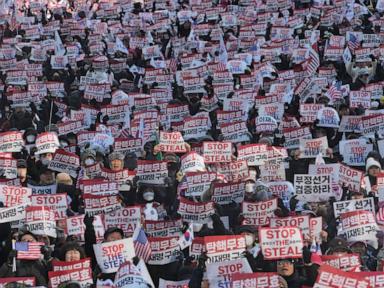
South Korea just took a massive gamble on the future of free speech. On Tuesday, a controversial South Korean law targeting fake news takes effect, handing courts and regulators unprecedented powers to penalize media outlets, YouTubers, and everyday internet users. While the government claims it's protecting democracy from toxic disinformation, the reality looks much darker. What we're actually seeing is the construction of a legal weapon that could easily silence legitimate journalism and political dissent.
If you think this only applies to professional journalists or radical political channels, you're mistaken. The rules are shockingly broad. Anyone making online content can get caught in the crosshairs. It changes how information flows in one of Asia's most digitally connected societies.
The Reality Behind South Korea New Fake News Law
The updated Information and Communications Network Act introduces punitive damages that should make any content creator sweat. If a court finds that a news outlet or an influencer deliberately spread false or manipulated information to cause harm or make a profit, judges can award damages up to five times the proven losses.
It gets worse for repeat offenders. Anyone who distributes information more than twice after a court confirms it's false can face a fine of up to 1 billion won from the country's media regulator. That amounts to roughly $656,000. For an independent journalist or a mid-sized YouTube creator, a single fine like that means instant bankruptcy.
The law targets major online information producers very specifically. If you have over 100,000 subscribers or pull in an average of 100,000 monthly views, you're on the hook. It doesn't stop at political commentary either. The text covers viral videos, parenting forums, delivery app reviews, and e-commerce comments. A nasty one-star review on a restaurant app could technically trigger a legal nightmare if the business claims it's malicious and fabricated.
Why Tech Platforms Are About to Become Corporate Censors
Instead of policing the internet itself, the government is forcing big tech to do the dirty work. Platforms with more than 1 million daily active users must operate aggressive reporting and monitoring systems. Companies like Naver, Kakao, Google, and Meta have to suspend user accounts or scrub content the moment they receive reports of fake or fabricated information.
Think about the incentives here. If you're a platform operator facing heavy corporate surcharges or personal criminal liability for your CEO, what do you do? You don't spend days carefully investigating the truth. You hit delete. It's the safest business decision.
Critics and legal scholars point out that this sets up a terrible dynamic. Online companies will adopt overly aggressive moderation policies just to protect their bottom line. If a powerful politician or a massive conglomerate complains about a critical investigative post, the platform will likely pull it down immediately rather than risk multi-million dollar legal fights.
The Dangerous Political Backstory
The political climate that birthed this law explains why it's so dangerous. President Lee Jae Myung's liberal Democratic Party pushed this bill through the National Assembly back in December, despite a fierce boycott from conservative opposition lawmakers. The push intensified after the chaotic events of late 2024, when then-President Yoon Suk Yeol briefly declared martial law before being impeached and removed.
The liberals argue that the law protects democracy from deep polarization. They say fake news fuels hate speech and division. That might sound noble on paper, but the Journalists Association of Korea and four other major media groups see right through it. They issued stark warnings about an unavoidable chilling effect. When the state gets to decide what constitutes a fact, public scrutiny evaporates.
International observers are equally alarmed. U.S. Under Secretary of State Sarah B. Rogers openly criticized the move on social media, noting that giving regulators an invasive license for viewpoint censorship endangers international tech cooperation.
How Creators and Citizens Can Navigate the New Legal Terrain
You can't just ignore these developments if you publish anything online in South Korea. The environment has fundamentally changed, and survival requires a shift in how you handle digital content.
First, double-source everything you post. If you run a YouTube channel or blog discussing public figures, corporations, or current events, relying on a single rumor or an unverified forum post is now a massive liability. Keep a clean paper trail of your research and documentation to prove you lacked intent to harm if someone challenges your content.
Second, understand your platform's appeal processes. Since local giants like Naver and Kakao are relying on groups like the Korea Internet Self-Governance Organization to handle disputes, learn how to file counter-notices immediately if your legitimate commentary gets flagged or deleted by an automated corporate system.
The era of casual, aggressive online commentary in South Korea is effectively over. The threat of a five-fold penalty means caution will rule the day, transforming the vibrant Korean internet into a much quieter, more sanitized space.