Ukrainian President Volodymyr Zelenskyy wants South Korea's advanced air defense equipment. He wants it badly. As Russian strikes batter Ukrainian cities and reports swirl of tens of thousands of North Korean troops deploying to Russian territory, Kyiv is pressing Seoul harder than ever.
Yet, South Korea's government is standing its ground. Seoul continues to refuse direct shipments of lethal weapons or sophisticated anti-missile shields, citing strict domestic laws and a very delicate geopolitical tightrope.
What is driving this standoff? It is a mix of constitutional limitations, manufacturing bottlenecks, and profound anxiety over what Moscow might give Pyongyang in return.
The Core Request and Seoul's Stance
Kyiv's primary target is South Korea's defense technology, specifically systems capable of intercepting incoming missiles and aerial threats. Zelenskyy has argued that closer defense cooperation makes sense because North Korea is actively gaining modern combat experience alongside Russian forces. According to Ukrainian estimates, Pyongyang could send anywhere from 30,000 to 50,000 additional troops to support Moscow's war effort.
From Kyiv's perspective, this creates a shared threat matrix. North Korean soldiers are learning how modern warfare works firsthand, and they will bring those lessons back to the Korean Peninsula. Zelenskyy has pointed out that while South Korea faces legal hurdles regarding exporting weapons to active conflict zones, diplomatic backchannels remain open.
Seoul sees things differently. Foreign Ministry officials repeatedly emphasize that any provision of defense materials must strictly comply with domestic laws and existing policies. South Korea has happily sent humanitarian aid, medical supplies, energy equipment, and educational support, but it draws a hard line at weapons of war.
Why Manufacturing Capacity Limits Seoul
Even if political leaders in Seoul woke up tomorrow and decided to empty their arsenals for Ukraine, physics and factory floors would get in the way. South Korea's defense manufacturing sector is booming, but it is stretched thin.
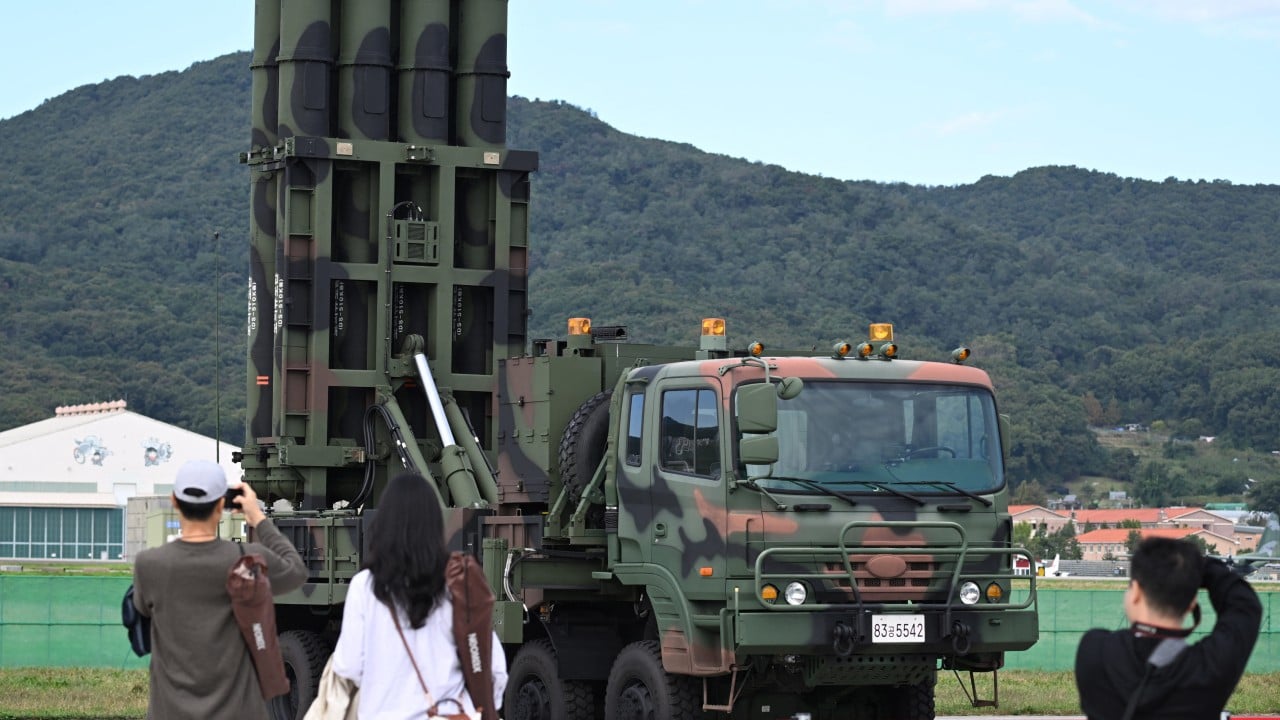
Defense experts point out that major systems like the Cheongung-II (KM-SAM II) anti-ballistic missile batteries are already earmarked for existing export contracts with Middle Eastern buyers. Production lines cannot scale up overnight. Diverting complex air defense hardware to Eastern Europe would mean breaking delivery promises to other international clients or running down South Korea's own domestic defensive readiness at a time when the threat from Pyongyang remains elevated.
The Russia Factor and Regional Security
The geopolitical calculus for Seoul is brutal. For decades, South Korea managed to maintain a relatively functional, if chilly, relationship with Moscow. That diplomatic balance shattered when Seoul aligned with international sanctions following the 2022 invasion of Ukraine.
Since then, Russia and North Korea have signed a comprehensive strategic partnership treaty, effectively reviving a Cold War-style mutual defense pact. Moscow is receiving thousands of North Korean combat troops and millions of artillery shells. In exchange, Seoul worries that Vladimir Putin is handing over sensitive aerospace, satellite, and missile technology to Kim Jong Un.
If South Korea crosses the Rubicon and starts shipping air defense batteries directly to Ukraine, Moscow could retaliate by accelerating North Korea's nuclear and ballistic missile programs in ways that directly threaten Seoul. South Korean leaders have to weigh a war thousands of miles away against the immediate safety of Seoul's metropolitan area, which sits well within range of conventional North Korean artillery and rockets.
What Happens Next
Ukraine will likely keep asking. The battlefield deficit in air defense interceptors is too severe for Kyiv to stop lobbying wealthy democratic nations.
At the same time, expect South Korea to stick to its dual-track approach. Seoul will condemn the deepening military axis between Pyongyang and Moscow, express diplomatic sympathy for Ukraine, and perhaps quietly increase non-lethal and financial reconstruction assistance. But when it comes to sophisticated missile defense hardware, Seoul's answer remains a polite, firm no.
Check your local foreign policy updates and track defense export announcements to see how these Asian-European security lines shift over the coming months.