Geopolitics in East Asia is shifting, and the traditional playbook is being tossed out the window. If you look at what’s happening in Seoul, it’s clear the government is making a calculated pivot. They aren't just reacting to Washington; they’re actively courting Beijing. This shift isn't accidental. It’s a direct response to the unpredictability emanating from the United States and the changing tone between the White House and Pyongyang.
Basically, Seoul is trying to survive in a neighborhood that’s becoming increasingly volatile.
The Trump Kim Dynamic and Seoul’s Dilemma
When the US President signals a desire for warmer ties with North Korean leader Kim Jong Un, the security calculus for South Korea changes overnight. For decades, the alliance between the US and South Korea was the bedrock of stability. It was simple. You had joint military exercises, you had a shared defense strategy, and you had a clear line on how to handle North Korean aggression.
That line is now blurry.
When Washington decides to scale back joint military drills—a move often framed as a gesture of goodwill toward Pyongyang—Seoul is left holding the bag. These exercises, which historically involved tens of thousands of troops, weren't just for show. They were a signal of commitment. By thinning them out, the US is inadvertently signaling that its priorities have shifted, perhaps toward other global conflicts like the war with Iran.
South Korea sees this. They’re adjusting accordingly. They can no longer assume that US military posture will remain a constant, especially when the White House appears to be chasing a breakthrough with the North on its own terms.
Why China is the New Focal Point
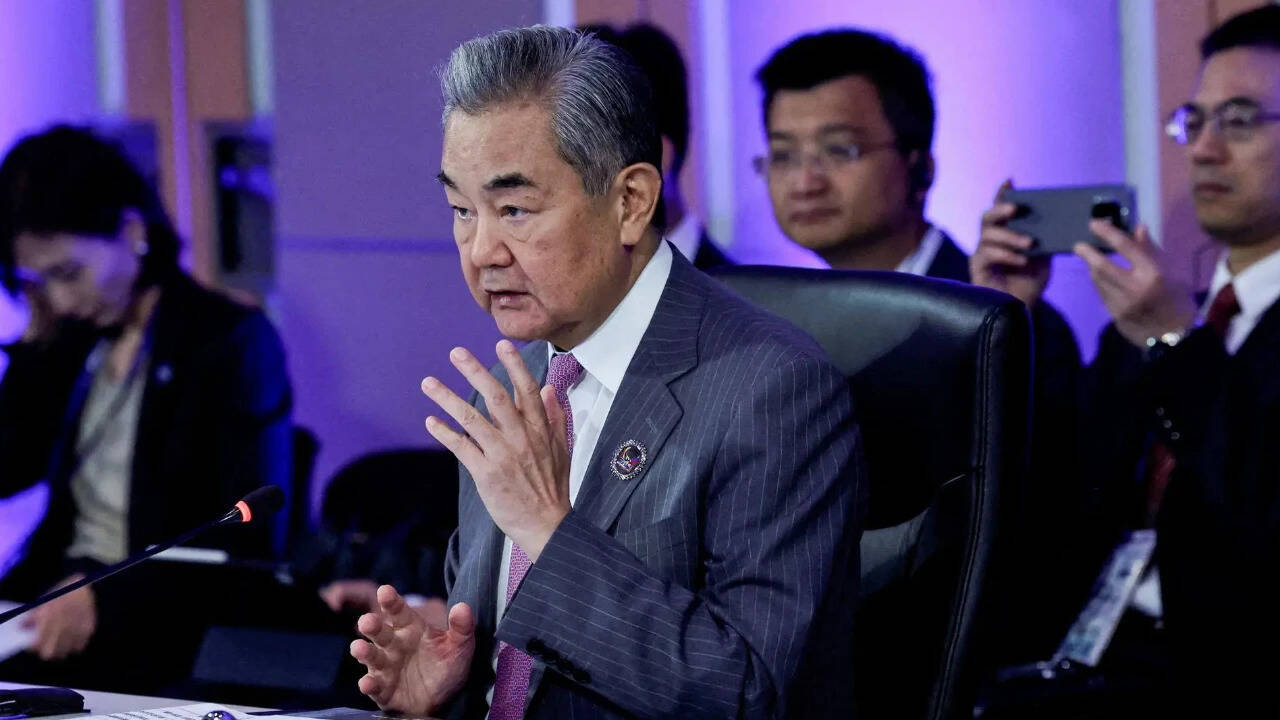
Beijing understands the vacancy left by this shift perfectly. Chinese Foreign Minister Wang Yi’s recent visit to Seoul wasn't just a routine diplomatic stop. It was a strategic opening.
China is North Korea’s only formal treaty ally, which gives Beijing leverage that the US simply doesn't have. When Wang Yi calls for a "hostile policy" to end, he’s speaking to a South Korean leadership that is increasingly receptive to the idea that the only way to manage the Korean Peninsula is through regional coordination, not just reliance on Washington.
Seoul is now actively pursuing a summit between President Lee Jae Myung and Chinese President Xi Jinping. This isn't just about trade or economics. It's about security insurance. South Korea is betting that if the US decides to walk away or cut a deal that leaves Seoul vulnerable, Beijing might be the only other player capable of keeping the peace.
The Myth of the Steady Alliance
Most observers assume that the South Korea-US alliance is permanent and unbreakable. That’s a dangerous assumption. In reality, alliances are only as strong as their shared interests at any given moment. When those interests diverge—which is exactly what’s happening—the weaker partner has to adapt.
Seoul is currently performing a high-wire act. They want to keep the US close, but they can't afford to be the last one left standing if a new deal between Trump and Kim alters the status quo.
If you’re paying attention, you’ll notice the shift in rhetoric. Seoul isn't just talking about military readiness anymore. They’re talking about "peace and coexistence" and multilateral talks involving the original parties of the 1950-53 conflict. They are trying to build a diplomatic safety net that doesn't rely entirely on the whims of a US administration that seems ready to pivot at a moment's notice.
Moving Forward
If you want to understand where this is heading, keep an eye on the upcoming APEC summit in Shenzhen. If a meeting between Lee and Xi happens, it marks a significant realignment in Asian power dynamics.
- Watch the rhetoric regarding military drills. Any further scaling back of joint exercises will likely be met with even warmer overtures toward Beijing from Seoul.
- Monitor the multilateral talk proposals. If Seoul pushes harder for a non-US-centric framework for peace on the peninsula, it’s a sign that their patience with Washington’s unpredictability is running thin.
- Pay attention to economic trade deals. China is South Korea’s most important neighbor, and economic integration is often the precursor to deeper security cooperation.
The days of assuming the status quo will hold are over. Seoul is betting on its neighbors because it can no longer afford to gamble on a shifting friendship across the Pacific. It's a pragmatic, cold-eyed move. Honestly, it’s exactly what any country in their position would do.