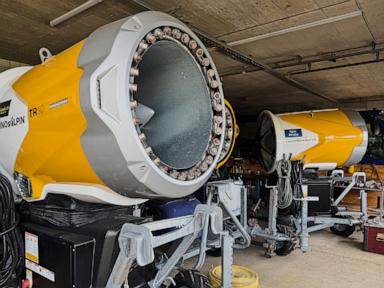
Ski resorts face a brutal reality check. Winters are getting shorter, natural snowfall is shrinking, and mid-altitude mountains bake under intense summer heat. To survive, ski operators spent decades building massive artificial snow networks. Now, those exact billion-dollar water systems might save the Alps from burning.
Think about what sits underneath a modern ski slope. It is not just empty dirt. Resorts like Adelboden-Lenk in Switzerland feature extensive networks of buried pipes, high-pressure pumps, and high-altitude water reservoirs that collect melting snow and seasonal rain. During winter, this infrastructure feeds hundreds of snow cannons to cover miles of trails. During summer, resort operators and local firefighters realize that same hidden plumbing can serve as a frontline defense against surging wildfire risks. You might also find this related coverage interesting: Why Winning A Seat Against Count Binface Won't Save Nigel Farage From His Scandals.
The Hidden Power Grid Beneath the Slopes
When people picture ski resort snowmaking, they picture noisy white towers blowing mist into freezing air. That is only the surface. The real asset lies underground.
Take the Adelboden-Lenk area as a practical example. Its network connects roughly 210 snow cannons and 50 snow lances through dozens of kilometers of hidden water pipes. Jürg Klopfenstein, who manages snow operations at the resort, points out that while snow cannons themselves have limited utility for direct fire suppression, the supporting network is an absolute game-saver for emergency crews. As highlighted in detailed coverage by USA Today, the results are significant.
Firefighters can tap straight into the underground hydrants. Local reservoirs provide an immediate, high-volume water source for firefighting helicopters to scoop up and drop onto burning timber. Instead of hauling water up steep, winding mountain roads in tanker trucks, emergency services gain instant access to millions of gallons of strategically positioned water.
Why Alpine Wildfires Are Changing the Game
Switzerland and the broader Alpine region used to consider major wildfires a problem exclusive to southern Europe. Not anymore. Rising temperatures, prolonged dry spells, and dwindling soil moisture have pushed wildfire danger deep into regions that used to stay wet year-round.
Stefan Buchs, operations manager at Adelboden-Lenk, notes that spring dry spells are becoming a serious hazard. Even though Alpine vegetation and soil composition differ from the tinderbox brush found in Mediterranean countries, widespread forest fires are now a genuine threat.
Local leaders know they cannot rely on past weather patterns. Willy Schranz, the mayor of Adelboden, puts it bluntly: mountain communities must prepare because severe summer heatwaves are here to stay.
What Snowmaking Can and Cannot Do
Let's clear up some hype. Resort infrastructure will not magically bulletproof an entire mountain range. Critics, including environmental experts from organizations like Greenpeace, warn against viewing snow cannons as a permanent fix for systemic climate shifts.
Nathan Solothurnmann points out that while temporary watering systems help buy time, they cannot reverse the larger ecological pressures facing the Alps. Furthermore, not every ski resort has miles of buried steel pipes ready to be repurposed. Many smaller hills rely on mobile tanks or surface water sources that offer zero help when a forest catches fire miles away from the main lodge.
Even so, for resorts that do possess heavy-duty artificial snow infrastructure, the tactical benefits are hard to ignore.
Key Defense Capabilities
- Wet Buffer Zones: Operators can target strategic sectors to soak dry grass and timber, creating moisture barriers that slow down an advancing flame front.
- Rapid Air Support Refills: High-capacity mountain reservoirs allow firefighting helicopters to execute quick turnaround cycles without flying down to distant valley lakes.
- Infrastructure Protection: Fixed systems can douse resort buildings, chairlift stations, and access roads to keep evacuation routes open.
What Happens Next
Mountain tourism has evolved past single-season operations. Summer brings thousands of hikers, mountain bikers, and paragliders into the exact same alpine zones where winter sports take place. Protecting those visitors means treating ski resorts as year-round emergency outposts.
If you manage property, run local emergency services, or recreate in the mountains, expect to see tighter integration between municipal fire departments and private ski resort operators. Mountain infrastructure is getting a dual purpose. When the snow melts, the hoses stay on.