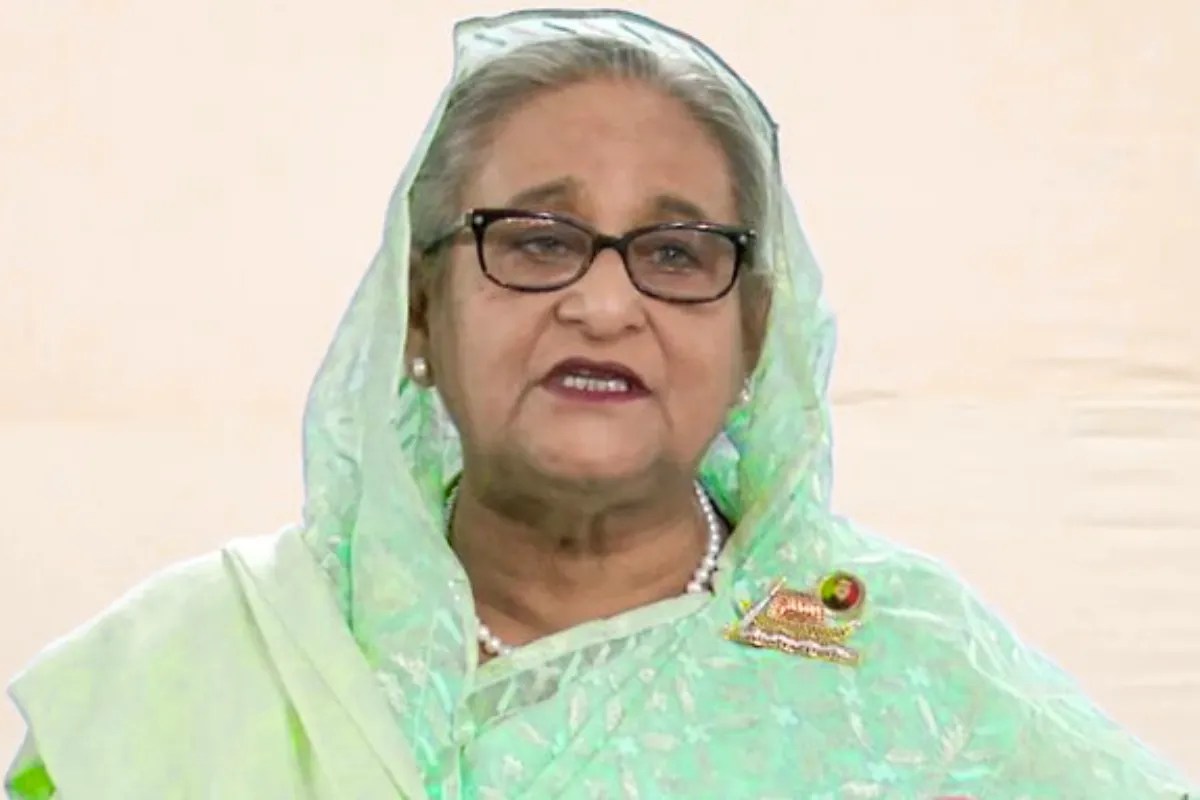
Exiled leaders rarely stay quiet for long, but former Bangladesh Prime Minister Sheikh Hasina just threw a massive wrench into South Asian geopolitics. By announcing plans to return home this coming December, she's effectively dared the current establishment in Dhaka to arrest her.
If you think her dramatic ouster in August 2024 wrote the final chapter of her political career, you're missing the bigger picture. Her declaration from New Delhi has instantly reignited a volatile debate across the country: will she face a prison cell the moment she lands, or is this the start of an aggressive push to revive the Awami League?
The December Timeline And Why It Stirs History
Hasina picked December very intentionally. It marks Bangladesh's victory month, commemorating the 1971 liberation war. During a virtual media interaction hosted at the Foreign Correspondents' Club in New Delhi, she stated that personal safety is no longer part of her calculations.
She knows the risks. Courts in Dhaka have pursued aggressive legal actions against her following the July uprising, and the interim or newly formed political structures view her legacy through a harsh lens. Yet, her strategy is clear. She wants to frame her return around popular suffering rather than a desperate grab for power.
Critics and political opponents aren't buying the altruism. The response from Dhaka's political heavyweights was swift and unforgiving.
How Dhaka Reacted To The Challenge
The ruling establishment and rival factions didn't mince words. Senior figures within the Bangladesh Nationalist Party (BNP) and other prominent groups pointed straight to pending legal verdicts. BNP leaders publicly questioned why she needs to wait until December if her resolve is so absolute, challenging her to face the judicial system immediately.
Meanwhile, student-led political formations that spearheaded the 2024 uprising took an even harder line, arguing that any arrival should lead directly to the enforcement of existing court judgments.
The Bangladesh Foreign Ministry also voiced deep frustration, criticizing the platform provided for her address in India and describing the move as an inflammatory gesture against the state.
What This Means For Regional Stability
India finds itself caught in a delicate diplomatic balancing act. New Delhi has extended hospitality to Hasina since her departure, viewing her as a long-standing partner, while simultaneously trying to maintain stable, pragmatic state-to-state relations with the new government in Dhaka.
When a former prime minister in exile declares an intent to stage a high-stakes homecoming, it forces every regional player to recalculate their position. For the Awami League's grassroots supporters, who have faced intense political pressure and bans, the December horizon gives them a focal point to reorganize. For her opponents, it serves as a rallying cry to close ranks.
Expect the political temperature in Dhaka to rise steadily over the next few months as everyone waits to see if she actually boards that flight.
Watch this video for more details on Sheikh Hasina's return announcement
This video provides additional context regarding former Prime Minister Sheikh Hasina's declared timeline to return to Bangladesh and the diplomatic reactions it triggered.
http://googleusercontent.com/youtube_content/1