The Illusion of a Simple Comeback
Father Time is undefeated, but Serena Williams just forced him into a deciding set.
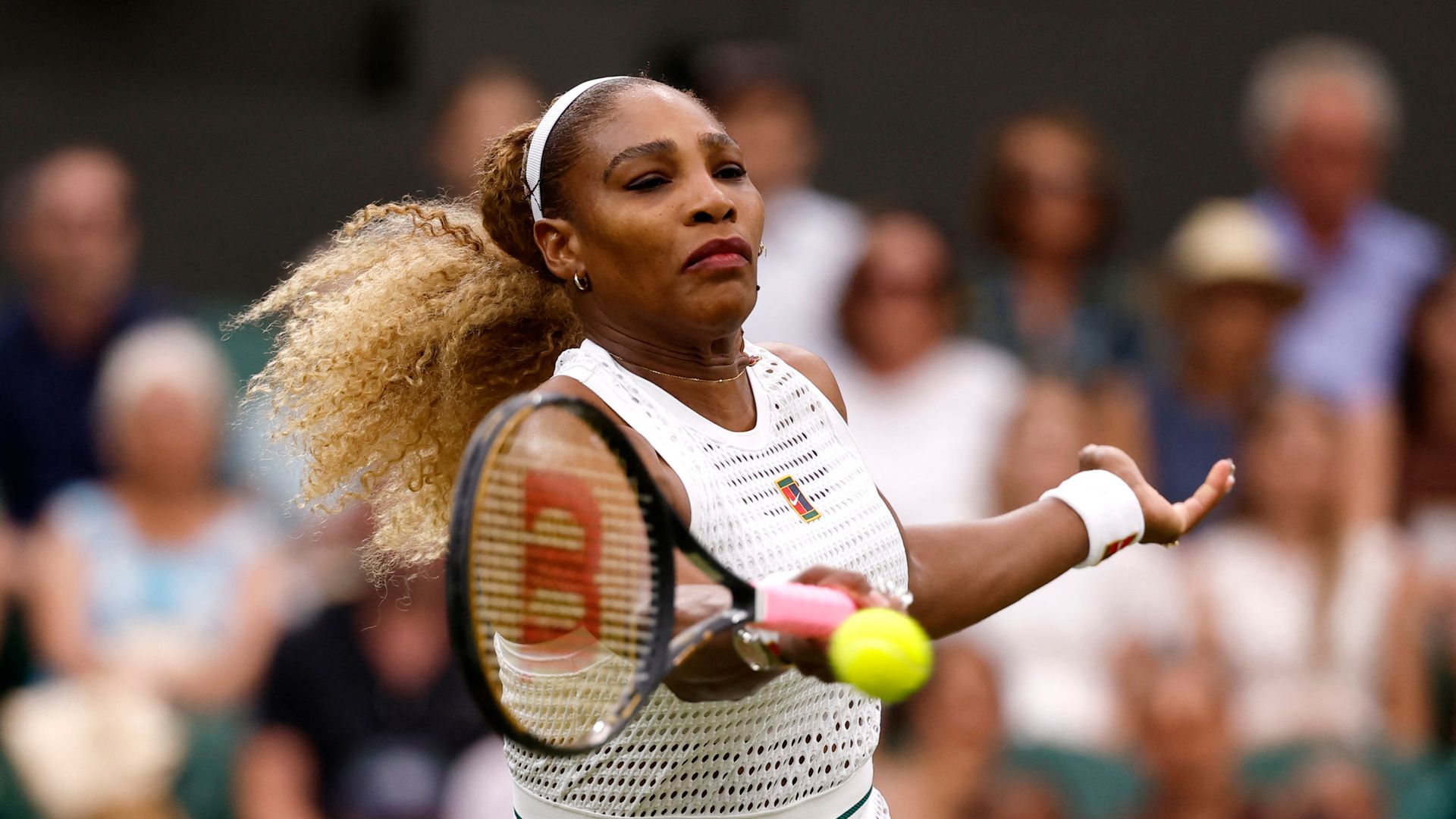
When a 44-year-old icon steps onto Centre Court after nearly four years away from the professional singles grind, logic says she should get blown off the grass. Instead, the crowd got a classic, nerve-shredding three-set drama.
Yes, Serena lost her first-round match on her return to the All England Club, falling 6-3, 6-7, 6-3 to Australia’s Maya Joint. But treating this match like a failure completely misses the point of why she came back.
Many fans expected either vintage dominance or a quick, embarrassing exit. The reality sat comfortably in the middle. It was a gritty, highly respectable showing from a 23-time Grand Slam champion who simply ran out of competitive steam against an athlete half her age.
Cracking the Numbers on Centre Court
To understand how close this match actually was, you have to look past the final scoreline. This wasn't a charity exhibition; it was a physical battle.
Serena clubbed seven aces and served with speeds clicking past 120 mph, proving her raw power hasn't gone anywhere. She won 13 games overall and managed to save her match in a tense second-set tiebreaker, winning it 8-6 after hunting down Joint’s breaks.
The real issue lay in the long rallies and rust. Serena converted only three of her 11 breakpoint opportunities. She hit seven double faults, often struggling to find consistency on her second serve. Joint, a 20-year-old former University of Texas standout, took advantage by winning 53% of both her first and second-serve return points, eventually wearing the legend down in the third set.
What the Box Score Doesn't Show
If you watched Serena's last major singles appearance before her temporary departure—a grueling first-round loss to France's Harmony Tan in 2022—the contrast on Tuesday was night and day. Against Tan, Serena looked sluggish, weighed down by injury and lacking lateral movement.
Against Joint, the movement was significantly sharper. She anticipated deep groundstrokes well and fought back from two breaks down in the second set. The instincts are still there. The timing on second-serve returns, however, wasn't. Serena routinely missed balls into the middle of the court, giving Joint easy resets.
It’s easy to blame age, but the true culprit was a lack of match play. You can train in private for months, but nothing replicates the suffocating pressure of a packed Centre Court with a target on your back. Joint handled that pressure beautifully, despite staying up until 2:00 AM the night before thinking about the monumental task ahead of her.
Managing Your Expectations for What Comes Next
Don't close the book on London just yet. Serena isn't packing her bags for home immediately. She is scheduled to play in the Wimbledon doubles draw alongside her sister, Venus.
Their combined age is 90. It’s an unbelievable milestone for modern tennis, and frankly, a masterclass in athletic longevity.
If you are expecting Serena to suddenly launch a full-time campaign to break Margaret Court’s all-time singles record, it's time to recalibrate. This comeback looks much more like a personal challenge, a fun detour, and a chance for her children to watch her compete at an age where they can truly comprehend her legacy.
Your Next Steps to Follow the Action
If you want to keep up with the rest of the tournament and see how the Williams sisters fare, here is what you need to do right now.
- Check the doubles schedule: Keep an eye on the official Wimbledon order of play for the upcoming Williams-Williams doubles match.
- Track Maya Joint: Follow the 20-year-old Australian’s second-round match to see if she can leverage this career-defining win into a deeper tournament run.
- Adjust your tennis viewing habits: Focus on the narrative of longevity rather than strict win-loss columns. Modern sports science is pushing players further into their 40s than ever before, and we are witnessing the blueprint in real time.


