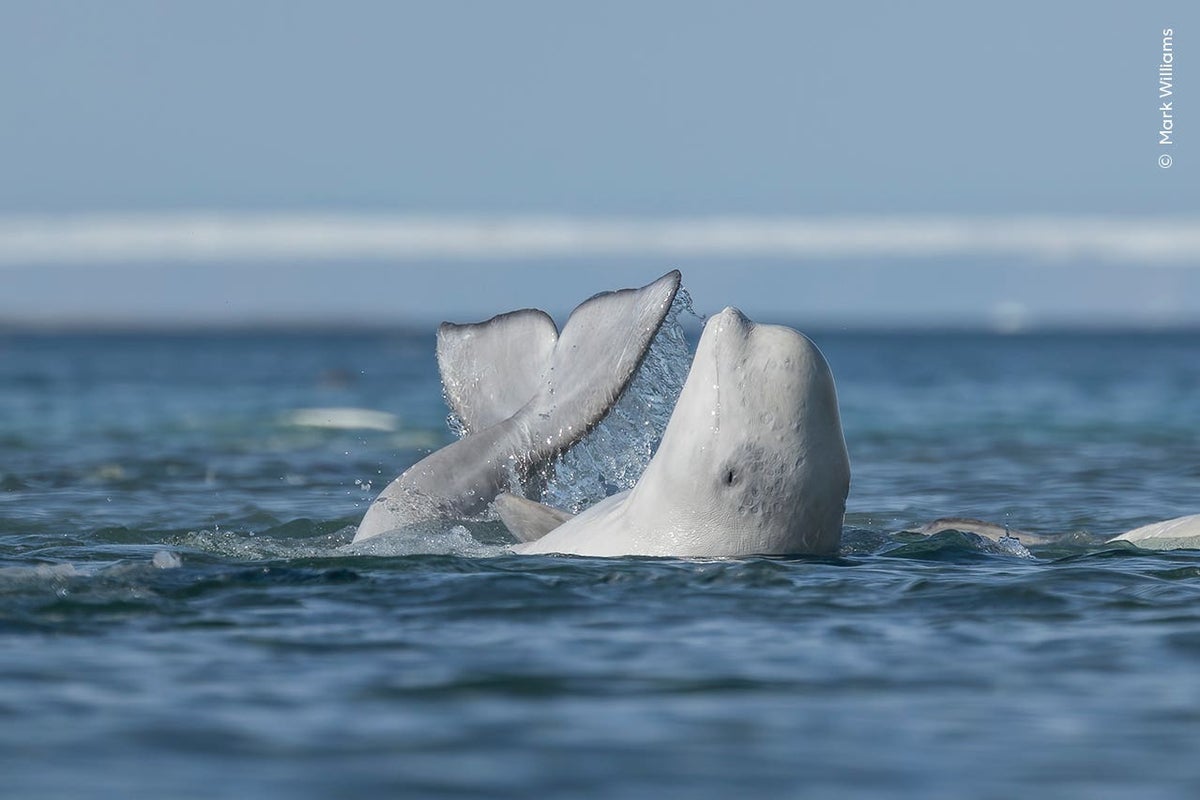
Thirty beluga whales were trapped inside a bankrupt, deteriorating Canadian amusement park with a grim ultimatum hanging over their heads. Either someone takes them, or they get euthanized. That was the stark reality at Marineland, a shuttered theme park in Niagara Falls, Ontario. The situation became so dire that it triggered an international emergency operation. The SeaWorld rescue of 30 whales has officially been authorized by federal agencies, setting off what experts call the largest and most complex marine mammal relocation in history.
The public often views these moves through a simple lens. Some see a heroic rescue. Others see corporate aquariums grabbing more animals for profit. The truth is far more complicated, messy, and urgent than a quick headline can capture. This is not a standard transfer of animals between zoos. It is a desperate salvage mission born from years of corporate neglect, political gridlock, and legal battles that left dozens of highly social, intelligent Arctic mammals stranded in decaying concrete tanks.
To understand why a consortium of American marine parks had to step in, you have to look at how close these animals came to a mass culling.
The Looming Threat of Euthanasia at a Closed Theme Park
Marineland ceased traditional operations in 2024. The park was financially ruined after its long-time owner died. For decades, the facility had been a lightning rod for animal rights protests. Between 2019 and 2024, internal records showed that 20 whales died within its walls. That includes 19 belugas and the park’s last killer whale, Kiska.
When the gates closed for good, the bills did not stop. Keeping 30 belugas and four dolphins alive requires immense resources. You need specialized water filtration. You need tons of restaurant-quality seafood every single day. You need around-the-clock veterinary staff. Marineland flatly told the Canadian government that it was out of money.
The park management delivered a brutal warning to federal officials. If export permits were not approved quickly, they would euthanize the entire population. They claimed they simply could not afford to keep the pumps running or the animals fed. Animal welfare lawyers called it blackmail. The government saw it as a looming catastrophe.
How the Legal Battle Left 30 Beluga Whales Stranded
The crisis deepened because of a well-intentioned law passed by the Canadian parliament in 2019. Senate Bill S-203 effectively banned the captivity, breeding, and entertainment use of whales and dolphins nationwide. The law grandfathered in the animals already at Marineland but made it illegal to breed them or use them in theatrical performances.
Marineland tried to offload its massive whale population to Chimelong Ocean Kingdom, a massive marine park in China. The Canadian fisheries minister blocked that deal. The government pointed out that exporting the whales to a park known for performance shows violated the spirit of Canada's anti-captivity laws.
That created a complete deadlock. Marineland could not keep them. They could not sell them to China. No other Canadian facility had the space or infrastructure to house 30 arctic whales. The animals languished in deteriorating conditions while bureaucrats debated paperwork.
The breakthrough came when the United States National Oceanic and Atmospheric Administration (NOAA) stepped in. Under Section 109(h) of the Marine Mammal Protection Act, the US government authorized an emergency rescue. This specific legal tool bypasses standard, lengthy import processes when an animal's life is in immediate jeopardy. With the US clearing the path and Canada finally granting export permits, a coalition led by the Association of Zoos and Aquariums (AZA) moved into action.
The Logistic Nightmare of Shifting 30 Belugas Across Borders
Moving a single whale is an elite logistics operation. Moving 30 is unprecedented. You cannot just put them on a truck and drive across the border.
The division of the animals highlights the massive scale of the effort:
- SeaWorld San Antonio is taking 13 belugas.
- Shedd Aquarium in Chicago is taking 10 belugas.
- SeaWorld San Diego is taking 3 belugas.
- Georgia Aquarium in Atlanta is taking 2 belugas.
- Oceanogràfic Valencia in Spain is taking 2 belugas.
Mystic Aquarium in Connecticut is lending its expert logistics teams but will not house any animals this time. Five years ago, Mystic took five belugas from Marineland; three of them died shortly after arrival due to pre-existing chronic health conditions. That failure looms heavy over this new mission.
The physical transfer will take months. Right now, advanced veterinary teams from SeaWorld and Shedd Aquarium are on the ground in Ontario. Every single whale must undergo blood tests, physical exams, and blowhole cultures. If a whale is suffering from an active, severe infection, the stress of a flight could kill it. They will only travel once cleared by Canadian government vets.
The actual transit requires specialized shipping containers filled with cold water and lined with custom slings. Whales cannot regulate their body temperature well outside of water, and their massive weight can crush their internal organs if they are not properly supported. They will be loaded onto cargo planes, accompanied by veterinarians and animal caretakers who will monitor their respiration and keep their skin wet during the flight.
Why Ocean Sanctuaries Weren't a Viable Option This Time
Whenever a rescue like this happens, animal advocacy groups argue that the whales should go to seaside sanctuaries rather than commercial aquariums. It sounds like the perfect solution. Put them back in the ocean, behind a net, and let them live naturally.
In reality, that option does not exist for a group of this size.
These belugas were born in captivity or captured decades ago. They have never hunted live fish. They do not know how to navigate wild ocean currents or avoid predators. Their immune systems are used to treated, monitored water, not the pathogens found in open coastal bays. Releasing them directly into the wild would be an immediate death sentence.
Netded sea sanctuaries do exist, but they take years to fund, permit, and construct. Currently, there is no open-water sanctuary on earth capable of suddenly absorbing 30 beluga whales. They would require millions of dollars in immediate infrastructure, localized veterinary clinics, and massive daily fish deliveries. With Marineland threatening euthanasia, the animals did not have years to wait. Accredited aquariums were the only facilities with the immediate space, staff, and money to prevent a mass culling.
What Happens Next for the Marineland Whales
The first wave of whales will head to Texas and Illinois over the coming weeks. When they arrive at their new homes, they will not go straight into public view. They will spend weeks, possibly months, in strict quarantine facilities.
The immediate focus will be stabilization. Years in sub-par conditions at a failing park mean these whales likely have chronic health issues that need management. Their diets will be adjusted, their social dynamics monitored, and their water chemistry precisely controlled.
The long-term reality is that these animals will spend the rest of their lives in American and European aquariums. Because of the strict anti-breeding laws and regulations tied to their export, they will not be used to seed a new generation of captive whales in the US. They are retirees from a bygone era of marine entertainment.
The success of this operation will not be known when the planes land. It will be measured over the next decade by whether these 30 animals can recover their health, adapt to new social pods, and live out their remaining years without the threat of a sudden, forced death. Keep an eye on the official updates from NOAA and the partner aquariums as the first transports clear veterinary inspection.