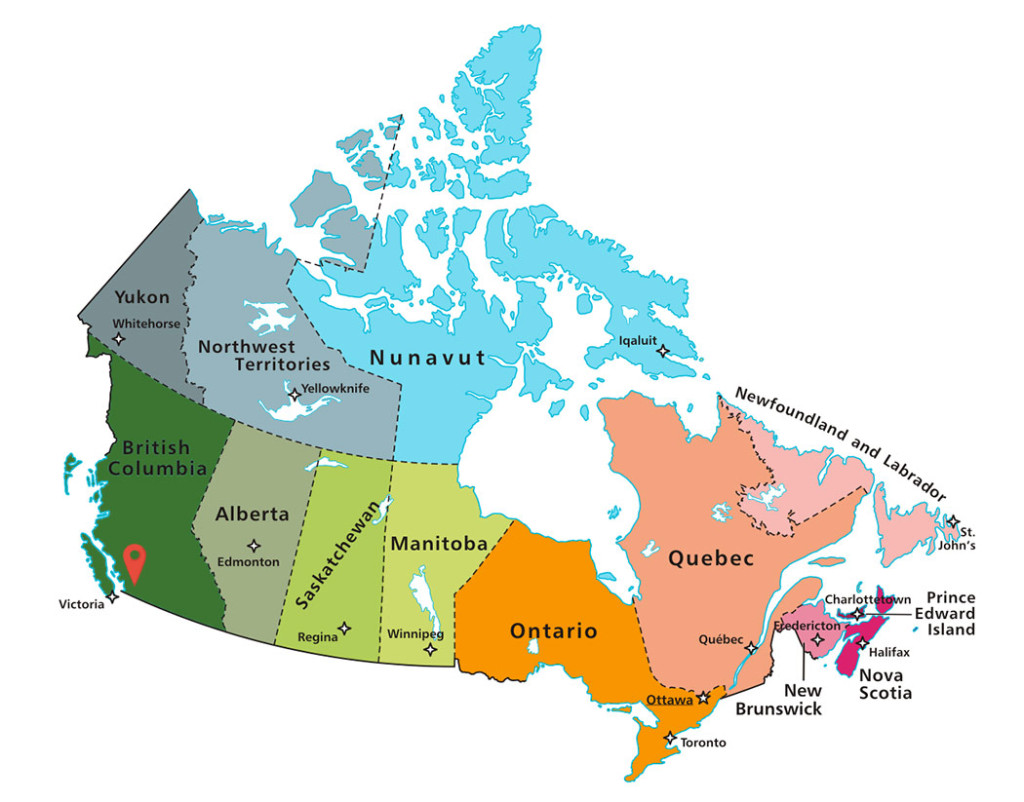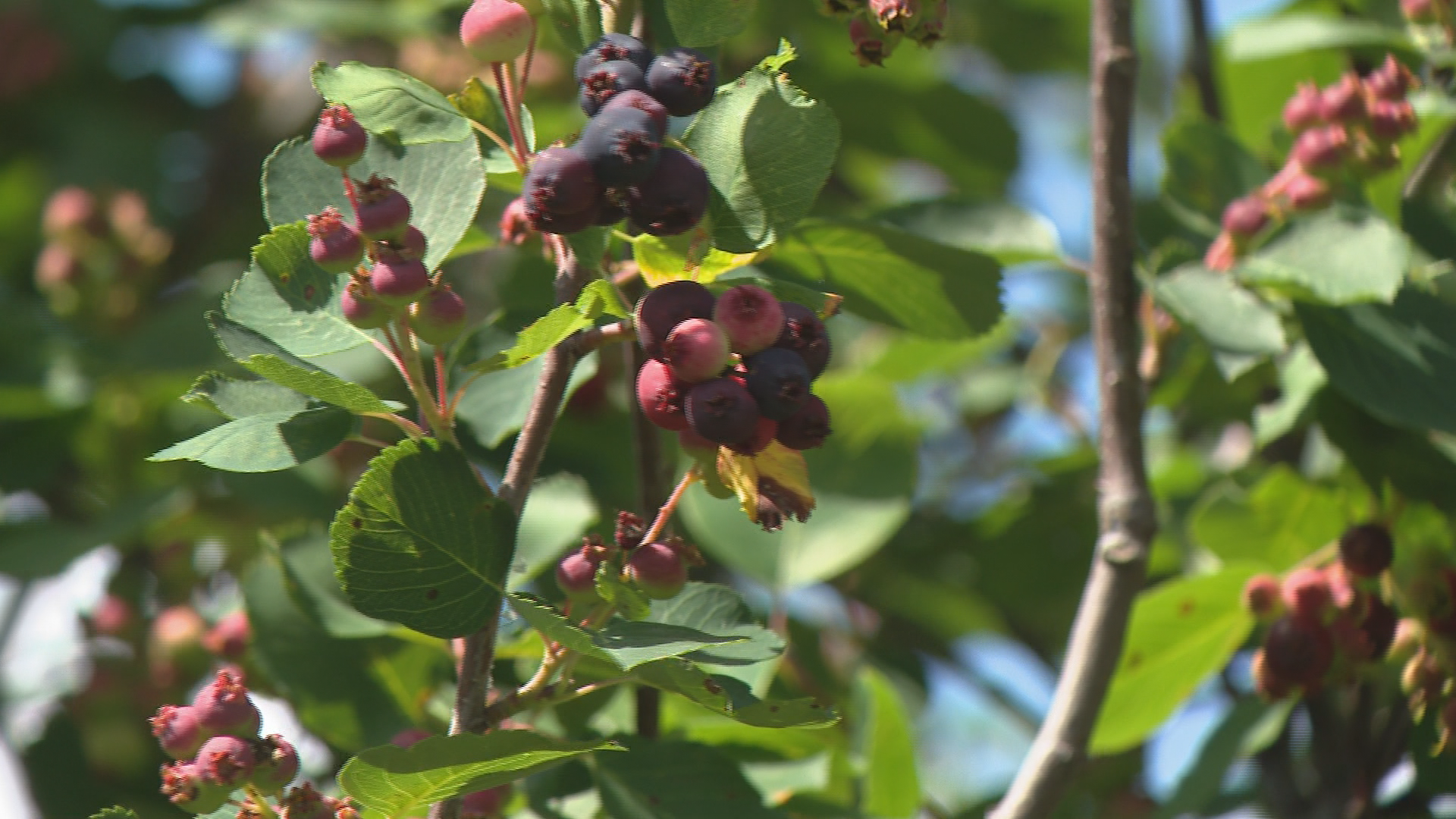
If you planned to spend the first week of July with purple-stained fingers filling buckets at your local U-pick patch, you're probably looking at empty bushes right now. The public is entirely ready to head out into the fields, but the berries simply didn't get the memo. Weeks of relentless gray skies, stubborn rain, and cool temperatures across Saskatchewan have put a serious dampener on the summer fruit kickoff.
Saskatoon berries are running anywhere from a week to ten days behind schedule. It's an unusual twist for a province that spent the last few summers worrying about severe droughts and scorching heatwaves. This year, the script flipped completely. June delivered a massive amount of moisture, leaving fields soggy and farmers playing a waiting game.
But while the signature purple berries of the Prairies are taking a mandatory nap, a lesser-known fruit is having its absolute best year ever. The haskap berry is exploding in size and abundance, proving that one plant's weather nightmare is another plant's paradise.
The Drought Berry Stuck in the Damp
Saskatoon berries are built for the typical harsh, dry climate of the Canadian Prairies. They are a drought-tolerant crop by nature. They like the hot sun, they thrive when the ground is dry, and they need that intense heat to ripen quickly and evenly.
This summer, they got the exact opposite. According to provincial fruit crops specialist Forrest Scharf, the cooler spring temperatures combined with heavy June downpours essentially tricked the plants. The province went through multiple rounds of winter-like weather stretching late into the spring. This erratic weather pattern psychologically primed the bushes to hold off on developing their fruit, acting as a natural defense mechanism against a sudden killing frost.
When the rain kept falling throughout June, the berry development slowed to an absolute crawl. Grant Erlandson, the co-owner of The Berry Barn just southwest of Saskatoon, notes that he hasn't seen a year quite like this one in decades. His 18 acres of Saskatoon bushes usually produce a reliable 15,000 to 20,000 pounds of fruit, but the lack of sunshine brought the ripening process to a total standstill.
Right now, the berry patches are a messy mix of stages. Instead of an even, beautiful sea of deep purple, growers are looking at a mismatched patchwork. You'll see a purple berry here, a red one there, and plenty that are still completely green. This uneven growth means the harvest won't have that clean, synchronous start that commercial operations rely on. Erlandson expects this year's total yield to sit on the very low end of his usual average.
The biggest risk right now isn't just the delay. It's the humidity. If the damp, stagnant air hangs around the bushes without a good breeze to dry them out, fungal diseases can take hold quickly. Growers are desperately checking forecasts, hoping for a solid two weeks of warm, breezy weather in the 25 to 30 degrees Celsius range to dry out the soil and kickstart the sugar development in the fruit.
Why Haskaps are Winning the Summer Washout
While Saskatoon berry farmers stare anxiously at the clouds, haskap growers are watching their bushes bend under the weight of giant fruit. Haskaps, also known as blue honeysuckles, are an early-season berry that looks like an elongated blueberry and tastes like a sharp, delicious cross between a raspberry and a blueberry.
The reason they are thriving in this soggy weather comes down to their genetic history. Haskaps naturally originate in cold, damp environments like Japan and eastern Russia. Over thousands of years, these plants evolved to love high moisture environments that would rot the roots of other crops.
The University of Saskatchewan has been at the center of the haskap world for decades. Back in 1998, Dr. Bob Bors started a specialized breeding program at the university to develop varieties perfectly suited to Canadian soil. By cross-pollinating Japanese and Russian strains, the university created incredibly cold-hardy varieties like Borealis, Tundra, and the Boreal series.
Saskatchewan farmer Peter Rhodes, who manages 30 acres of diverse berry crops just south of Saskatoon, has watched this play out firsthand. He points out that his haskaps are significantly larger than normal this year because of the extra water.
Growing haskaps comes with its own quirky challenges, though. Rhodes jokes that you don't even need to look at the calendar to know when they're ripe because the local bird population will tell you. The moment they hit peak sweetness, birds swarm the fields. The berries are also notoriously delicate. If you sneeze too hard near the bush, the ripe ones will drop straight into the dirt.
Because they ripen so early, haskaps managed to soak up all that June rain and turn it into massive fruit size before any major disease issues could settle in. They are the undeniable winners of the wet summer.
The High Winds and Ruined Strawberry Fields
The wet, volatile weather hasn't been a win-win for everyone else in the fruit sector. Strawberries are taking a massive beating across the province.
Charles Sudom, the president of the Saskatchewan Fruit Growers Association, runs an operation near Avonlea. He reports that his strawberry fields were simply too wet to function normally. The issues actually started back in May, which brought ferocious, unrelenting winds right when the strawberry plants were trying to push out blossoms.
When high winds hit delicate blossoms, it ruins pollination. Without proper pollination, you don't get fruit. Sudom mentioned he was honestly surprised that the Saskatoon berry blossoms survived the spring windstorms at all. The strawberries weren't as lucky. The combination of early wind damage and subsequent June mud has left many traditional ground-strawberry growers facing a highly disappointing season. Even greenhouse operations reported that their strawberry plants essentially shut down production during the darkest weeks of June, waiting for a burst of genuine sunlight.
Navigating the Delayed Berry Season
If you are planning to stock your freezer with local fruit this year, you need to change your strategy. You can't rely on the old mid-July timelines. Here is how you should handle the current fruit situation in Saskatchewan.
Call the Patch Before You Drive
Do not assume a U-pick farm is open just because it's July. Check their active social media pages or call them directly. Growers are opening and closing their gates on a day-to-day basis depending on how many berries turn purple that morning.
Give Haskaps a Chance
If your favorite Saskatoon berry patch is closed, look for local haskap vendors. They are a phenomenal alternative for pies, jams, and fresh eating. They have a higher antioxidant count than blueberries and bring a bright, tart flavor to baking that cuts through sweet sugars beautifully.
Prep for Easy Picking Later
The good news for Saskatoon berry lovers is that once the heat finally stays, the picking will be incredibly easy. The bushes have plenty of moisture, meaning the berries that do ripen will be plump and juicy rather than small and dried out. The bushes have good height this year, so you won't be breaking your back to fill a bucket.
Inspect Your Fruit for Rot
Because of the high humidity in the fields, keep a close eye out for mold or soft spots when you are picking. Drop your harvested berries into shallow containers rather than deep buckets so the weight of the top layers doesn't crush the damp berries at the bottom. Bring them home and process them immediately. Wash them in a light vinegar-water solution to kill any lingering fungal spores, dry them completely, and get them straight into the freezer or canning jars.