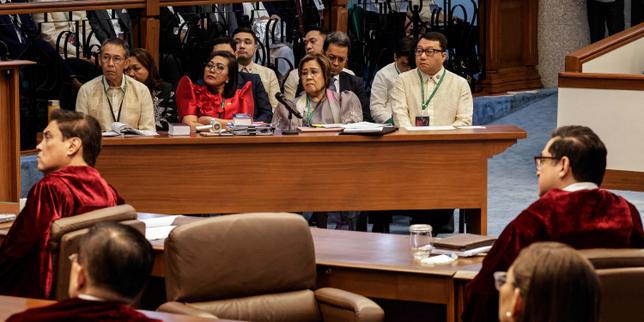
The political alliance that swept the 2022 Philippine elections is officially dead. On July 6, 2026, the Philippine Senate officially opened its doors as an impeachment court to try Vice President Sara Duterte. This isn't just standard political theater. It's a high-stakes war between two of the most powerful political dynasties in Southeast Asia, and the outcome will dictate the country's trajectory for years.
Many observers expected the shaky marriage of convenience between President Ferdinand Marcos Jr. and the Duterte family to fracture eventually. Nobody thought it would happen this fast, or this aggressively. The House of Representatives voted decisively to impeach the Vice President on May 11, 2026. Now, the battleground shifts to the Senate, where lines are being drawn and political careers are on the line.
What Lies Behind the Articles of Impeachment
You can't understand this trial without looking at the specific charges leveled against the Vice President. The House prosecution panel isn't pulling any punches. They've put together a rap sheet that includes heavy allegations of corruption, unexplained wealth, bribery, and the misuse of massive confidential funds.
Then there are the more sensational charges. The prosecution points to alleged assassination plots and death threats against political rivals. They claim a clear pattern of abuse of office and inciting sedition. Duterte has repeatedly denied every single accusation. She calls the process a politically motivated witch hunt designed to remove her from the 2028 presidential equation.
The real catalyst for this fallout was the sudden handling of confidential and intelligence funds. When lawmakers began stripping these opaque budgets from her offices in late 2023 and 2024, the relationship between the Marcos and Duterte factions turned toxic. By the time 2025 rolled around, the two camps were openly attacking each other in public speeches and media briefings.
The Senate Chamber as a Political Battlefield
Senate President Sherwin Gatchalian is presiding over the impeachment court. Managing this trial is an absolute logistical and security nightmare. Thousands of pro-Duterte and anti-Duterte protesters have already converged near the Senate building in Pasay, forcing the Philippine National Police to deploy heavy crowd-control units.
The political math in the Senate is complicated. To convict and remove a sitting vice president, the prosecution needs a two-thirds majority vote from the senators. Right now, it's a numbers game. Some senators are firm Marcos allies. Others owe their political survival to the enduring popularity of former President Rodrigo Duterte, Sara's father.
The trial opened with procedural wrangling. The first day focused on the formal appearance of defense and prosecution counsels, preliminary motions, and establishing the strict timeline for presenting evidence. The atmosphere inside the room was incredibly tense. Everyone knows that every word spoken on the Senate floor will be micro-analyzed by millions of citizens watching the live broadcasts.
A Surprising Arrest Ups the Ante
Just as the Senate trial got underway on Monday morning, another political bomb dropped in Manila. Law enforcement officials arrested Senator Rodante Marcoleta, a vocal Duterte loyalist, on separate plunder charges. The anti-graft court Sandiganbayan issued the warrant following an investigation by the Office of the Ombudsman.
The timing of Marcoleta's arrest is highly suspicious to Duterte’s base. Prosecutors allege Marcoleta failed to declare 75 million pesos in campaign donations during previous government filings. Over 15,000 protesters had already taken to the streets over the weekend to defend Marcoleta. This arrest completely derails any hope for a calm, orderly trial. It signals that the current administration is willing to play hardball against anyone standing in their way.
Why This Trial Matters to Ordinary Citizens
For the average Filipino, this trial isn't just about elite families fighting for supremacy. The political instability is threatening to drag down an already slowing economy. The Senate is supposed to be working on the national budget and passing critical economic laws. Instead, legislative work is grinding to a halt to accommodate the trial schedule.
The public sentiment is deeply divided but highly engaged. Recent local surveys indicated that up to 88% of respondents wanted the Vice President to face an open trial in the Senate to settle these allegations once and for all. People want transparency, especially regarding how public funds are spent. The defense team has tried to argue that the proceedings lack proper constitutional jurisdiction, but that argument fell flat with the Senate leadership.
How the Defense is Planning to Fight Back
Sara Duterte’s legal team isn't planning to take this sitting down. They've made it clear they intend to challenge the credibility of the prosecution’s star witnesses. One expected witness is Ramil Madriaga, a former aide who has publicly accused the Duterte family of orchestrating aggressive anti-government actions.
The defense strategy relies on framing the entire process as an establishment conspiracy. By portraying Sara Duterte as an outsider being bullied by the traditional Manila elite, they hope to preserve her popularity among working-class voters in the southern island of Mindanao. They want to prolong the trial, hoping public fatigue will set in before the prosecution can secure enough votes for a conviction.
What Happens Next in the Coming Weeks
The opening statements are just the tip of the iceberg. Over the next month, the Senate will hear grueling daily testimonies. We'll see intense cross-examinations regarding bank accounts, government audits, and internal security memos.
If you want to track the progress of this trial effectively, don't just watch the soundbites on television. Pay close attention to how independent, unaligned senators vote on early procedural motions. Those early votes will reveal exactly which way the political wind is blowing long before the final verdict is delivered. Monitor the daily updates from local outlets like the Philippine News Agency and the Philippine Daily Inquirer to see how the evidence holds up under legal scrutiny. This trial is going to be a long, chaotic, and brutal fight for survival.