Russia is making a massive play to rewrite the global tech playbook, and most Western observers are looking the wrong way. They see sanctions and assume isolation. The reality on the ground tells a completely different story.
This September, the 3rd International Technology Congress, known as ITC-2026, will take over the Patriot Exhibition Centre in the Moscow Region. From September 8 to 10, more than 5,000 delegates from over 40 countries will pack the halls. Over 300 organizations are setting up massive displays. If you think this is just a local business meeting, you are dead wrong. This event is a highly strategic gathering designed to build an entirely alternative global tech ecosystem that completely bypasses traditional Western networks.
The core motivation here is obvious. It is about survival and growth. For countries facing heavy geopolitical pressure, building self-reliance is no longer a luxury. It is an immediate necessity. This congress is where those nations gather to share blueprints, trade software, and build new alliances.
The Reality Behind the 3rd International Technology Congress
People want to know if these international events in Russia actually amount to anything real. The answer is yes, but not in the way Western tech firms might expect. This event is not about attracting American venture capital or Silicon Valley partnerships. Those bridges are burned. Instead, it focuses heavily on cross-border cooperation within the BRICS framework and the Global South.
The presence of the BRICS Centre for Industrial Competencies under the United Nations Industrial Development Organization, or UNIDO, gives this event serious international weight. This is not Russia acting completely alone. It is Russia acting as a central hub for a growing network of nations that want to secure their own tech supply chains.
When you look at the sheer numbers, the scale becomes clear. Five thousand delegates do not travel across continents just to hear speeches. They are there to sign contracts, buy equipment, and find alternatives to American and European software. The search intent behind tracking this event is simple. Analysts and tech leaders want to see exactly how fast non-Western nations are decoupled from Western technology. The short answer is that they are moving faster than you think.
What Is Actually Happening in Moscow This September
The event is built on a cross-sector framework. Russia's First Deputy Prime Minister Denis Manturov made it clear that the goal is to unite industry associations from Russia and partner nations. By doing this, they want to create unified approaches to industrial modernization.
Think about what that means in practice. If ten different countries all adopt the same standards for industrial automation or data storage, they create a massive, unified market. That market operates completely independently of Western patent systems, export controls, and banking networks.
The main theme of ITC-2026 centers on implementing knowledge-intensive systems to achieve technological leadership. The Russian government is using this event to accelerate its own national projects. They want to push domestic products into fresh international markets. They are focusing heavily on areas where they can offer immediate alternatives to Western products that are now blocked by sanctions.
The Push for True Technological Sovereignty
You cannot understand this congress without understanding the phrase technological sovereignty. It gets thrown around a lot, but in Moscow, it has a very specific meaning. It means ensuring that a country's critical infrastructure can run smoothly even if every single piece of foreign software is turned off tomorrow.
The plenary and strategic sessions are focusing intensely on labor productivity, sectoral coordination, and open architectures. This last point is crucial. Open-source software is the primary tool being used to break the monopoly of Western tech giants. By building on open architecture, engineers from Russia, India, China, and dozens of other nations can collaborate without worrying about licensing restrictions or sudden compliance bans.
It is a highly pragmatic strategy. If you cannot buy proprietary software from the United States, you build an open-source alternative with forty other countries. You share the development costs. You share the security auditing. Everyone wins, and nobody can shut you down with a single pen stroke in Washington.
Deep Dive Into the Tech Clusters
The accompanying exhibition, simply titled TECHNOLOGIES, is organized around specific thematic clusters. This is where the theoretical talk turns into physical hardware.
Space and Unmanned Systems
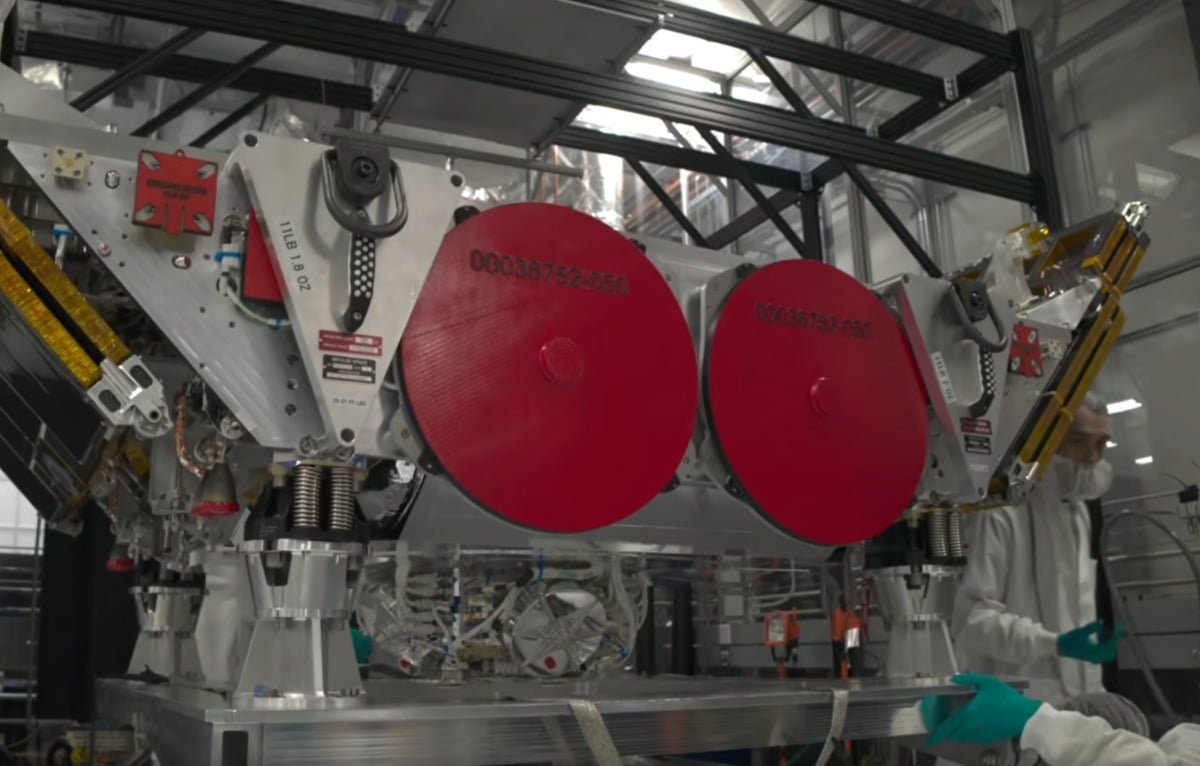
The SPACETECH cluster is a major focus this year. It features advanced space technologies, satellite manufacturing, and space research. Russia still possesses deep historical expertise in rocketry and satellite deployment. They are actively marketing these services to countries in Asia, Africa, and Latin America that want their own orbital presence but lack the domestic infrastructure to launch hardware.
Alongside space is the ICS Forum, which covers unmanned systems, robotics, and intelligent control systems. This forum brings together developers, manufacturers, and end-users from vital economic sectors like agriculture, healthcare, construction, and energy. They are not just looking at high-end military drones. They are looking at autonomous tractors that can plant fields without human intervention, robotic mining equipment, and automated logistics systems.
For instance, look at the agricultural sector. Autonomous drones and smart sensors are being deployed to monitor crop health and manage irrigation over vast territories. This lowers labor costs and drives up productivity, which is exactly what Manturov highlighted as a primary goal of the congress.
Data Centers and Infrastructure
Another major sub-event is the 2nd Inter-Industry Forum on Data Center Infrastructure. This section deals with the nuts and bolts of the digital world. They are discussing scientific policy, construction, power supply, and comprehensive security for digital infrastructure.
With data localization laws becoming stricter worldwide, countries need to know how to build secure, independent data storehouses. Russia is using this forum to demonstrate its own industrial centers of excellence. These centers specialize in substituting foreign hardware and software systems with domestic alternatives. They are showing leading customers exactly how to execute cross-sector technology transfers without losing operational efficiency.
Why the Global South Is Paying Attention
The mix of nations attending this event is telling. You will see delegations looking for real alternatives to Western monopolies. When Western nations cut off Russia from specific software suites and cloud services, it sent a shockwave through corporate boards worldwide. Executives in Asia and Africa realized that if it could happen to Moscow, it could happen to them too.
That realization is driving the massive interest in this congress. Countries want options. They want to know that if their political relationship with the West sours, their banking systems, electric grids, and telecommunication networks will not collapse.
Russia is capitalizing on this fear by positioning itself as a reliable partner that will never pull the plug for political reasons. Whether that promise holds true long-term is a matter of intense debate, but right now, many governments find it to be an incredibly appealing proposition.
Next Steps for Tech Leaders Outside the West
If you run a technology company anywhere outside the immediate Western orbit, you cannot afford to ignore what is happening at ITC-2026. This is not a minor sideshow. It is a glimpse into a fractured, multi-polar tech world.
First, look closely at the open-source frameworks being developed during these sessions. They will likely form the foundation for future software standards across major parts of Asia and Africa. Adapting your systems to be compatible with these open architectures early could give you a massive head start in these expanding markets.
Second, watch the cross-sector technology transfers very carefully. The hardware and software being certified at this congress are designed explicitly to replace Western options. They are often cheaper, and they come with fewer political strings attached. Evaluate whether these alternative systems offer a viable way to diversify your own supply chain risks.
The era of a single, unified global tech market is officially over. Events like the 3rd International Technology Congress are drawing the new lines in the sand, and smart operators are already positioning themselves accordingly. Keep your eyes on the announcements coming out of the Patriot Exhibition Centre this September. Your future strategy might depend entirely on them.