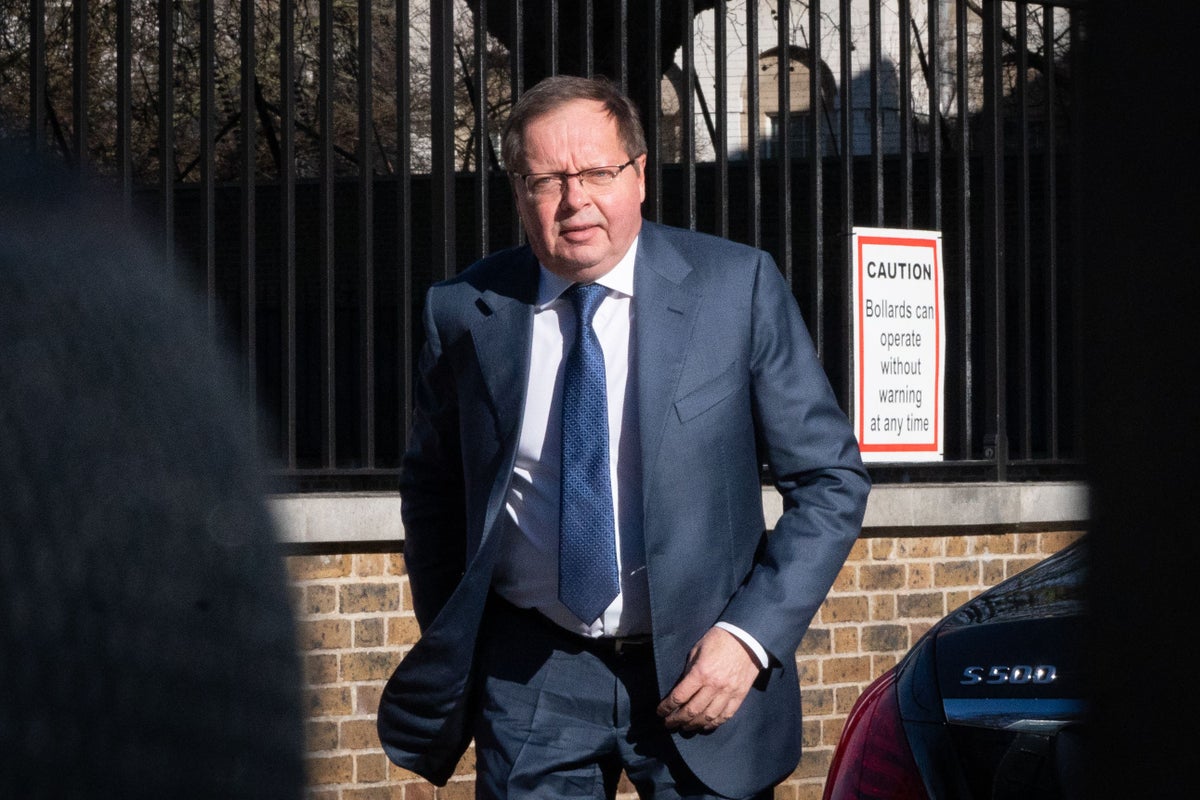
Diplomatic channels between London and Moscow are practically dead. Russia has officially pulled its longtime ambassador to the UK, Andrey Kelin, leaving the embassy in the hands of a chargé d'affaires.
If you think this is just standard bureaucratic turnover, you're missing the bigger picture. Relations have hit a historic floor. Kelin quietly departed his post, and the Kremlin hasn't bothered to name a replacement. That absence speaks volumes.
The End of Routine Diplomacy
Kelin spent over seven years representing Moscow in London, navigating the fallout from the Salisbury poisonings, the war in Ukraine, and an endless loop of tit-for-tat expulsions. His exit wasn't a peaceful retirement party. It marks a deliberate downgrade in how Moscow chooses to treat the British government.
When a superpower leaves an embassy without a full ambassador, they are sending a message. They are signaling that conversation is over and normal diplomatic engagement is a waste of time.
The Russian embassy in London didn't try to sugarcoat it either. They blamed the collapse entirely on British policy, pointing fingers straight at London's unwavering military support for Kyiv.
Why British Military Aid Crossed a Line
The timing lines up with a sharp spike in threats from Moscow. British-made attack drones supplied to Ukraine have reportedly been used to strike targets deep inside Russian territory.
When Ministry of Defence sources confirmed those operational details, the Kremlin snapped. Russian officials issued public warnings about severe "consequences," labeling Britain an active co-perpetrator in the conflict.
You don't threaten a nuclear-armed state's adversary with drone technology without expecting immediate retaliation. Moscow's choice to pull its ambassador is the diplomatic equivalent of slamming the door on your way out.
What Happens When Channels Go Dark
Some analysts argue that keeping an ambassador around is essential, no matter how bad things get. You need someone in the room to pass notes, manage crises, and prevent total miscalculation.
Others argue that keeping a Russian ambassador in London was theater anyway. Kelin spent most of his final years repeating Kremlin talking points on British television and getting banned from the parliamentary estate. If an ambassador refuses to engage honestly and treats an embassy as a megaphone for propaganda, pretending you have a functional relationship is dangerous.
Britain's Foreign Office has kept its response muted, maintaining that it remains a matter for the Russian foreign ministry. Meanwhile, the UK keeps its own ambassador stationed in Moscow to handle essential communication. But make no mistake, communication is a one-way street right now.
Expect fewer warnings and sharper escalations. Without high-level diplomats to manage the friction, a single miscalculated strike could push Britain and Russia past the point of no return.
Watch the situation at the border closely, because the diplomatic freeze usually precedes a military escalation.