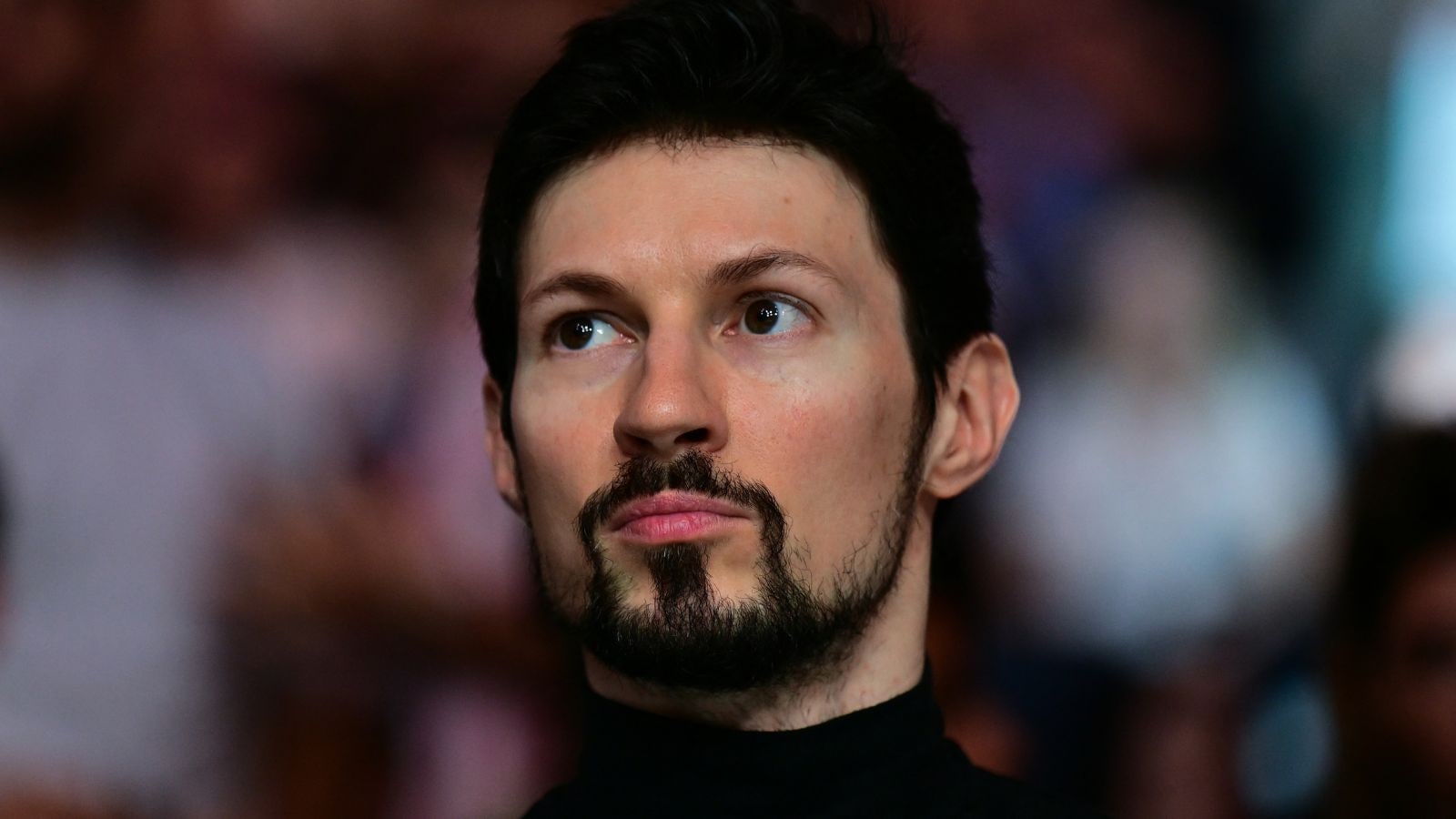
Russia just announced an international wanted notice for Telegram founder and CEO Pavel Durov, accusing him of complicity in terrorism. This unexpected move adds another bizarre layer to an already chaotic saga for the billionaire tech entrepreneur.
If you're wondering how a platform creator ends up caught in the crosshairs of both Western and Russian authorities, the answer comes down to encryption, control, and geopolitics. Let's look at what's actually happening behind the headlines. For another perspective, see: this related article.
The Charges and the Context
The Russian Federal Security Service, known as the FSB, issued the wanted notice following claims that Telegram has been used by Ukrainian security services to recruit individuals for sabotage operations inside Russia. Moscow alleges that Durov failed to remove prohibited information or cooperate adequately with state demands.
Durov, who was born in Saint Petersburg, left Russia over a decade ago. He currently holds French and Emirati passports and resides primarily outside of Russian borders. Because he lives in France—where he has faced separate legal investigations over content moderation on his app—the Russian wanted notice is largely symbolic, but it signals a massive escalation in how Moscow views the independent messaging platform. Related coverage on this matter has been published by Mashable.
A History of Friction With Moscow
This isn't the first time Durov has clashed with Russian authorities. Back in the mid-2010s, he was effectively pushed out of VKontakte, often called Russia's Facebook, after refusing to hand over user data to state security agencies.
He then poured his energy into Telegram, building a platform centered on privacy, end-to-end encryption, and minimal content oversight. Telegram quickly became a primary communication channel across Eastern Europe.
Between 2018 and 2020, the Russian government tried to block Telegram entirely. Officials wanted Durov to hand over encryption keys and grant backdoor access. When Telegram resisted, federal agencies tried to throttle its success. Eventually, the ban was lifted after the company agreed to take nominal steps against extremism, though critics have long questioned the true nature of that compromise.
Why This Matters Now
The timing of this international notice reveals a lot about modern digital warfare. Messaging apps have become the main battleground for information, recruitment, and propaganda. Governments hate platforms they can't easily control.
When Durov was arrested in France, it sparked a global debate about the responsibilities of tech executives when illegal content spreads on their networks. Now, Russia's move highlights a different kind of pressure: a government using its legal machinery to punish a native son who refused to turn his infrastructure over to state intelligence services.
You cannot separate Durov's current predicament from the reality that encrypted platforms are a thorn in the side of any authoritarian regime.
What Happens Next
Durov remains outside of Russian jurisdiction, primarily dealing with his ongoing legal obligations in Western Europe. The international notice from Moscow means he faces immediate detention if he ever steps foot back in Russia, a risk he likely has no intention of taking.
Telegram continues to operate at a massive scale globally, proving that the demand for encrypted, independent communication channels isn't going away anytime soon. The friction between sovereign states and decentralized tech founders will only intensify as governments demand more oversight and developers push back in the name of privacy.