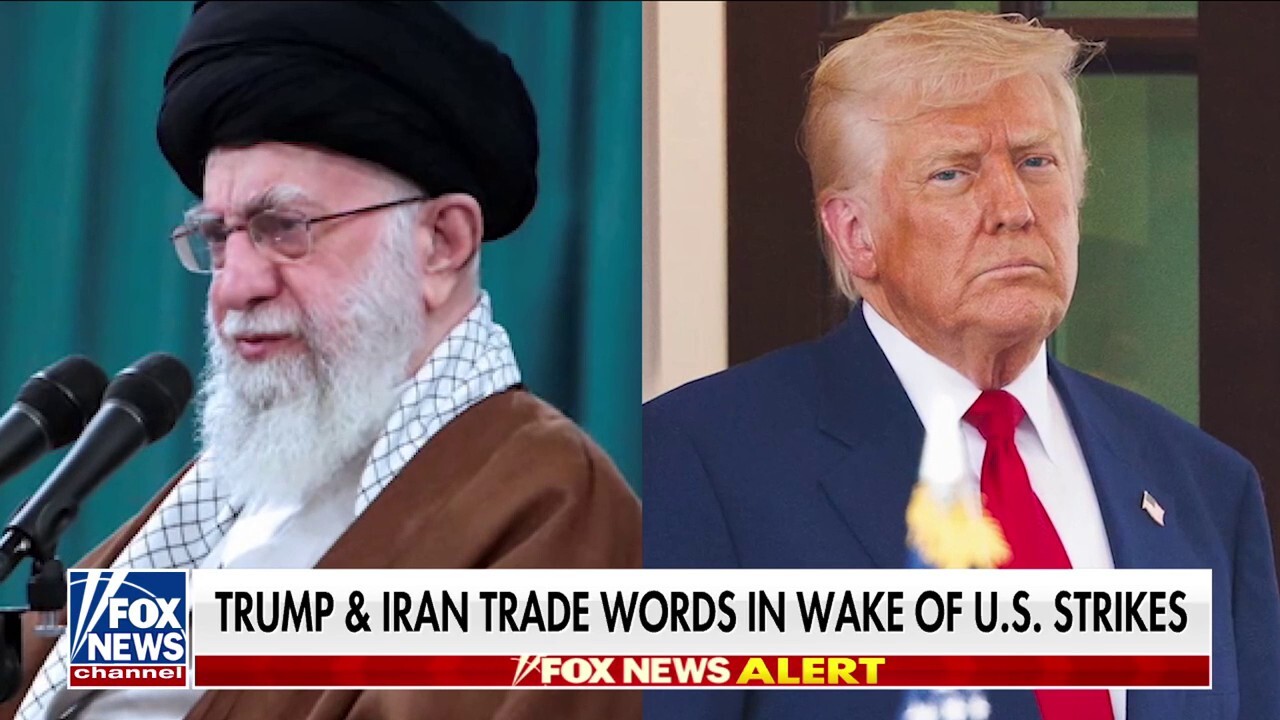
You’ve probably seen the headlines. Claims circulating online suggest that the USS Abraham Lincoln suffered significant damage from Iranian strikes. Let's be clear from the jump: these reports are unsubstantiated. There is no credible evidence, photographic proof, or official statement from the U.S. Department of Defense confirming any damage to the carrier.
Information warfare is a real threat in 2026. During periods of heightened regional tension, social media often becomes a battlefield for disinformation. When a carrier strike group moves through contested waters, every move is scrutinized. Often, grainy footage or misidentified silhouettes from military exercises are repurposed to support narratives of military success or failure.
Understanding the Anatomy of a Carrier Strike Group
If you’ve never spent time around a modern carrier strike group, it’s easy to misunderstand their defensive posture. The USS Abraham Lincoln doesn't travel alone. It operates within a protective bubble of Aegis-equipped destroyers, cruisers, and a support submarine. These assets are specifically designed to detect, track, and neutralize incoming threats long before they can reach the carrier itself.
Think of it as a multi-layered shield. You have long-range radar, electronic warfare suites, and interceptor missiles. To actually "damage" a carrier is a monumental task that requires penetrating layers of some of the most advanced defensive technology on the planet. When you see claims of successful strikes, you have to ask: where is the confirmation? If a multi-billion dollar asset were truly damaged, it wouldn't remain a secret. The satellite imagery alone would be global news within hours.
Why Misinformation Gains Traction
Why do people believe these stories? It’s human nature to want to see a specific outcome, especially in complex geopolitical standoffs. When tensions rise between regional powers and global military forces, the appetite for "news" that confirms one's own bias is insatiable.
Here is why these myths persist:
- Lack of direct access: Most people don't have eyes on the ground or sea. We rely on curated feeds.
- Speed over accuracy: Algorithms prioritize engagement. A sensational claim about a damaged carrier gets more clicks than a dry, factual report stating that nothing happened.
- Strategic messaging: Governments and non-state actors sometimes float rumors to test public reaction or to project strength to a domestic audience.
Honestly, if you're looking for the truth, look for the silence. In military circles, a major event is rarely kept quiet for long. If the USS Abraham Lincoln were taken out of commission, the logistics required for repair, medical response, and fleet redeployment would be impossible to hide.
Distinguishing Fact from Speculation
When you encounter a report claiming a major military success or failure, pause. Don't hit share immediately. Ask yourself a few questions that experts use to vet sources.
Is the source primary? Is it a local outlet with a specific agenda, or is it a major international news wire? Are there independent, non-aligned observers—like commercial satellite operators or maritime traffic analysts—corroborating the claim?
Maritime tracking data is a great tool for this. Websites that track ship movements provide real-time data on the location and behavior of major vessels. If a ship were damaged, you would see changes in its behavior: a change in speed, a shift in destination, or an unexpected port call for repairs. As of now, the operational behavior of the U.S. Navy remains consistent with standard deployment patterns.
What You Should Do Instead of Reacting
Stop reacting to social media posts that offer no verifiable data. Instead, monitor official briefings from the Pentagon or recognized maritime security analysis firms. If a story sounds too dramatic to be true, it’s usually because it is.
Stay skeptical of unverified accounts on platforms like X or Telegram. These spaces are often used to seed narratives that lack any basis in reality. If you want to understand what's actually happening in the Middle East, pay attention to the official statements and the verified movement of assets. Everything else is just noise.
Focus on verified data points. Keep an eye on regional stability, but don't let digital rumors dictate your view of reality. The best way to stay informed is to verify, wait for secondary confirmation, and ignore the hysteria.