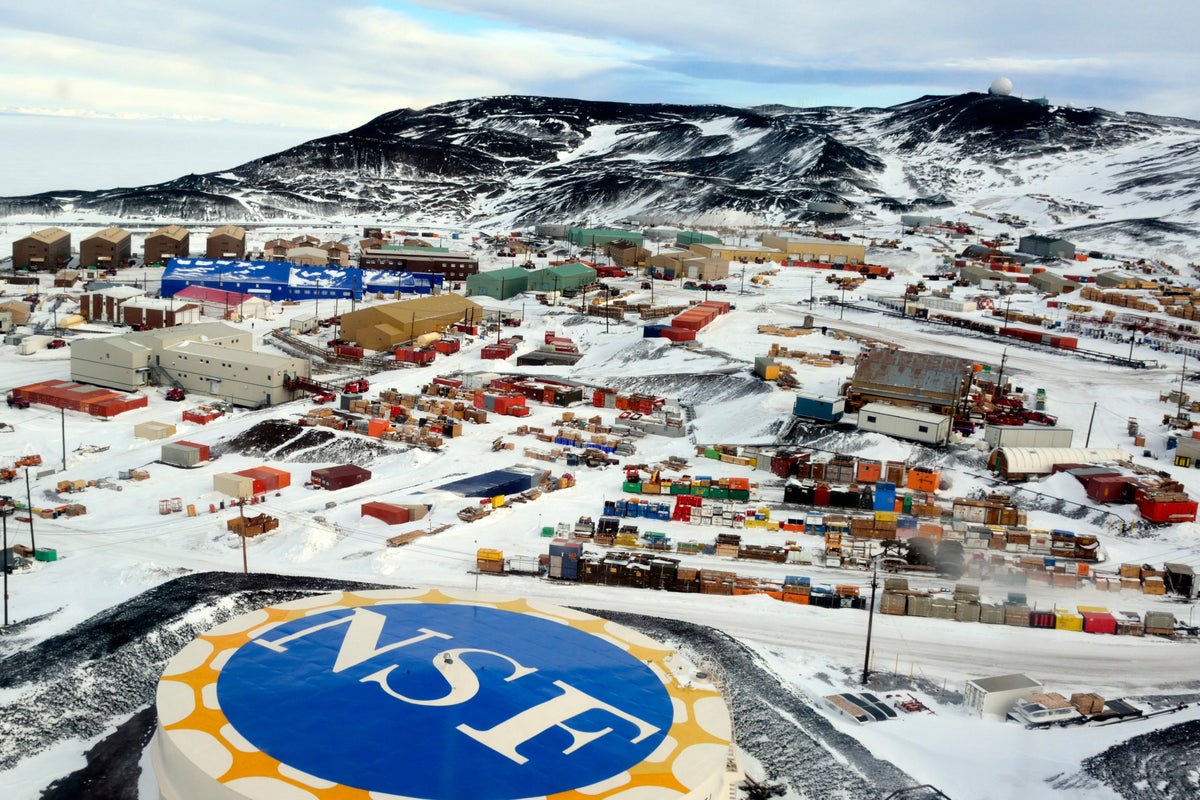
Flying an aircraft into Antarctica during the pitch-black, freezing depths of winter is a terrifying gamble with the laws of physics. When an American researcher at the U.S. McMurdo Station suffered a serious medical emergency, routine evacuation options vanished. There are no standard flights down south in July. Temperatures plummet, darkness is absolute, and aviation fuel can behave unpredictably.
Yet, on July 31, a specialized crew pulled off an extraordinary midwinter medical rescue. It took international cooperation, nerves of steel, and an aircraft pushed right to the edge of its operational limits.
Inside the Frozen Flight Plan
The mission began with an urgent distress call from McMurdo Station, the largest scientific hub on the frozen continent operated by the U.S. National Science Foundation. The patient required advanced medical care that a remote station hospital unit simply could not provide.
Enter Skytraders, a Melbourne-based aviation provider contracted by the Australian Antarctic Program. They deployed an Airbus A319 Long Range aircraft—bearing the call sign Snowbird 1—from Hobart, Australia.
The numbers tell a grueling story:
- Flight time: Five hours and thirty minutes each way.
- Destination: Phoenix Airfield near McMurdo.
- Environment: Complete, suffocating darkness and surface temperatures plunging to minus 43 degrees Celsius (minus 45.4 degrees Fahrenheit).
Mission co-pilot Louise Robertson didn't sugarcoat the reality of the touchdown. The crew operated under what is known as nautical twilight—a state of minimal light that borders on total blackness.
"We are right on the verge of the limitation of the aircraft," Robertson told the Australian Broadcasting Corporation. "It was very close to being too cold."
At minus 43 degrees Celsius, metal contracts, hydraulics grow sluggish, and instrument error margins shrink to zero. Jet fuel rarely freezes at that exact threshold, but system vulnerabilities multiply rapidly. One minor mechanical hiccup on the ice strip would mean disaster for the entire crew.
The Race Against Worsening Weather
Landing on an ice runway without natural horizon lines requires exceptional instrument navigation and raw nerve. But touching down safely was only half the battle. Antarctic weather systems change with terrifying speed.
The flight crew executed a rapid turnaround on the ice, taking the patient aboard before conditions at Phoenix Airfield deteriorated further. They immediately pivoted and flew north toward Christchurch Hospital in New Zealand.
The patient arrived safely on the same day, entering the New Zealand hospital in a serious condition. Hours after departure, a vicious shift in the local weather slammed the Antarctic airstrip, proving just how razor-thin their window of opportunity had been.
Why Midwinter Antarctic Evacuations Are Rare
Most people assume rescue planes can fly into Antarctica year-round. They cannot. During the southern hemisphere winter, sea ice expands massively, and commercial or military flights are suspended. The sheer lack of daylight and hostile temperatures make standard logistics impossible.
When emergencies happen, polar programs rely on rare collaborative agreements. Australia, New Zealand, and the United States frequently coordinate logistics to handle these nightmare scenarios. Similar medical evacuations occurred in past winters, often handled by the New Zealand Air Force or specialized Australian contractors.
McMurdo Station functions like a self-sustaining town, housing scientists and support staff through months of isolation. While every worker undergoes rigorous medical screening before deployment, unpredictable medical crises still happen. Appendicitis, acute cardiac events, or severe physical injuries do not check the calendar.
When disaster strikes the ice in the middle of polar night, survival depends entirely on elite flight crews willing to stare down sub-zero extremes and fly straight into the dark.