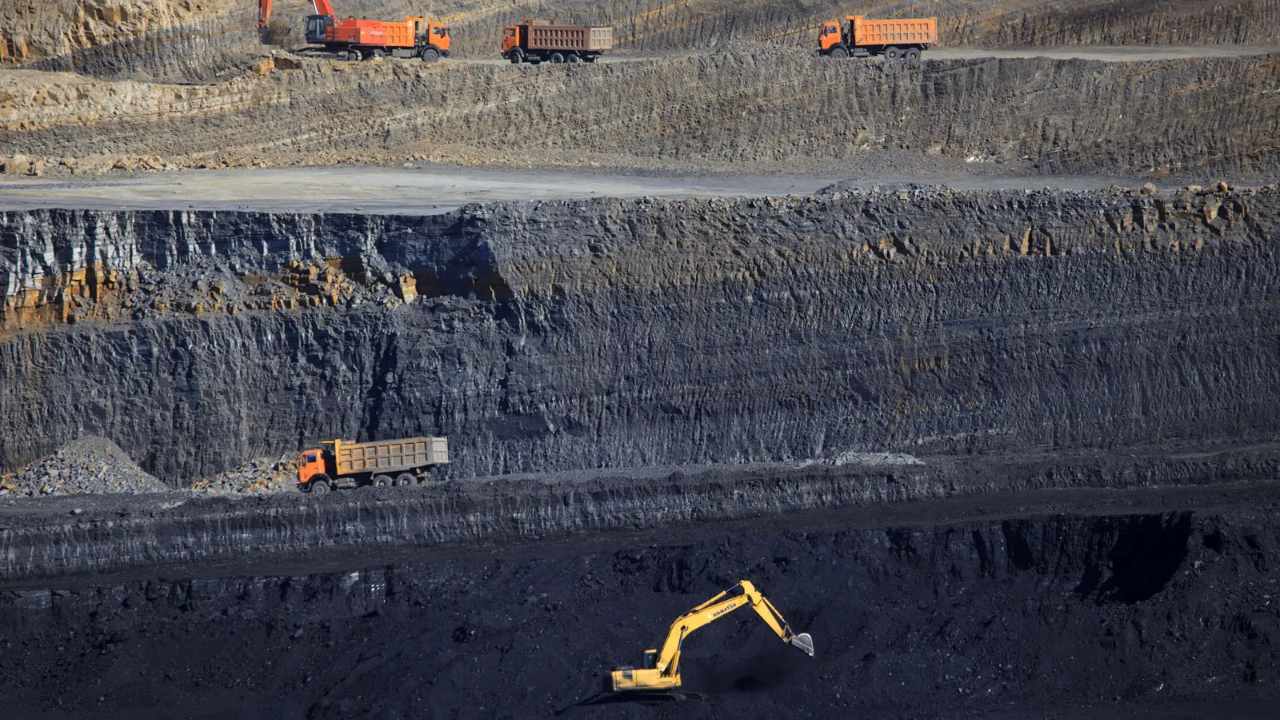
You wouldn't normally look at an industrial strip-mined plateau in central Appalachia and picture teenagers playing soccer, welding metals, or studying AP calculus. But that is precisely what happened in Buchanan County, Virginia.
A massive, 200,000-square-foot facility known as Southern Gap High School sits atop a flat ridge once heavily scarred by mountaintop removal coal mining. Instead of leaving behind an empty, degraded industrial scar, local planners and architects turned the earth into a unified campus. It pulls students from four aging, under-resourced rural schools into one central location.
If you are wondering how a remote county pulls off a $60 million construction project on top of a mountain, the reality involves decades of planning, shifting rural populations, and a desperate need to keep young talent from fleeing the region.
Turning Industrial Rubble Into a Modern Campus
Buchanan County has a long, complicated history with coal. For generations, deep shafts and strip mining defined the local economy and reshaped the physical topography. When companies finished extracting coal from certain ridges, the land was left flat, barren, and isolated.
Instead of letting the Southern Gap plateau sit abandoned, Buchanan County Public Schools teamed up with VMDO Architects to reclaim the flat plateau.
The architecture does not try to hide its roots. In fact, it leans heavily into the region's industrial heritage. Walk inside, and you will notice a massive central brick corridor designed intentionally to mimic underground coal mine shafts. Metal-clad wings branch out from this spine, giving a nod to the heavy machinery that built the local economy.
Large windows line the main corridors, offering sweeping views of the surrounding Appalachian mountains. It is a striking contrast: industrial aesthetics paired with expansive natural scenery.
Why Rural School Consolidation Makes Sense Now
Rural school districts across America face a brutal math problem. Populations shrink, young families move away for city jobs, and local tax bases dry up. Maintaining four separate, aging high schools with crumbling infrastructure simply stops making financial or academic sense.
By merging four distinct school communities into Southern Gap High School, local officials leveled the playing field.
Before this campus opened, educational resources were scattered and uneven. A student at one small rural school might miss out on advanced placement classes or specialized trade certifications simply because their building lacked the staff or funding.
Now, everyone shares the same roof. The facility includes:
- Fully equipped engineering laboratories
- Dedicated spaces for heavy welding and trade training
- A large performing arts auditorium
- Modern, combined athletic fields
Principal Mark Cooper and Superintendent Sherry Fletcher spent years pushing for this transition. Their goal wasn't just to save money on maintenance for outdated buildings. It was to give rural kids the exact same competitive edge as students in wealthy suburban districts.
Education Designed to Keep Kids Local
The real test for Southern Gap High School isn't how sleek the architecture looks on opening day. It is whether it changes the economic trajectory of Southwest Virginia.
Too often, rural education acts as a conveyor belt shipping bright kids out of town. They graduate, go to college in a bigger city, and never come back.
This campus is built to stop that brain drain. By placing high-end academic prep right next to technical trade programs, the school lets students earn college credits and trade certifications at the exact same time. Whether a teenager wants to become an engineer, a certified welder, or head straight to a university, they can do it without leaving Buchanan County.
The campus is also tied into wider regional plans. Located near the developing Coalfields Expressway on a massive 2,000-acre plateau, the school is meant to anchor future cultural and commercial developments.
When the doors opened for the 2026 academic year, it marked a turning point. Buchanan County is betting that by honoring its industrial past, it can finally build a sustainable future for the next generation.