Attacks on religious infrastructure usually draw standard diplomatic condemnations. But the recent targeting of two Palestinian mosques north of Ramallah has triggered something much heavier. In a rare display of unified diplomatic muscle, eight major Muslim-majority nations didn't just express concern; they issued a joint statement holding Israel entirely responsible for the actions of radical settlers in the occupied West Bank.
If you think this is just another regular press release, you're missing the shifting geopolitical undercurrents of 2026. The alignment of these specific regional actors signals a breaking point over how the international community handles escalating violence in the West Bank.
The Breaking Point North of Ramallah
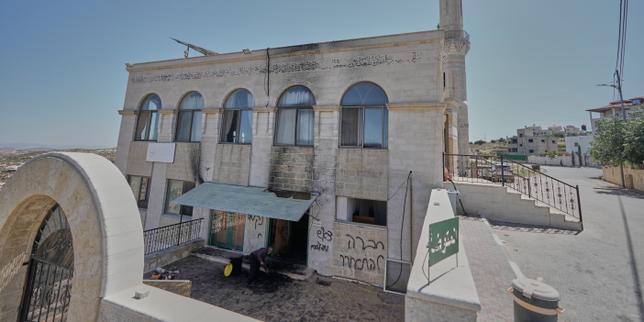
The outrage centers on recent arson attacks targeting the Grand Mosque in the village of Jiljilya and the Al-Farouq Mosque in Mazar'a al-Nubani. Local Palestinian residents reported that groups of Israeli settlers entered the villages and set parts of the religious buildings on fire.
The physical damage to the structures is only half the story. The primary issue is the location and what these actions represent. For years, the international community focused heavily on the Gaza Strip, but things in the West Bank have quietly reached a boiling point. Settler violence has evolved from localized skirmishes over grazing land into coordinated, ideological assaults on the core symbols of Palestinian civilian and religious life.
The joint statement came from the foreign ministers of an incredibly diverse political bloc:
- Saudi Arabia
- Egypt
- Turkey
- Qatar
- Jordan
- United Arab Emirates (UAE)
- Indonesia
- Pakistan
Getting this specific group to sign off on a singular, aggressive text isn't easy. You have regional rivals, major international mediators, Abraham Accords signatories like the UAE, and distant Islamic democracies like Indonesia and Pakistan all using identical language. They are calling these incidents a "flagrant violation of the sanctity of places of worship" and a direct breach of international humanitarian law.
Shifting Responsibility to the Occupying Power
The most critical tactical element of this joint diplomatic push is who they are blaming. Historically, when individual settlers commit crimes, state communications focus on "extremist elements." Not this time.
The eight nations explicitly held Israel, as the occupying power, legally and morally responsible for the actions taking place under its military jurisdiction.
Under Article 56 of the Fourth Geneva Convention, an occupying power has a strict legal obligation to ensure public order and safety, which includes protecting cultural and religious property. By framing the arson attacks as state-level failures rather than isolated criminal acts, the coalition is attempting to strip away any plausible deniability from the Israeli government.
This happens against a backdrop of deep institutional frustration. For months, human rights groups like B'Tselem and Yesh Din have documented a growing overlap between settler movements and local security protocols. When a mosque is torched, and nobody gets arrested, foreign ministries notice. The message from the eight countries is simple: if you control the territory with a standing army, you own the crimes committed within it.
The Broader Struggle for the West Bank
Don't look at these mosque fires in isolation. They are happening simultaneously with systemic administrative changes inside the Israeli government.
Politicians like Bezalel Smotrich, who holds sweeping authority over civilian life in the West Bank, have openly pushed for rules that erase the old Jordanian administrative limits on land purchases and allow Israeli oversight of holy sites even within Palestinian Authority zones. Smotrich recently stated that these policies aim to "deepen roots" and eliminate the possibility of a sovereign Palestinian state.
The eight Muslim-majority countries recognize this trajectory. They view the targeting of religious institutions as the frontline of a broader campaign to destabilize Palestinian communities and force displacement. When the UAE—which normalized relations with Israel—joins Pakistan and Turkey in a scathing joint text, it means the regional threshold for tolerated instability has been crossed.
What Happens Next
The immediate priority for regional watchers is seeing whether this rhetorical unity translates into concrete diplomatic or economic pressure. The consensus from international legal analysts is that standard declarations don't change realities on the ground; policy changes do.
If you are tracking how this situation impacts regional stability, look for these specific indicators over the coming weeks:
- Third-Party Sanctions: Watch if Western nations like the US or EU expand their existing sanction lists against extremist settlers to include larger organizations or funding networks linked to these specific incidents.
- Security Council Pressure: Look for attempts by the coalition—particularly via non-permanent members or allied voting blocs—to force a formal UN Security Council briefing on the protection of religious sites in the West Bank.
- Bilateral Agreements: Monitor if countries like the UAE or Jordan slow down joint economic or diplomatic initiatives with Israel as a direct consequence of the escalating violence.
The era of treating West Bank violence as a secondary issue is over. When eight of the most influential nations in the Islamic world unite to draw a hard line around village mosques, it shows that local incidents now carry massive global risks.