You take a bite of your salad, trusting that someone checked the supply chain. Most people assume government regulators keep a close eye on imported food before it hits grocery store shelves or fast-food chains.
That trust is misplaced.
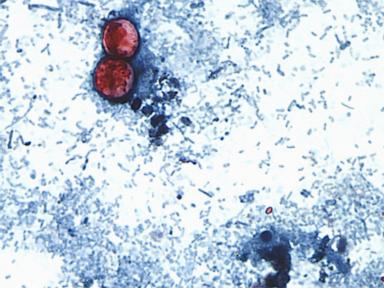
A nationwide outbreak of cyclospora tied to contaminated lettuce has thrown a harsh spotlight on an uncomfortable truth. U.S. regulators are conducting far fewer international safety checks than they used to. Food and Drug Administration inspections of foreign food facilities are down nearly 35% since 2019.
When a microscopic parasite causes widespread gastrointestinal illness, people want to know how it happened. The answer points straight to an overworked inspection workforce, delayed facility visits, and systemic regulatory failures that have dragged on for years.
How a Single Outbreak Exposes a Broken System
The ongoing cyclospora outbreak traces back to a farm in Guanajuato, Mexico, operated by Taylor Farms. Contaminated iceberg lettuce shipped from this site ended up in packaged salads distributed to major restaurant chains, including Yum Brands properties like Taco Bell, Pizza Hut, and KFC.
When the recall hit in mid-July, the response time was painfully slow. FDA investigators didn't step foot on the Mexican farm until mid-August. That is a full month of lag time for a perishable product with a complex, changing ecosystem. Frank Yiannas, the former top food safety official at the FDA, put it bluntly: it took too long to get boots on the ground.
Worse yet, the agency's initial technical execution stumbled. Regulators had to retract a faulty test result claiming they found cyclospora on a sample of Taylor Farms lettuce obtained at the border. Even though officials maintain confidence that the farm is the source of the parasite, public confidence takes a hit when federal agencies bungle laboratory results during an active health scare.
The Shrinking Footprint of FDA Oversight
The drop in foreign inspections isn't a minor dip. It's a massive slump that started with the COVID-19 pandemic and never recovered.
In fiscal year 2025, foreign food inspections fell another 17% down to 1,140 sites. Compare that to 2019, which hit an all-time high of 1,700 international inspections. Even that high-water mark was a drop in the bucket. Under the Food Safety Modernization Act of 2011, the FDA is theoretically supposed to inspect more than 19,000 international food sites every year. The agency routinely misses that mark by a massive margin, managing to check less than one-tenth of the required facilities.
Why can't the agency keep up? The math simply doesn't work.
The FDA's food inspection workforce consists of just over 420 staffers. Between 10% and 15% of those positions remain chronically unfilled. International inspectors often spend half their working lives traveling. That brutal, grueling schedule triggers constant turnover, leaving the agency reliant on younger, less experienced investigators who don't stick around long enough to master the job.
Old Tools and Slow Modernization
Fixing this mess requires modern thinking, but the food industry and regulators are stuck in the past.
The 2011 food safety law mandated bar codes on individual batches of produce so contaminated food could be tracked instantly during an outbreak. That traceability rule was supposed to take effect in January, following years of discussion. Instead, the FDA delayed implementation yet again after facing heavy pushback from food industry lobbies.
Brian Ronholm, a former Department of Agriculture official now with Consumer Reports, noted the absurdity of the delay. When you have well over a decade to prepare for a regulatory requirement, you ought to be able to pass the final exam.
Meanwhile, the Trump administration has floated proposals to stretch existing resources by running a pilot program of one-day foreign inspections. Veteran inspectors warn that these rushed visits are useless. Traditional comprehensive inspections take a week or more to uncover serious structural hygiene problems. A one-day walkthrough is basically a glorified photo op.
What You Can Do Right Now
Relying entirely on federal oversight to keep your food safe is a losing game. If you want to minimize your risk of contracting foodborne illnesses like cyclospora, you have to adopt proactive habits.
- Wash produce thoroughly: While parasites like cyclospora are notoriously difficult to wash away completely due to how they embed themselves in leaf tissue, rigorous rinsing under clean running water removes surface dirt and bacteria.
- Pay attention to recall alerts: Check local public health announcements and grocery store notices regularly, especially if you buy pre-packaged salad mixes or imported berries.
- Support local and regional suppliers: Buying produce grown closer to home cuts down the complex international transit web where contamination often occurs.
The system is struggling to catch up to the sheer volume of global food imports. Until the agency fixes its retention problems, modernizes its tracking rules, and steps up international accountability, outbreaks will continue to slip through the cracks.