Freedom of speech belongs to the people, not the government. That is the core message coming out of a federal courtroom in San Jose, California, where U.S. District Judge Noël Wise delivered a massive legal blow to the White House.
If you think immigration enforcement operates entirely outside constitutional limits, think again. The recent ruling blocks the Trump administration's aggressive push to revoke visas and deport international students and campus journalists for participating in pro-Palestinian advocacy. You might also find this connected coverage useful: How Drought And Wildfires Are Killing Sudans Ancient Date Palms.
Let's break down what actually happened, why this decision matters, and what it means for anyone on a campus visa right now.
The Case That Triggered the Crackdown
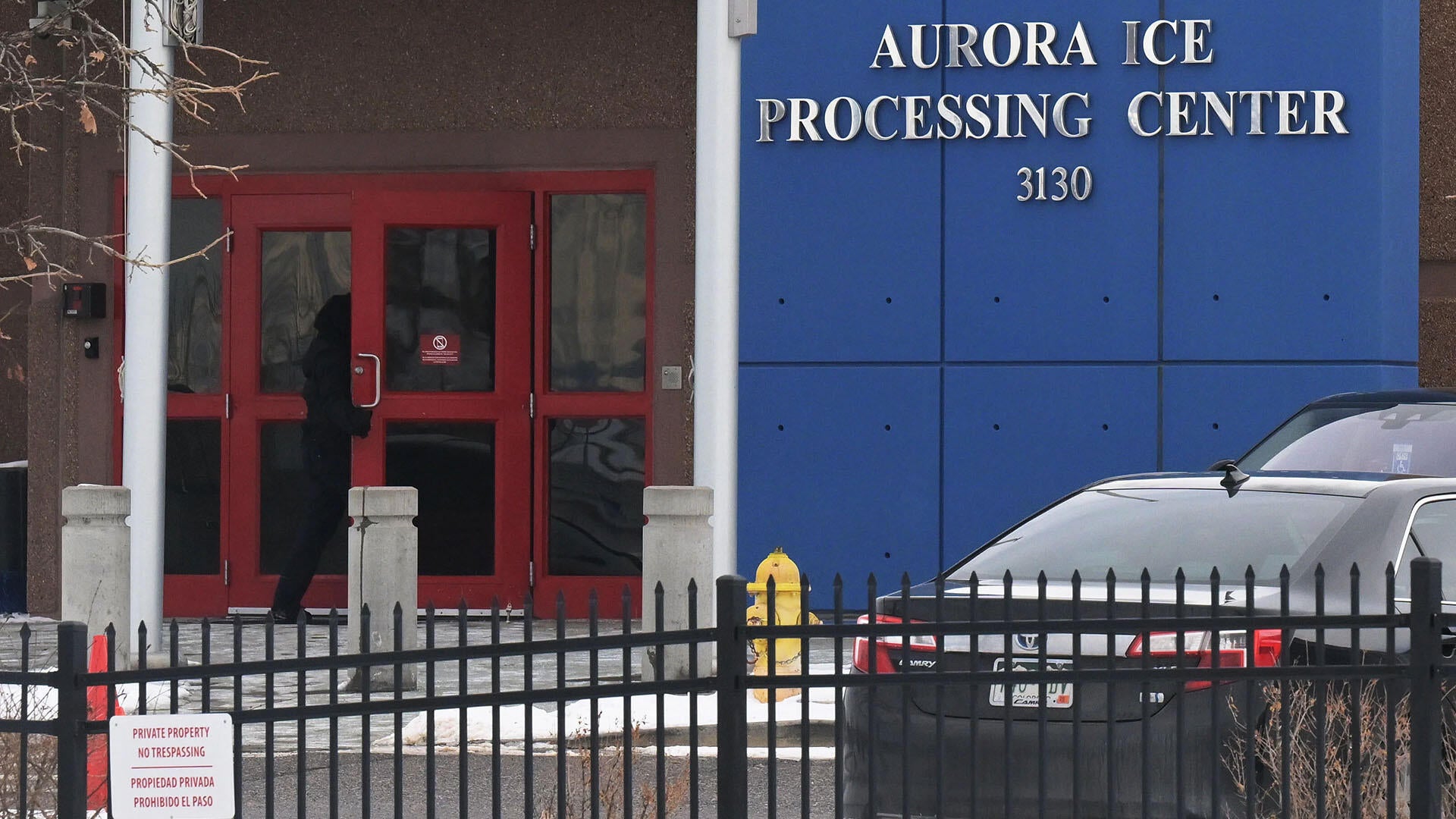
The legal battle didn't happen in a vacuum. Back in March 2025, immigration authorities detained Mahmoud Khalil, a Columbia University graduate student and high-profile activist, in his university-owned residence. Officials invoked rarely used provisions of the Immigration and Nationality Act, arguing that Khalil's pro-Palestinian advocacy presented a foreign policy risk to the United States. As extensively documented in latest coverage by USA Today, the results are widespread.
Secretary of State Marco Rubio and Department of Homeland Security leadership soon leaned hard into this playbook. They began revoking student visas and targeting noncitizens who criticized Israel's military campaign in Gaza or joined campus protests.
The strategy worked—at least initially—by scaring people into silence. International students stopped talking to reporters. Campus newspapers reported that writers on student visas were begging editors to pull their articles offline, terrified that a single byline about the Middle East would lead to a knock on the door from ICE.
That climate of fear motivated The Stanford Daily to take legal action. The student newspaper sued top administration officials in August 2025, arguing that retaliatory deportations based on political speech created an unconstitutional chilling effect.
What Judge Wise's Ruling Actually Says
Judge Wise didn't mince words in her 90-page decision. She called out the administration's actions as a form of "seriously discriminatory enforcement," pointing out a clear pattern: visas were being pulled exclusively when noncitizens criticized the government or policies favored by the state.
Here are the main pillars of the ruling:
- First Amendment Protection: Lawfully present noncitizens retain constitutional rights. The government cannot weaponize immigration status to punish political speech.
- Vague Standards: Provisions allowing the Secretary of State to deport individuals for "adverse foreign policy consequences" were applied in a standardless, unconstitutionally vague manner, violating the Fifth Amendment's due process guarantees.
- The Slippery Slope: Wise warned that allowing the state to silence foreign students over viewpoints it dislikes opens the door to targeting anyone in America for expressing unpopular opinions.
"In the United States, freedom of speech, including the freedom to criticize the government and its leaders, is not a sign of our democracy's fragility," Wise wrote. "It is evidence of its strength."
Why This Decision Impacts More Than Just Protests
You might wonder why a case involving international student visas matters to the broader public. The answer is simple: rights that can be stripped from noncitizens for political dissent can eventually be restricted for everyone else.
When a university newspaper's student journalists self-censor out of fear of state retaliation, the entire free press suffers. A democracy relies on robust, unfiltered debate. If the government can decide that certain foreign policy opinions are illegal for visa holders, the line between protected speech and punishable speech blurs for citizens, too.
Legal experts, including attorneys at the Foundation for Individual Rights and Free Expression (FIRE), hailed the decision as an essential defense of civil liberties. Free speech is not a conditional privilege reserved only for those who parrot the party line.
What Comes Next for International Students
The legal fight is far from over. The administration is expected to appeal the decision, and parallel battles—such as the ongoing legal saga surrounding Mahmoud Khalil—continue to wind through federal appeals courts.
If you are an international student or faculty member navigating campus politics right now, the landscape remains tense. While this ruling provides a vital shield against ideological deportations in ongoing litigation, the administration will likely look for new ways to test the boundaries of federal immigration law.
Know your rights. Organizations like FIRE and various civil liberties unions offer dedicated legal resources for students facing retaliation. Document everything if you experience administrative pressure, and don't let intimidation force you into unconstitutional self-censorship. Stand your ground, because the courts are holding the line for now.