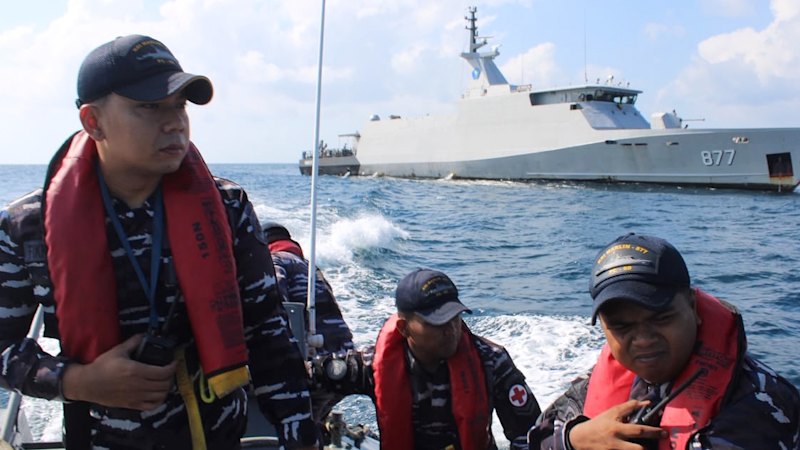
When a routine island transit turns into a high-stakes maritime emergency, every single minute matters. Eleven European tourists and two local crew members found out the hard way when their speedboat broke apart and sank in the unpredictable waters of Tomini Bay off Sulawesi island.
If you are following the frantic rescue efforts out of Indonesia, you know how quickly things can escalate. The vessel departed from Tanjung Unauna regency, heading toward Marisa Port in the neighboring Gorontalo province. It never made it. Instead of a smooth arrival, a massive search operation kicked off across hundreds of square nautical miles of rough open water.
Here is the breakdown of what happened, who was onboard, and what this incident reveals about maritime safety in island transit corridors.
The Timeline of the Tomini Bay Emergency
The journey started routinely enough on a Friday morning. The speedboat carried an international mix of travelers: five Dutch nationals, three Germans, a Czech tourist, a Belgian traveler, a French woman, and two Indonesian crew members.
They were bound for Marisa Port, but afternoon deadlines passed with zero communication from the vessel. Panic set in quickly. A local tour guide raised the alarm by contacting the search and rescue office by mid-afternoon, prompting an immediate mobilization.
Search teams faced a massive logistical nightmare. The water corridor spans roughly 300 square nautical miles around Tomini Bay. While meteorological forecasts initially suggested manageable overhead weather, rescue crews on the ground encountered punishing conditions. High winds and towering waves reaching up to 2.5 meters hammered the search zone, making visibility and surface tracking exceptionally difficult.
The Miracle of the Rescue Operation
Hours of agonizing uncertainty ended when local authorities confirmed a major breakthrough: rescuers successfully located 11 European tourists and one local crew member alive.
The vessel had broken apart and sank after being battered by rough weather. Surviving a complete vessel breakup in open sea conditions requires incredible resilience. Floating debris and sheer luck often dictate survival when commercial transit lines fail in remote Indonesian waters.
Yet, the operation isn't entirely over. Search units have kept active parameters open as they continue tracking missing personnel tied to the voyage. Local authorities deployed thermal-imaging drones, marine vessels with diving gear, and local coordination teams to comb the perimeter.
Why Indonesian Maritime Routes Keep Making Headlines
Accidents involving tourist transfers across Indonesian archipelagos are rarely isolated incidents. If you travel through regions like Sulawesi, Nusa Tenggara, or the Gili islands, you quickly realize how heavily tourism relies on fast water transport.
Unfortunately, safety compliance and manifest accuracy often lag behind tourism growth. Just weeks prior, other high-profile maritime accidents—such as a passenger boat sinking near Selayar Island and tourist vessels going down near Komodo—highlighted systemic vulnerabilities in local water transport.
Common issues plaguing these transit corridors include:
- Last-minute passenger count discrepancies that complicate rescue manifests.
- Sudden squalls and unpredictable wave swells that overwhelm light speedboats.
- Lax enforcement of baseline safety equipment, such as accessible life rafts and personal locator beacons.
Practical Takeaways for Travelers Booking Island Speedboats
If you plan to hop between islands in Southeast Asia, don't assume every commercial speedboat adheres to strict Western safety standards. You have to take your own precautions.
Always check the weather outlook before stepping onto a hull. If local authorities issue high-wave warnings, postpone your trip. Look for vessels equipped with visible life jackets for every single passenger, and make sure you know where the emergency exits are located before the boat leaves the dock.
Stay vigilant, respect local maritime warnings, and never underestimate how fast calm tropical waters can turn hostile.



(mh=45C1wGtD-LV41OF8)12.jpg)