Britain just dropped a massive number on national defense. Prime Minister Keir Starmer announced a massive £298 billion investment plan over the next four years. He stood at an aerospace facility in Berkshire and pitched it as a historical shift to prepare the country for modern warfare.
But don't let the headline figures blind you.
When you look past the massive £300 billion number, the reality is far more complicated. This plan arrives during a period of intense political chaos. Starmer is literally a caretaker prime minister right now. He resigned last week. His defense team has been in absolute tatters for a month. This long-delayed Defence Investment Plan only got across the finish line after his defense minister, John Healey, and Armed Forces Minister Al Carns both quit in mid-June because of brutal budget infighting with the Treasury.
Now, the government wants you to focus on the flashy drone investments and next-generation fighter jets. They want the British public to feel secure. But if you talk to defense insiders, they will tell you a completely different story. To pay for these new priorities, the military is quietly butchering some of its most reliable existing capabilities. It's a massive gamble.
The Hidden Cuts Subsidizing the Headlines
Everyone loves talking about new tech. No one likes talking about what gets thrown in the trash to pay for it. The Ministry of Defence has to find £10.7 billion in "efficiency savings" over the next few years. That's a polite political term for deep, painful cuts.
Take a look at the British Army. They're losing all thirty-four of their relatively new AW159 Wildcat helicopters. These aircraft have barely been in service for ten years. The government claims they can just swap them out for reconnaissance drones. Anyone who has ever operated in a contested environment knows that an uncrewed drone cannot completely replace a manned, multi-role helicopter in every single scenario. It's a massive risk.
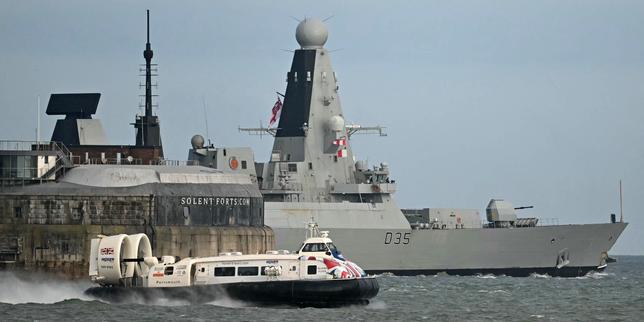
It gets worse for the Royal Navy. The highly anticipated Type 83 destroyer program is officially dead. Cancelled. Instead, the Navy gets a promise of future vessels dedicated to launching naval drones.
Even the UK's stock of Storm Shadow cruise missiles—the very weapons that proved incredibly effective in Ukraine—are reportedly being retired early without an immediate, equivalent replacement. The government is also walking away from the new Skynet 6 secure military communications satellite network. They're cutting core communication links and proven strike weapons to balance the books.
Where the Money Actually Goes
If they're cutting so much, where is that £298 billion going?
The bulk of this cash isn't going to frontline soldiers or new tanks. A massive chunk is being swallowed up by the UK's nuclear program. Over the next four years, £63 billion will go toward strengthening the nuclear deterrent. That means funding the Dreadnought and SSN-AUKUS submarines and developing a brand-new British nuclear warhead.
Even then, a major dependency remains. The UK still relies entirely on American launch technology for those warheads. We are spending tens of billions to build submarines, but Washington still holds the keys to the actual delivery mechanisms.
Beyond the nuclear shield, the big winners are the aerospace majors. The Global Combat Air Programme, which is building a next-generation stealth fighter alongside Japan and Italy, is locked in for more than £8 billion over four years. This move was desperately needed to appease officials in Tokyo, who were growing furious over London's constant funding delays.
Then there's the drone money. The government is spending £5 billion on a complete drone transformation. Within that budget, £650 million is carved out for cheap, expendable autonomous systems. Think small attack drones and uncrewed ground vehicles. This is a direct lesson taken from the battlefields of Ukraine. Cheap, mass-produced drones are rewriting the rules of infantry combat.
The 2.7 Percent GDP Target Explained Simply
The government is making a huge deal about hitting 2.7% of GDP on defense by 2029. Right now, spending sits closer to 2.3%. On paper, moving to nearly £80 billion a year by the end of the decade sounds incredible. It looks like Britain is leading Europe.
But look at the international context. President Donald Trump has been hammering NATO allies to raise their defense spending to 5% of GDP by 2035. Compared to that demand, Britain's 2.7% looks modest.
The defense think tank IISS pointed out that the Strategic Defence Review recommendations actually required an extra €32.5 billion to be fully realized. The extra £15 billion injected into this new plan doesn't even cover half of that deficit. The government is trying to buy a first-class military on a business-class budget.
Industry Jobs and the Economic Pitch
Chancellor Rachel Reeves and the new Defense Secretary, Dan Jarvis, are trying to pitch this as an industrial strategy rather than just military spending. They claim this package will support half a million jobs across the UK by 2030, adding 60,000 new positions.
They also launched a new £50 billion defense export facility through UK Export Finance. The goal is to help British defense firms sell more gear overseas. It sounds great for the economy. Every pound spent on British factories at Faslane, Portsmouth, or Devonport helps local communities. Project Royal Oak will pour £26 billion into upgrading these naval bases over the next decade.
But we have to ask the hard question. Is the primary goal of a military budget to create local manufacturing jobs, or is it to field an army that can win a war tomorrow morning? When you cut helicopters and cancel destroyers to fund long-term factory contracts, you leave a glaring vulnerability in the short term.
What Needs to Happen Next
If you run a business in the defense supply chain, or if you're tracking international security, don't just read the press releases. You need to look at the procurement timelines.
First, watch the tender offers for the £650 million expendable drone contracts. That money will move fast because the military needs to show immediate results. Small tech firms will have a massive advantage here over traditional defense giants.
Second, prepare for ongoing political volatility. Starmer is on his way out. The Cabinet is going to change. A new prime minister could easily audit this plan by the end of the year and alter the funding percentages.
The era of cheap defense is over for the UK, but the era of smart procurement hasn't arrived yet. Keep your eyes on the actual hardware delivery dates, not the political promises.