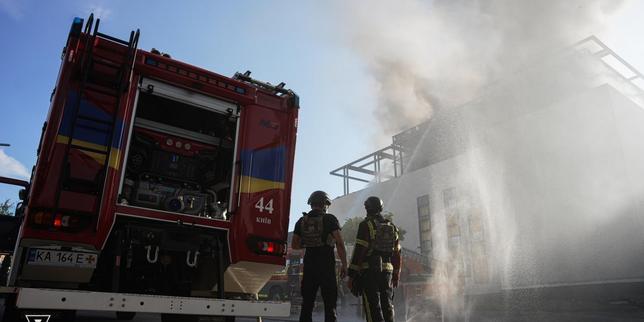
If you’re looking for a sanitized take on the conflict in Ukraine, you won’t find it here. The war is currently locked in a brutal, exhausting cycle. As of late August 2026, we aren't seeing the swift, decisive shifts that defined the earlier years of this struggle. Instead, we’re seeing a grind—a grinding war of attrition where the primary objective often seems to be simply surviving the next wave of missile strikes.
The recent heavy bombardments across Kyiv and the surrounding regions have reminded everyone that no city is truly out of range. Just yesterday, dozens of civilians were killed or wounded in strikes that targeted residential areas. It's a grim reality that has become part of daily life for millions. While the headlines focus on the numbers, it's the sheer persistence of these attacks that should concern you.
Why the Current War of Attrition Matters
Basically, the strategy has shifted from territorial maneuvers to a contest of endurance. The Russian military has adopted a systematic approach, hitting Ukrainian infrastructure and urban centers with relentless frequency. In July and August 2026, the tempo of these strikes increased, forcing Ukraine’s air defense systems to their breaking point.
It’s not just about the missiles. It’s the drones, the decoys, and the constant pressure on the front lines that creates an impossible atmosphere for the civilian population. When you look at cities like Kramatorsk or Sloviansk, where thousands still live despite the proximity of the front, you see the true cost of this stalemate. They aren't just living near a war zone; they are living inside it.
The Political Turbulence Behind the Front Lines
You can't talk about the military situation without looking at the internal state of the Ukrainian government. There’s been significant movement in the leadership, including the appointment of new figures to key roles like the Ministry of Defense and Foreign Affairs. This isn't just bureaucratic reshuffling. It’s a direct response to growing public and international pressure regarding accountability.
Corruption investigations have hit the president's office and financial institutions like Sense Bank. When a country is fighting for its existence, internal instability becomes a strategic vulnerability. It’s hard to maintain a unified front when the administration is busy cleaning house at the highest levels. This is something many analysts gloss over, but it’s crucial if you want to understand why morale isn't just about the battlefield.
The Human Reality of a Frozen Conflict
Think about the displacement. We aren't just talking about millions of refugees who left early on; we are talking about families trapped in occupied areas like Hola Prystan, living without power, water, or reliable food supplies for over a year. They rely on solar panels and sheer luck to survive.
- The Agriculture Crisis: In the south, the fighting has turned fields into death traps. Farmers aren't just losing crops to shelling; they are being hunted. Burning harvests and destroying tractors isn't just a military tactic—it's an effort to starve the economic future of the region.
- The Animal Toll: Local volunteers in places like Kramatorsk are trying to save thousands of abandoned pets. It’s a small, heartbreaking detail that illustrates the total collapse of normalcy.
What to Watch Moving Forward
If you’re trying to track where this goes, ignore the grand promises of quick resolutions. Watch the defensive capabilities. The exhaustion of air defense assets is the single most dangerous trend for Ukraine right now. If the West doesn't fill the gaps in ammunition and interception systems, the frequency of these strikes will only increase.
Also, keep an eye on the prisoner exchanges and the treatment of the wounded. The recent return of severely injured soldiers was a rare moment of humanity, but it also highlights the massive number of people still held in captivity.
Don't expect the front line to move significantly in the coming weeks. The current reality is a messy, bloody, and slow-moving endurance test. The side that manages its resources, its political stability, and its civilian morale the best will be the one that eventually forces a change in the status quo. For now, it's just about getting through the night without another wave of drones.