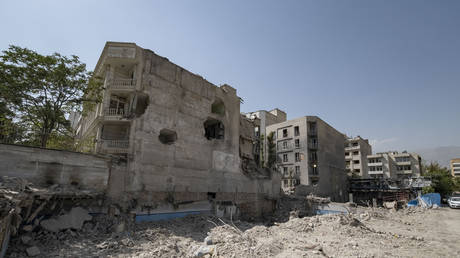
Thirteen straight nights of airstrikes haven't reopened the world's most critical maritime choke point.
If anything, the fire is spreading. In similar developments, take a look at: Why The Sanaa Flight Incident Exposes Iran Supply Lines To The Houthis.
While American bombers pound Iranian coastal defenses, command hubs, and drone storage sites from Qeshm Island to Bandar Abbas, global shipping remains choked. Brent crude breached $100 a barrel after Iran-backed Houthi forces expanded the fight into the Red Sea, hitting Saudi oil tankers like the Encelia.
The math is simple and brutal. Around 20% of global petroleum and liquid natural gas flows through the Strait of Hormuz during peacetime. Add another 12% of global trade passing through the Bab el-Mandeb, and you realize why energy markets are panicking. The New York Times has provided coverage on this critical issue in great detail.
Military strikes alone cannot secure a narrow waterway when one side is willing to wage asymmetric war indefinitely. Here is what is actually happening on the water, behind diplomatic doors, and inside global commodity markets right now.
The Limits of Air Power in Strategic Waterways
Washington's current campaign rests on a classic military concept. Destroy the adversary's command networks, disable their coastal radars, blow up their drone caches, and force them to stop targeting commercial ships. CENTCOM insists the barrage has severely degraded Iranian capabilities.
Yet shipping lines aren't buying it.
You can't secure a narrow maritime strip simply by dropping guided munitions from 30,000 feet. The Strait of Hormuz is barely 21 miles wide at its narrowest point. That gives coastal forces a massive home-court advantage. Tehran doesn't need sophisticated naval fleets to terrorize commercial mariners. They just need cheap anti-ship missiles, fast-attack craft, tethered sea mines, and low-cost kamikaze drones hidden in rugged terrain.
When U.S. strikes hit military positions near Ahvaz, Andimeshk, and Omidiyeh, Iranian units simply disperse. They hide launch platforms in caves, urban bunkers, or civilian industrial zones along the Persian Gulf coast.
Maritime insurers know this. Underwriters have raised war-risk premiums to astronomical levels. Even if a U.S. Navy escort system is technically active, commercial shipowners refuse to risk a $150 million tanker and its crew for a transit fee discount. Over 6,000 seafarers remain stranded across hundreds of vessels stuck in Gulf anchorages. The waterway is functionally closed regardless of how many bombs CENTCOM drops.
A Two-Front Maritime Threat
The situation turned far more dangerous when Yemen's Houthis re-entered the chat.
For months, regional planners hoped that Saudi Arabia's overland East-West Pipeline—which pumps crude across the desert to the Red Sea port of Yanbu—would act as a reliable pressure-relief valve for Gulf crude. That assumption collapsed overnight.
Houthi militants launched anti-ship missiles against Saudi tankers operating off the coast of Al Shuqaiq. The attack set the Encelia ablaze, instantly triggering alarm bells across international shipping hubs from London to Singapore.
By opening a secondary front in the Bab el-Mandeb Strait, Iranian proxies created what shipping analysts at Lloyd's List Intelligence describe as a "double whammy" for international trade.
If tankers can't safely navigate the Persian Gulf, and they can't safely load at Yanbu on the Red Sea, the alternative routes practically vanish. Vessels are forced to take the long way around Africa's Cape of Good Hope. That detour adds 10 to 14 days of travel time, consumes thousands of extra tons of marine fuel, and creates massive supply delays across Europe and Asia.
Rhetoric Hits a Boiling Point in Washington and Tehran
The political rhetoric on both sides has abandoned traditional diplomatic guardrails.
President Donald Trump warned that any future Iranian attack on commercial vessels would trigger direct strikes on civilian infrastructure, specifically bridges and electrical power plants across Iran. He also announced plans to use seized Iranian financial assets controlled by the U.S. government to pay for shipping damages.
Tehran responded with immediate hostility. Iranian Foreign Minister Abbas Araghchi warned that seizing assets sets an "incendiary precedent" that destroys international legal norms. He pledged an "eye for an eye" doctrine against any American or allied infrastructure targets.
Secretary of State Marco Rubio shot back during a regional summit in Manila, calling Washington's policy "a head for an eye" and promising that the cost for Tehran will rise every single night until they back down.
Meanwhile, Iranian Parliament Speaker Mohammad Bagher Qalibaf made Tehran's strategic intent crystal clear. He stated bluntly that the Strait of Hormuz will never return to pre-war conditions. Iran wants to impose tolls, control transit lanes, and assert sovereign authority over traffic passing through the waterway—a demand Washington and its allies view as an existential threat to freedom of navigation.
If Tehran establishes a precedent where a single state can close an international strait at will and extract tolls from global commerce, the entire international trade order fractures. That is why Washington views this fight as non-negotiable, even as war costs climb past $37.5 billion.
The Economic Reality for Global Consumers
The economic shockwaves are no longer theoretical. They're hitting gas pumps and supply chains right now.
- Oil Market Volatility: Crude leaped past $100 per barrel almost immediately following the Red Sea tanker strikes. Energy traders are pricing in prolonged structural disruption rather than a quick tactical resolution.
- Fertilizer and Food Security: The Persian Gulf is a massive export hub for nitrogen-based fertilizers. Disrupted shipments are driving up agricultural production costs globally, threatening higher food prices by late autumn.
- Supply Chain Gridlock: Container lines like Maersk and MSC have suspended Gulf calls or rerouted fleets around Africa, driving up freight container rates by more than 200% since hostilities resumed.
- Domestic Political Friction: In Washington, the U.S. House of Representatives passed a symbolic war powers resolution attempting to halt the military campaign. While the measure lacks the votes to survive a veto, it highlights growing domestic resistance to an open-ended conflict.
What to Watch Next
Don't expect a quick diplomatic breakthrough. The 14-point memorandum signed earlier this summer has completely unraveled, and regional mediators in Pakistan and Turkey report that off-ramps are increasingly scarce.
If you're watching this crisis unfold, keep your eye on three key indicators over the coming weeks:
- Escalation to Critical Infrastructure: Watch whether U.S. forces execute Trump's threat to strike Iranian bridges, power grids, or fuel refineries. If that line is crossed, Tehran will likely target Gulf desalination plants or regional oil processing facilities in retaliatory strikes.
- Naval Convoy Effectiveness: Track whether CENTCOM successfully establishes armed naval convoys through the Strait of Hormuz. If commercial lines refuse to join U.S.-led convoys due to insurance costs, the blockade remains effective regardless of military presence.
- Red Sea Containment: Monitor whether international naval forces can suppress Houthi launch sites along Yemen's western coast to protect the alternative Yanbu crude trade.
Prepare for sustained energy market volatility and elevated shipping surcharges through the rest of the year. The battle for the Strait of Hormuz isn't just a regional conflict anymore—it's a high-stakes test of who controls the arterial waterways of the global economy.