You buy a step stool from a major discount retailer thinking it's a simple, stable piece of household utility. You don't expect it to cost you your life.
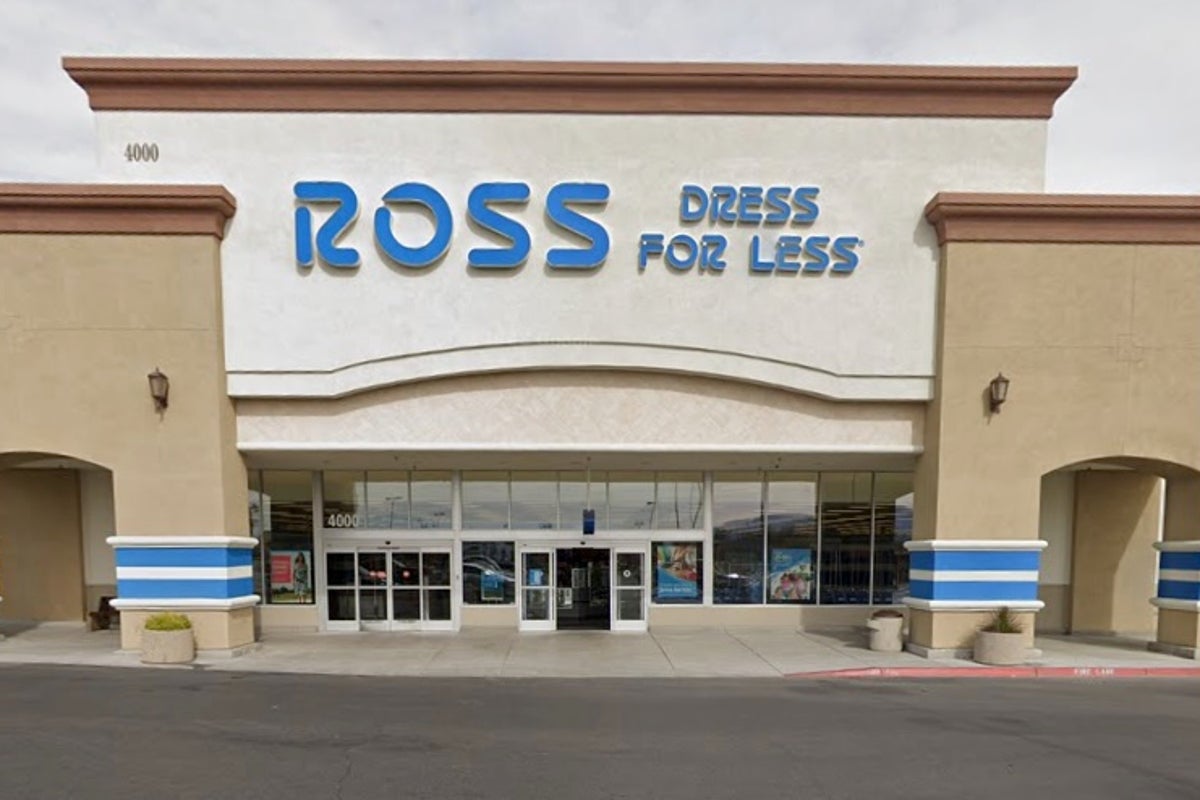
Yet, that is exactly what a new wrongful death lawsuit alleges happened to a 76-year-old Las Vegas man named Jude Anthony Sanchez. A simple household purchase turned fatal when a Juicy Couture-branded step stool purchased at a local Ross Dress for Less location reportedly collapsed under him.
The tragic incident raises massive questions about product liability, discount store supply chains, and the hidden risks consumers face when purchasing cheap home goods. If you frequently shop at off-price retailers, this case isn't just a freak accident. It's a wake-up call about how defective products slip through the cracks and end up in your home.
Anatomy of a Fatal Fall
The details outlined in the lawsuit, filed on June 11, 2026, in the Clark County District Court, paint a stark picture of how quickly a mundane task can turn catastrophic.
On July 30, 2025, Jude Anthony Sanchez was using the step stool to step down from his truck's bed. According to the court documents, the platform of the stool completely collapsed beneath him. The sudden failure threw the 76-year-old to the ground from the height of the truck bed.
The physical toll of the fall was devastating. Sanchez suffered multiple rib fractures. While a broken rib might sound like a temporary, painful setback for a younger individual, it can be a death sentence for seniors. Over the next few weeks, medical complications spiraled. On August 23, 2025, less than a month after the fall, Sanchez died.
The Clark County coroner's office officially ruled the death an accident, citing the cause as complications stemming from those initial multiple rib fractures.
Who Is Blamed in the Lawsuit
When a product fails this drastically, the legal fallout rarely targets just one entity. The estate of Jude Anthony Sanchez is taking a scattershot approach by targeting both the retailer that sold the item and the brand attached to it.
The legal complaint names two primary defendants:
- Ross Stores, Inc.: The parent company of Ross Dress for Less, which operates nearly 2,000 off-price department store locations across the United States.
- Authentic Brands Group: The massive brand management company that owns Juicy Couture, the fashion label widely known for its iconic 2000s velour tracksuits that has since licensed its name out to home goods, perfumes, and everyday accessories.
The lawsuit focuses on a specific purchase location: the Ross store at 2100 N. Rainbow Blvd., Suite 110, in Las Vegas. The estate is suing both companies based on four distinct legal pillars:
- Wrongful Death: Claiming the defective design and sale of the stool directly caused Sanchez's untimely passing.
- Negligence: Alleging the companies failed to properly test, inspect, or ensure the safety of the product before placing it on store shelves.
- Strict Liability: A legal doctrine holding manufacturers and sellers liable if a product is defective, regardless of whether they intented to cause harm or acted with malice.
- Breach of Warranty: Arguing the stool failed to meet the basic, implied promise that it was safe and fit for its intended use as a stable stepping platform.
The estate is seeking general and special damages exceeding $15,000 for each claim, alongside compensation for the extensive medical care costs incurred before Sanchez died, legal fees, and administrative court costs. A jury trial has been explicitly demanded to settle the matter.
The Off-Price Retail Loophole
To understand how a fashion brand like Juicy Couture ends up on a step stool that breaks apart under a consumer, you have to look closely at how modern discount retail operates.
Stores like Ross, T.J. Maxx, and Marshalls rely heavily on a complex supply chain of overstock goods, closeouts, and licensed products. Brands frequently license their logos out to third-party manufacturers who produce items cheaply to fill the shelves of budget stores.
When you buy a branded product at a steep discount, you might think you are getting high-end quality at a fraction of the cost. In reality, you are often buying a budget product manufactured by an anonymous sub-contractor who simply bought the rights to slap a famous logo onto the plastic. This fragmentation makes quality control incredibly difficult to track. When a product is shipped halfway across the world, tossed into bins, and sold for ten bucks, rigorous safety inspections are rarely the priority.
How to Protect Yourself From Defective Home Utilities
While the courts sort out the legal culpability of Ross Stores and Authentic Brands Group, consumers are left holding the bag. Step stools, ladders, and folding chairs are items we trust implicitly with our body weight.
You can protect your household by taking a few strict precautions before trusting your safety to discount plastic or metal utilities.
- Check for Duty Ratings: Genuine utility step stools and ladders are stamped with an ANSI (American National Standards Institute) duty rating. This tells you exactly how much weight the item is rated to hold. If a plastic step stool lacks an explicit weight capacity rating on its label, do not stand on it.
- Inspect the Junctions: Cheap step stools often fail at the hinge points or where the steps lock into the frame. Examine these joints. If they are made of thin, brittle plastic or rely on flimsy metal rivets, pass on them.
- Look Up Recalls Continuously: Retailers are supposed to pull recalled items, but defective stock routinely stays on shelves or ends up in secondary discount markets. Check the U.S. Consumer Product Safety Commission (CPSC) database regularly before buying utility hardware from off-price liquidators.
- Avoid Over-Extension: Never use a small, decorative household step stool for heavy-duty tasks like loading or unloading a truck bed. If you need to access a vehicle bed, invest in dedicated automotive stepping gear or heavy-duty, commercial-grade work platforms built to handle uneven outdoor surfaces.
The tragedy in Las Vegas serves as a sobering reminder that a bargain isn't always a bargain. Sometimes, the real cost of a cheap piece of furniture is far higher than the price tag on the bottom.