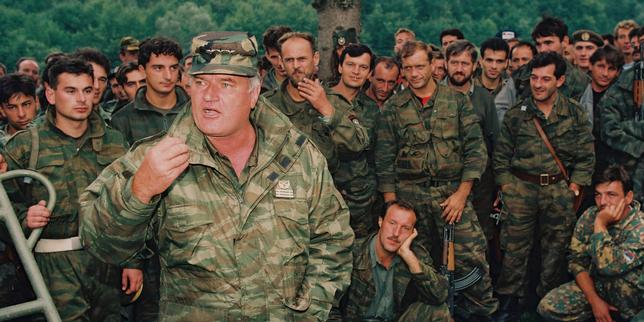
Ratko Mladic died in a United Nations detention facility at age 84, taking decades of unrepentant nationalism and war secrets to his grave. Known globally as the Butcher of Bosnia, the former Bosnian Serb military commander spent his final years battling failing health in The Hague rather than facing an acceptance of his horrific crimes. For victims and survivors of the 1990s Balkan conflicts, his death brings little emotional closure, serving instead as a stark reminder of a dark chapter that parts of the Balkans still refuse to reckon with properly.
The Architect of Brutality in the Balkans
Mladic wasn't born a monster; he was shaped by the fractured politics of a collapsing Yugoslavia. Born in rural Bosnia in 1942, he watched his father die fighting fascist forces during World War II. That early trauma forged a rigid military mindset. He climbed through the ranks of the Yugoslav People's Army, eventually transforming from a disciplined communist officer into a ferocious nationalist warlord.
When Bosnia-Herzegovina declared independence in 1992, Mladic took command of the Army of Republika Srpska. His objective was clear, violent, and brutally executed: force out non-Serbs to carve out a homogenous territory. Under his direct orders, his troops trapped Sarajevo in a suffocating four-year siege. Snipers and mortar shells turned a thriving European capital into a daily killing field where over 10,000 residents lost their lives.
Srebrenica and the Worst Massacre Since World War II
The defining atrocity of Mladic's career unfolded in July 1995. His forces overran Srebrenica, a UN-designated safe area meant to protect vulnerable civilians. In cold blood, his troops systematically executed at least 8,000 Muslim men and boys over several days, dumping their bodies into mass graves.
Footage captured Mladic walking through the captured town, casually handing out candy to terrified children while his soldiers prepared the mass slaughter. It was a chilling display of utter detachment. He viewed the genocide not as a crime, but as long-awaited revenge against centuries of Ottoman rule.
Sixteen Years on the Run
Indicted by the International Criminal Tribunal for the former Yugoslavia in 1995, Mladic managed to vanish. For over a decade, he lived a remarkably comfortable fugitive life. Protected by loyal elements within the Serbian military and political establishment, he walked freely in Belgrade, dined in elite cafes, and attended soccer matches.
Many ordinary Serbs shielded him, viewing him as a patriotic defender rather than a war criminal. International pressure eventually mounted, forcing Serbian authorities to arrest him quietly in 2011. He didn't fight back. Years of strokes had left his body partially paralyzed, stripping away the physical intimidation he once relied on.
Justice Denied by Denial
In 2017, the UN tribunal finally handed down a life sentence for genocide, war crimes, and crimes against humanity. An appeals court confirmed the ruling in 2021. Throughout the proceedings, Mladic ranted, insulted judges, and played the victim. He spent his final months attempting to secure a compassionate release to die in Serbia, citing terminal illness. The court refused, ensuring he served his time behind bars.
Even now, reality remains distorted in parts of the region. While survivors carry permanent scars, extremist strongholds still hail Mladic as a fallen hero, painting giant murals in his honor. His death closes a legal chapter, but the institutional denial of his crimes keeps old wounds wide open across the Balkans.