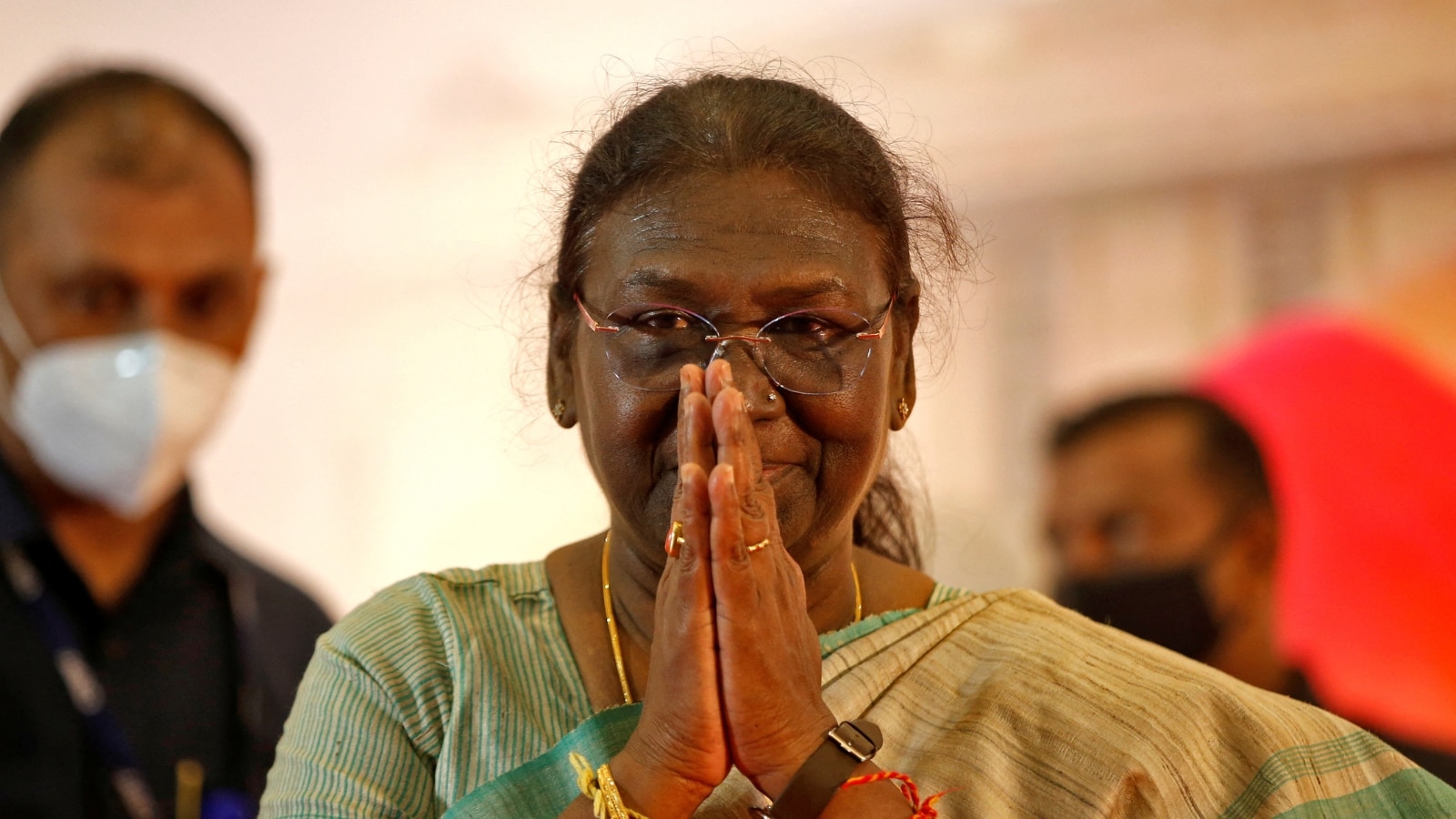
When President Droupadi Murmu stepped off the aircraft in Skopje, it wasn't just another routine state visit on the calendar. It marked the first time an Indian head of state set foot in North Macedonia.
Diplomatic headlines often get buried in dry, policy-heavy jargon about bilateral trade frameworks and multilateral pacts. But look past the ceremonial handshakes and red carpets. This trip carries serious weight, blending emotional historical ties with strategic trade ambitions that standard media outlets completely overlooked.
A Historic Milestone in Skopje
President Murmu arrived in North Macedonia as part of an official European tour. Her schedule kicked off with high-level bilateral talks alongside North Macedonian President Gordana Siljanovska-Davkova. Meetings followed with Prime Minister Hristijan Mickoski and Speaker of the Assembly.
"These state visits are being undertaken at the invitation of the heads of state, marking a historic moment as India expands its footprint in Central and Eastern Europe," noted Sibi George, Ministry of External Affairs Secretary (West) during a pre-visit briefing.
It's easy to dismiss these diplomatic gatherings as formal photo-ops. Don't make that mistake. North Macedonia sits at a strategic crossroads in the Balkans, offering duty-free export access to European Union member nations. For Indian businesses targeting European supply chains, Skopje represents an under-utilized back door.
The discussions focused heavily on concrete economic sectors:
- Pharmaceuticals & Healthcare: Expanding Indian generic drug manufacturing presence in Balkan healthcare systems.
- Information Technology: Linking India's tech ecosystem with North Macedonia's growing digital infrastructure.
- Agricultural Tech: Streamlining trade protocols for agricultural products and food processing technology.
Paying Tribute at the Mother Teresa Memorial House
Beyond business meetings and legislative addresses, one specific stop carried deep personal and national meaning: President Murmu’s visit to the Memorial House of Mother Teresa in central Skopje.
Many people forget that Saint Teresa was born Agnes Gonxha Bojaxhiu right here in Skopje back in 1910, decades before she moved to Kolkata and captured the world's heart with her humanitarian work. The memorial house stands on the exact site of the former Sacred Heart of Jesus Catholic Church where she was baptized.
President Murmu toured the glass-and-stone complex, paying homage to a shared historical thread between the two nations. Inside, the museum preserves key personal artifacts, including her signature white-and-blue sari, hand-written letters, and copies of her 1979 Nobel Peace Prize documentation.
Honoring Mother Teresa in her hometown isn't just about soft diplomacy. It highlights a genuine human connection that anchors official relations between New Delhi and Skopje far better than any commercial agreement could.
What Most Media Outlets Missed About This Visit
If you read standard news coverage, you get the basic facts: President Murmu arrived, talked to politicians, visited a memorial, and left. That surface-level reporting skips the real backstory.
First, there's the security factor. North Macedonia has consistently backed India on global counter-terrorism initiatives, explicitly condemning major attacks and supporting New Delhi's draft for the Comprehensive Convention on International Terrorism at the UN. Aligning security narratives with a Balkan nation gives India an active, supportive voice right inside Europe's backyard.
Second, look at the economic timing. European trade dynamics are shifting rapidly. Indian firms face rising logistics costs and complex regulatory barriers entering Western Europe directly. North Macedonia positions itself as an operational hub. By co-hosting the India-North Macedonia Business Forum with Prime Minister Mickoski, President Murmu actively cleared regulatory pathways for Indian investments in Balkan IT and pharma hubs.
Next Steps for Indian Businesses and Observers
If you're tracking international relations or looking at European market entry, don't ignore Eastern Europe. Here is what you should do next to leverage these developments:
- Monitor Joint Trade Protocols: Watch for upcoming announcements from the Ministry of External Affairs regarding reduced tariffs or simplified licensing in the pharma and tech sectors.
- Explore Balkan Hubs: Indian business founders looking to sell into the EU market should evaluate North Macedonia's special economic zones, which offer access to EU trade routes.
- Track Bilateral Commitments: Follow progress on parliamentary friendship group initiatives, which usually signal incoming bilateral tax agreements or streamlined visa processes.