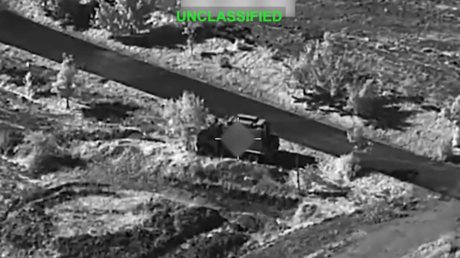
The howling of air raid sirens cutting through the dark morning air in Lublin wasn't a drill. When overnight Russian strikes target western Ukraine, eastern Poland turns into a tense frontline zone where a single stray vector can ignite a regional crisis.
You wake up to phone alerts and emergency broadcasts because modern cruise missiles fly dangerously close to European Union borders. Let's look at what actually happens when airspace alerts light up command centers in Warsaw and why these terrifying border incidents keep repeating. Recently making waves in this space: Why The Federal Terror Conviction In The Salman Rushdie Stabbing Changes Everything.
The Reality of Eastern Flank Air Defense
When a massive barrage of Russian long-range ordnance targets Ukrainian infrastructure, air defense networks across NATO member states go live instantly. Ground-based radar systems and early-warning aircraft track every launch coming from strategic bombers.
Poland's Operational Command doesn't wait around for confirmation when projectiles start shifting trajectories near the border. Fighter jets scramble into the night sky to establish a combat air patrol posture. Additional insights on this are detailed by Wikipedia.
- Radars track high-speed objects near sovereign boundaries.
- Fighter aircraft activate to monitor potential trajectories.
- Civil defense authorities issue localized public warnings.
It's chaotic. It's stressful. And for residents living near the Ukrainian border, it brings the grim reality of war right to their doorsteps.
Why Trajectories Blur Near the Border
Cruise missiles aren't just straight-line projectiles. They use complex flight paths, waypoint programming, and terrain-masking maneuvers to evade anti-air batteries inside Ukraine. When these weapons fly parallel to the border region near Lviv or Volyn, navigation adjustments or electronic jamming can cause them to drift.
Even a momentary dip across a national boundary triggers automated security protocols. Military analysts point out that tracking data must be verified in seconds. Was it an intentional probe? Was it a mechanical malfunction? Or was it simply a missile cutting corners to bypass defenses?
Commanders have to make split-second threat assessments while the public hears sirens wailing in the dark.
The Protocol When Alarms Sound
If you're wondering what local authorities actually do during these high-stress windows, the response relies on a strict tier of military readiness.
First, the Government Security Centre issues direct warnings to regional offices. Towns like Lublin activate public alert systems because falling debris or stray guidance systems pose an immediate physical hazard.
Second, allied air assets coordinate tracking handoffs. NATO radar systems share telemetry data with Polish commanders to ensure complete situational awareness along the eastern frontier.
Third, diplomatic channels prepare formal inquiries. Whenever an incursion or near-miss happens, foreign ministries demand immediate explanations from Moscow, turning a tactical border scare into a diplomatic standoff.
Living Next Door to a Warzone
You can't live on the edge of an active conflict zone without feeling the psychological toll. Every loud noise in the early hours brings back anxiety. Local officials spend hours calming panicked residents who share blurry video footage of illuminated night skies on social media platforms.
The threat isn't hypothetical anymore. Years of escalating missile campaigns mean border communities have learned to distinguish between routine air patrols and actual emergency alerts. Governments must balance transparency with operational security, keeping citizens informed without causing mass panic.
As long as long-range strikes continue targeting western regions of Ukraine, these nighttime scrambles and screaming sirens will remain part of the new normal for eastern Europe's defense architecture.
Stay alert to official regional security updates, and always verify emergency notifications through accredited national civil defense channels rather than unverified social media rumors.
NATO member Poland says Russian missile violated its airspace | DW News
This video provides an in-depth military analysis of how NATO member Poland monitors airspace violations and manages defensive responses during major missile attacks on Ukraine.
http://googleusercontent.com/youtube_content/1