Warsaw and Manila are quietly rewriting the rules of global arms trade. Stop looking only at Washington and Beijing for defense shifts. A massive helicopter contract just cleared the runway for something much bigger.
Poland finished delivering thirty-two S-70i Black Hawk helicopters to the Philippine Air Force, wrapping up a massive 32 billion peso acquisition built through PZL Mielec, a Polish subsidiary of Sikorsky. But Warsaw isn't packing up its blueprints. Polish officials are actively pushing for a much deeper military partnership with Manila.
Beyond the Rotor Blades
Why does this matter right now? European rearmament is driving countries to look far beyond their immediate neighborhoods for reliable partners. Poland is pouring nearly $50 billion into upgrading its own domestic defense sector, fueled by urgency and a changing geopolitical landscape in Europe. They aren't just buyers anymore. They want to be major global exporters.
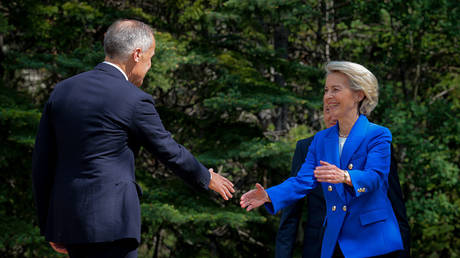
During recent political consultations in Manila, Polish Deputy Minister of Foreign Affairs Wladyslaw Bartoszewski made it clear that helicopters were just the opening act. A Philippine military delegation already traveled to Poland to inspect what else is on the shelf.
The shopping list on the table goes deep. Poland is marketing:
- Reconnaissance and combat drones
- Advanced radar systems
- Portable anti-aircraft missiles
- Armored personnel carriers
- Specialized naval equipment like mine-fighting vessels
- Joint cybersecurity frameworks to protect critical energy grids and hospitals
What Analysts Miss About the Polish Strategy
Most defense commentators frame this as a simple transactional hardware sale. That's a mistake. International relations experts note that Poland is trying to escape the trap of being an import-dependent nation. By building out robust manufacturing capabilities at home, Warsaw can offer weapons systems that balance Western military standards with high cost-effectiveness.
For the Philippines, diversifying suppliers makes total sense. Manila faces persistent security pressures in the South China Sea and endless internal defense demands. Relying entirely on traditional heavyweights like the United States or South Korea creates bottlenecks. Partnering with a motivated European player like Poland gives the Philippine military more leverage, better pricing, and reliable maintenance pathways.
Look at the mechanics of the Black Hawk deal. It proved that Polish manufacturing could handle multi-billion-dollar commitments across complex delivery timelines, ending with the final batch arriving right on schedule. When a mid-tier European defense hub delivers on time, developing militaries take notice.
The Broader Geopolitical Ripple Effect
Warsaw's aggressive outreach mirrors a broader trend. The war in Ukraine and shifting security guarantees have forced European states to industrialize their military output at a blistering pace. Once you scale up factories to supply a continental war, you need international markets to keep those production lines humming once domestic demand cools.
At the same time, Southeast Asia is transforming into one of the most active defense-procurement markets on earth. Countries in the region want tech transfers, not just finished products. If Poland can offer flexible defense-industrial cooperation—such as local maintenance, repair, and overhaul facilities—these ties will outlast any single administration in Manila or Warsaw.
Expect to see more cross-continental defense pacts that ignore traditional Cold War geographic boundaries. Middle powers are tired of waiting for superpowers to dictate their security options. Poland and the Philippines are proving that middle-tier nations can build their own strategic safety nets.
Check the upcoming defense modernization budget allocations in Manila. Watch for formal agreements on drone technology sharing and radar integration over the next twelve months. The Warsaw-Manila axis is open for business.