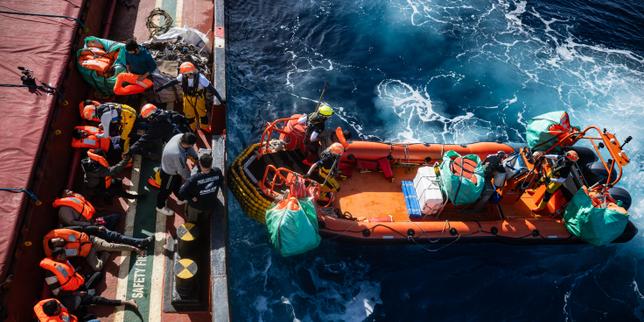
The waters of the central Mediterranean are turning into a zone of direct confrontation. When rescue boats become targets rather than safe havens, the rules of maritime law shatter completely. SOS Méditerranée just released a stark warning detailing an alarming surge in violent interceptions and direct harassment at sea.
If you think this is just standard border control, you're missing the bigger picture. The operational reality facing humanitarian crews right now involves high-speed pursuits, deliberate collisions, and armed intimidation.
The Reality of Increased Hostility in Central Mediterranean Waters
Between June and July, SOS Méditerranée documented at least seven separate incidents where vessels linked to Libyan actors or unidentified groups aggressively tracked humanitarian ships. These aren't passive observations. These boats approach at breakneck speeds, tailing rescue missions for hours even when operating strictly within international waters.
Let's look at the numbers. According to the International Organization for Migration (OIM), 821 people died or went missing during just the first four months of 2026. That marks a staggering 111% jump compared to the previous year, even as total crossing attempts dropped by 46% to 8,577 recorded arrivals. Fewer people are crossing, but the journey is exponentially more lethal.
Why is this happening? Humanitarian organizations point directly to European outsourcing strategies. By funding, equipping, and empowering local deterrent actors in North Africa, European nations have effectively created a chaotic vacuum where accountability vanishes.
Memory of Bullets and Unpunished Attacks
The hostility isn't theoretical. Exactly one year ago, the Ocean Viking—the flagship rescue vessel operated by SOS Méditerranée—was targeted in international waters. A Libyan patrol vessel opened fire, unleashing a barrage of over one hundred bullets for twenty minutes straight while 87 rescued survivors and the crew sheltered on board.
Miraculously, no one died during that specific assault. Yet, despite formal legal filings across Italy, France, and Germany, absolute silence remains the default response from European institutions. No meaningful investigations have produced accountability, signaling to armed factions along the North African coast that violent obstruction carries zero consequences.
Armed speedboats linked to various regional militias now routinely ram flimsy migrant dinghies, sinking them intentionally under the guise of border enforcement.
Why European Policies Are Fueling the Crisis
Public discourse often treats migration as a political abstraction debated in air-conditioned capitals. On the water, it's a matter of life and death governed by international maritime law, which mandates that anyone in distress must be rescued and brought to a safe port.
Libya cannot legally be considered a safe place, given the documented human rights abuses awaiting anyone returned there. Yet, European migration policies heavily rely on intercepting boats before they reach safety, outsourcing the dirty work to entities operating outside transparent legal frameworks.
When you strip away state-backed search and rescue operations and criminalize civilian NGOs, lawlessness fills the void. The rise in violent harassment against ships like the Ocean Viking is a direct consequence of looking the other way.
Support independent maritime monitoring, demand transparency from national governments regarding regional agreements, and stop treating humanitarian rescue as a political inconvenience.