Don't stare at the interest rate dial today. It isn't moving.
The Federal Open Market Committee (FOMC) will wrap up its meeting at 2:00 PM Eastern Time, and everyone on Wall Street knows the benchmark interest rate is staying locked between 3.5% and 3.75%. If you're hoping for a rate cut, you're looking at the wrong map.
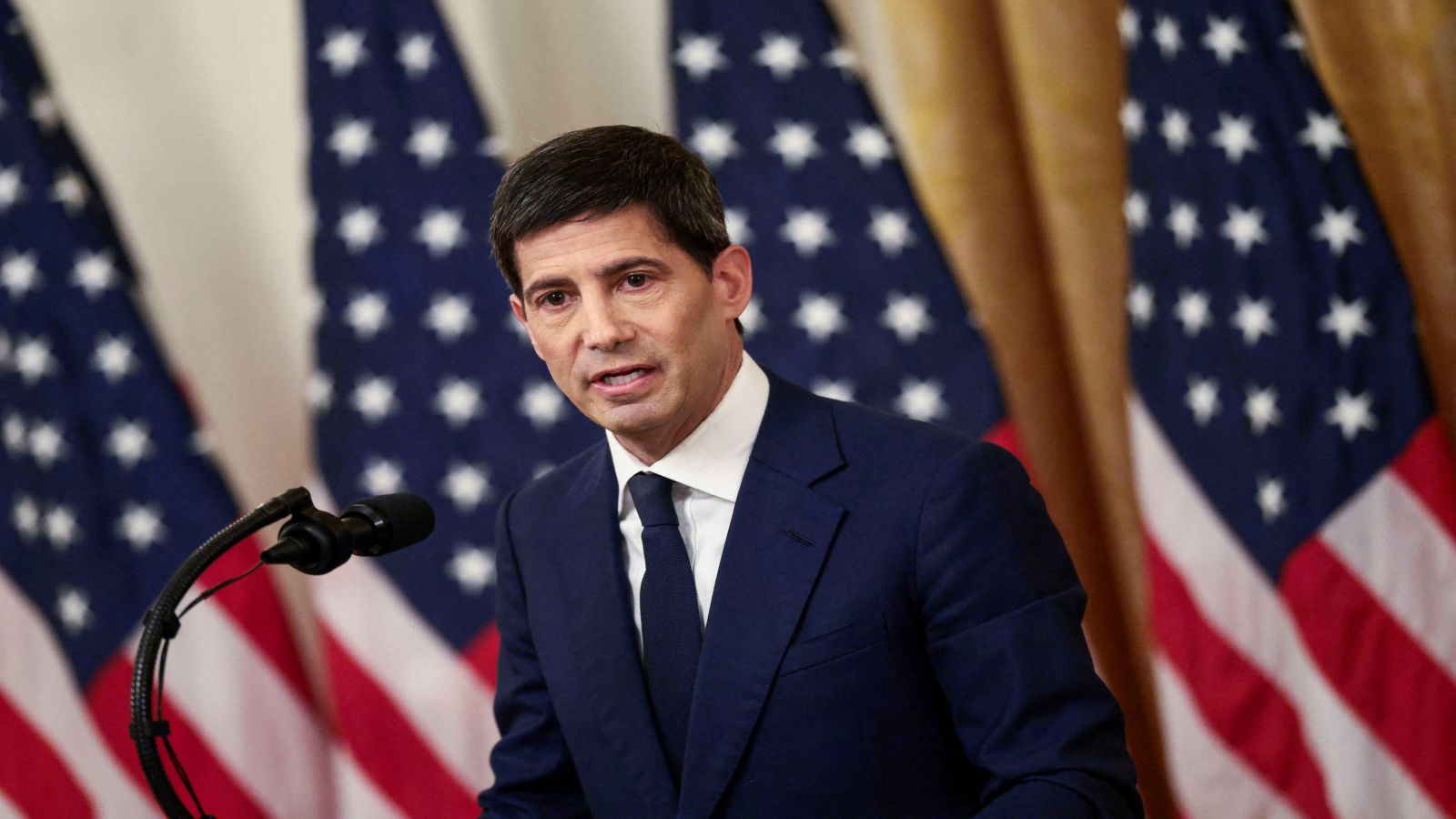
This specific US Fed meeting today matters for a completely different reason. It marks the formal debut of Kevin Warsh as the Federal Reserve Chair. While retail investors waste time checking live feeds for a rate change that isn't coming, institutional money is watching how Warsh rewrites the central bank's playbook.
If you want to track the outcome live, the official FOMC policy statement and the updated Summary of Economic Projections (SEP) drop at exactly 2:00 PM ET on the Federal Reserve Board’s website. Half an hour later, at 2:30 PM ET, Warsh steps up to the microphone for his first-ever press conference as chair, which streams live on the Fed's official YouTube channel and across major financial news networks.
But don't get distracted by the broadcast logistics. Here is what is actually at stake.
The Illusion of the Easing Bias
Most market commentators are still trapped in a 2025 mindset, waiting for the central bank to resume cutting rates. They're missing the massive shift right in front of them. The December 2025 dot plot, which penciled in a neat path of rate cuts for 2026, is completely dead.
Geopolitics broke that model. The conflict with Iran pushed May Consumer Price Index (CPI) inflation up to a stinging 4.2% annualized rate. Even though a provisional peace deal has started dragging crude oil prices back below $80 a barrel, the downstream inflation is already baked into the supply chain. You can't just wish away a three-year high in inflation.
Smart money isn't looking for a cut. They're trying to figure out if the Fed is about to hike.
At the last meeting under the previous regime, four policymakers dissented because they wanted to strip out the language hinting at future rate cuts. With hiring numbers remaining incredibly hot and unemployment hovering at 4.3%, the domestic economy isn't screaming for rescue. It's overheating. Expect the Fed to officially drop its easing bias today.
Watch the Median Dots, Not the Statement
If you want to know where your mortgage, credit card, and business loan rates are heading for the rest of the year, ignore the policy statement prose. Look at the dot plot.
- The Old Forecast: One or two cuts projected for late 2026.
- The New Reality: A flatline. The median dot will likely show the Fed staying on hold through December.
- The Hawkish Risk: At least three or four FOMC voting members are expected to plot an outright rate hike before the year ends.
If the median dot moves up, Treasury yields will spike instantly. It means the cost of capital stays higher for longer, crushing any hopes of an early corporate refinancing boom.
Why the Warsh Era Changes Communication
Kevin Warsh didn't take this job to play nice with forward guidance. For years, he argued that the Fed talks too much. He believes that giving markets a highly specific roadmap binds the hands of policymakers, making them slow to react when real-world crises hit.
There's a strong chance Warsh takes a cleaver to the traditional policy statement formatting. He wants to eliminate the hyper-managed forward language altogether. Instead of parsing whether the Fed will take "additional adjustments," we might see a blunt, data-dependent statement that promises absolutely nothing about the next meeting.
This brings us to the political elephant in the room. President Trump has been highly vocal about wanting lower interest rates to fuel growth. Warsh was chosen for this role, yet his first major act is presiding over an economy that requires tight monetary policy. Today is his first real test of institutional independence. If he kills forward guidance and signals a flat or rising rate environment, he sends a clear message to the White House: the Fed isn't a political tool.
Your Immediate Next Steps
Stop waiting for a friendly macroeconomic environment to bail out your portfolio or your business planning. Assume the cheap money era isn't coming back this year.
First, look at your debt structure right now. If you're holding variable-rate corporate debt or waiting to lock in a commercial mortgage because you think rates will drop by winter, change your timeline. The floor for interest rates has shifted higher.
Second, watch the 2:30 PM press conference specifically for how Warsh handles the phrase "neutral rate." The long-run neutral rate—the theoretical interest rate that neither stimulates nor drags the economy—is currently estimated at 3.1%. If Warsh or the Summary of Economic Projections moves that baseline anchor upward, it means the entire interest rate structure for the next decade is moving up with it. Lock in fixed yields while the market adjusts to the new leadership.