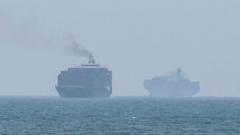
Negotiations over the Strait of Hormuz are moving forward, but don't mistake diplomatic optimism for an imminent reopening of the world's most critical energy chokepoint. Muscat has framed ongoing discussions between Iran and Omani mediators as constructive, yet Tehran continues to make it clear that a technical navigation pact won't automatically swing the gates wide open for international shipping.
If you are following global energy markets or maritime logistics, the nuance here matters immensely. A localized shipping agreement with Oman does not mean the broader geopolitical crisis in the Persian Gulf is solved.
Why an Oman Deal Doesn't Equal Open Waters
Iranian foreign ministry officials and Omani diplomats have spent weeks mapping out specific geographic coordinates for transit corridors. This technical coordination aims to designate safe routes for commercial vessels navigating past regional tensions. On paper, it looks like progress.
Tehran's leadership maintains a hard stance. Senior security officials have repeatedly stressed that the waterway will remain heavily restricted until the United States completely shifts its posture, lifts its naval blockades, and halts military interventions targeting Iranian interests.
In other words, Iran views the navigation arrangement with Oman as a localized administrative framework, not a capitulation to Western pressure. Tankers might get a designated path, but safety isn't guaranteed unless Washington meets a much steeper price.
The Real Stakes in the Gulf
Before the conflict erupted, roughly a fifth of the world's petroleum passed through this narrow maritime passage. When traffic slows or stops, energy prices spike globally almost overnight.
Right now, vessel traffic through the strait has plummeted to historic lows compared to pre-conflict averages. Tankers crossing the chokepoint frequently switch off their transponders or stick rigidly to approved lanes to avoid becoming targets in the ongoing tit-for-tat military exchanges.
Oman finds itself in the classic, difficult position of a neutral Gulf mediator. Muscat has officially condemned attacks on commercial vessels while simultaneously hosting intense diplomatic backchannels to prevent total economic catastrophe. They want a functioning corridor, but they cannot dictate Washington's military actions or Tehran's ultimate security demands.
Breaking Down the Core Misconceptions
People often look at these negotiations through a purely binary lens: either the strait is closed, or it is open. Reality is much messier.
- The transit route fallacy: Agreeing on GPS coordinates for a shipping lane is vastly different from demilitarizing a war zone.
- The third-party factor: Tehran openly blames the US for maintaining the underlying threats—such as naval blockades—that make the passage hazardous in the first place.
- Internal Iranian dynamics: Reformist voices within the Iranian administration lean toward accepting pragmatic deals to relieve economic pressure, while security hardliners insist the strait is a primary instrument of strategic defense that won't be surrendered cheaply.
What Happens Next for Global Shipping
Don't expect a sudden return to normal maritime operations. Even if a formal joint statement emerges from the Omani-Iranian talks, insurance syndicates, shipping executives, and naval commanders will look at actual ground security rather than diplomatic communiqués.
Monitor the status of secondary economic sanctions and US naval positioning in the region rather than just the headlines about diplomatic smiles in Muscat. That is where the actual reality of the strait's future is being decided.