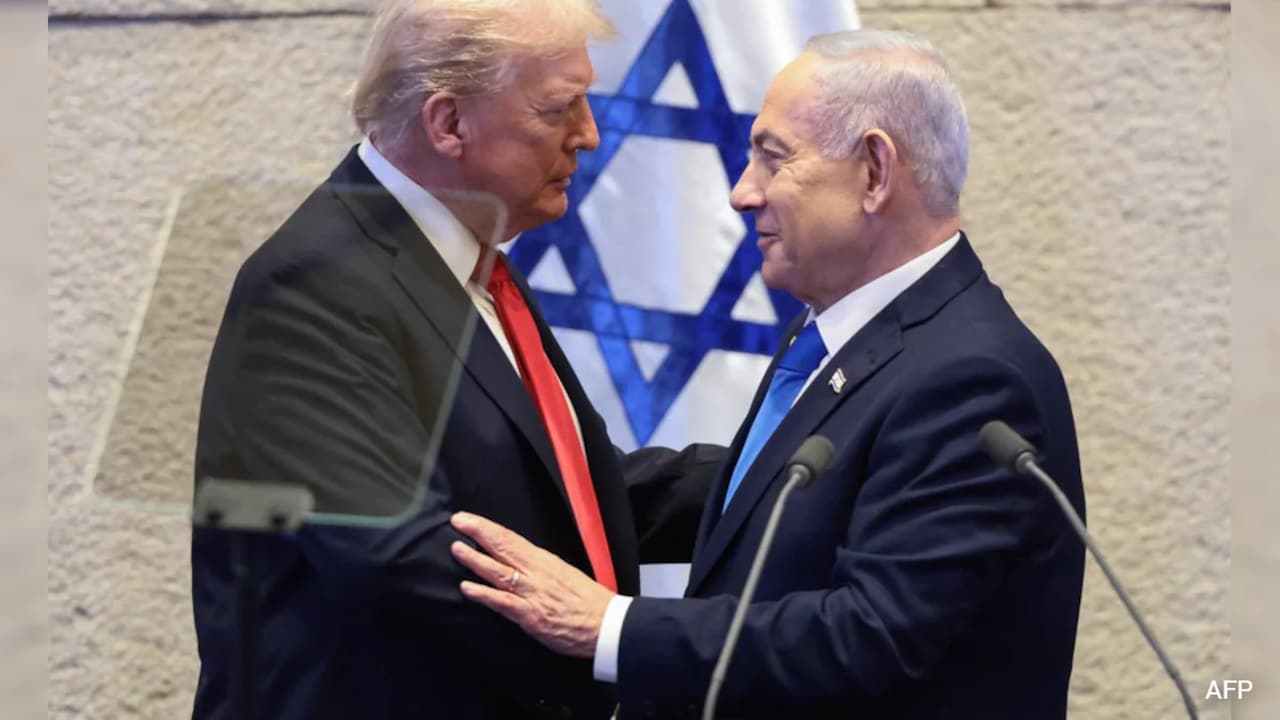
Diplomatic statements usually hide more than they reveal. If you read the official readout of the latest Trump and Netanyahu phone call, you might think the alliance is perfectly solid. The Israeli Prime Minister congratulated the US President right ahead of the historic 250th American Independence Day. He called America the ultimate guarantor of global freedom. They agreed to meet face-to-face in the United States very soon.
It looks neat on paper. It sounds like two old allies getting back on track.
But it's mostly theater.
If you want to understand what's actually happening to global security right now, you have to look at the massive cracks behind the polite diplomatic script. This wasn't just a friendly chat to celebrate a big American holiday. It was a high-stakes effort to manage deep strategic friction that has been boiling over for months.
The Real Friction Behind the Warm Words
The official statements completely skipped the elephant in the room. Just last month, the US and Iran signed a major framework peace agreement. It blindsided the Israeli government. For years, Israel counted on absolute Washington backing to isolate Tehran. Now, the White House is cutting deals with Israel's chief adversary to stabilize regional trade and security.
Netanyahu's administration is privately furious about this shift.
The disagreement isn't a minor policy dispute. It is a fundamental clash of national interests. Washington wants to extract itself from endless regional conflicts. Israel sees any diplomatic breathing room given to Iran as a direct threat to its survival.
When you look at the Trump and Netanyahu phone call through this lens, the agreement to meet "soon" changes meaning completely. It is not a victory lap. It is an emergency summit called because both leaders realize their public disagreements are starting to look dangerous.
The Lebanon Complication and the Secret Washington Guest
There is another layer to this story that most mainstream outlets are buried under standard talking points. The upcoming meeting at the White House won't just be a two-way conversation. Reports coming out of the Israeli public broadcaster Kan indicate that Lebanese President Joseph Aoun is scheduled to visit Washington around the exact same time.
The White House is trying to engineer a direct conversation between Netanyahu and Aoun.
This is incredibly bold. Lebanese officials historically reject direct, open contact with Israeli leadership due to decades of conflict and intense domestic political pressures. Trump has openly criticized Netanyahu recently over how Israel has handled operations along the northern border. He wants a settlement. He wants the fighting in Lebanon to stop so his administration can focus on verifying the fragile Iran peace framework.
Netanyahu faces a completely different reality back home. His political survival depends on maintaining a tough, uncompromising security stance. Giving in to American pressure to dial back military operations makes him look weak to his domestic coalition.
Here is what the two leaders are actually balancing heading into this meeting:
- The US Position: Lock in the Iran framework, stop the border flare-ups with Lebanon, and prevent a broader regional war that drags American troops back into the area.
- The Israeli Position: Force modifications to the US-Iran deal, maintain total freedom of military action in Lebanon, and ensure Washington's military aid keeps flowing without political conditions.
What This Means for Global Markets and Regional Stability
This isn't just a story for political junkies. The outcome of these upcoming Washington talks will directly impact international oil prices, shipping security in the Mediterranean, and defense spending across the West.
If the White House successfully pressures Israel into a diplomatic accommodation with Lebanon, expect regional risk premiums on energy to drop fast. If the meeting falls apart and Netanyahu refuses to budge, the conflict along the northern border could expand. That would immediately threaten the durability of the US-Iran framework agreement and send shockwaves through international markets.
We are looking at a messy, unpredictable negotiation process. Don't let the glossy press releases fool you.
How to Track the Real Impact of This Diplomacy
Stop reading the generic corporate news summaries. If you want to know if the upcoming meeting is actually working, watch for these specific indicators over the next few weeks:
- Monitor the rhetoric regarding the northern border. Watch if Israeli officials tone down their warnings about Lebanon or if military deployments change. Any sudden reduction in border strikes means Washington's pressure is working.
- Track the official schedule of President Joseph Aoun. If his Washington visit aligns perfectly with Netanyahu's arrival, a trilateral or back-channel negotiation is definitely happening.
- Look closely at the wording around Iran. If Israel stops publicly attacking the US-Iran framework agreement, a compromise on intelligence sharing or defense guarantees has likely been reached behind closed doors.
The public statements will keep telling you everything is fine. The real answers will live in the policy shifts. Keep your eyes on the border movements and the specific wording of future defense packages. That's where the real truth hides.