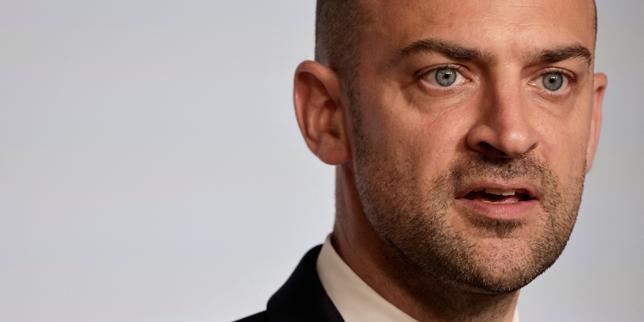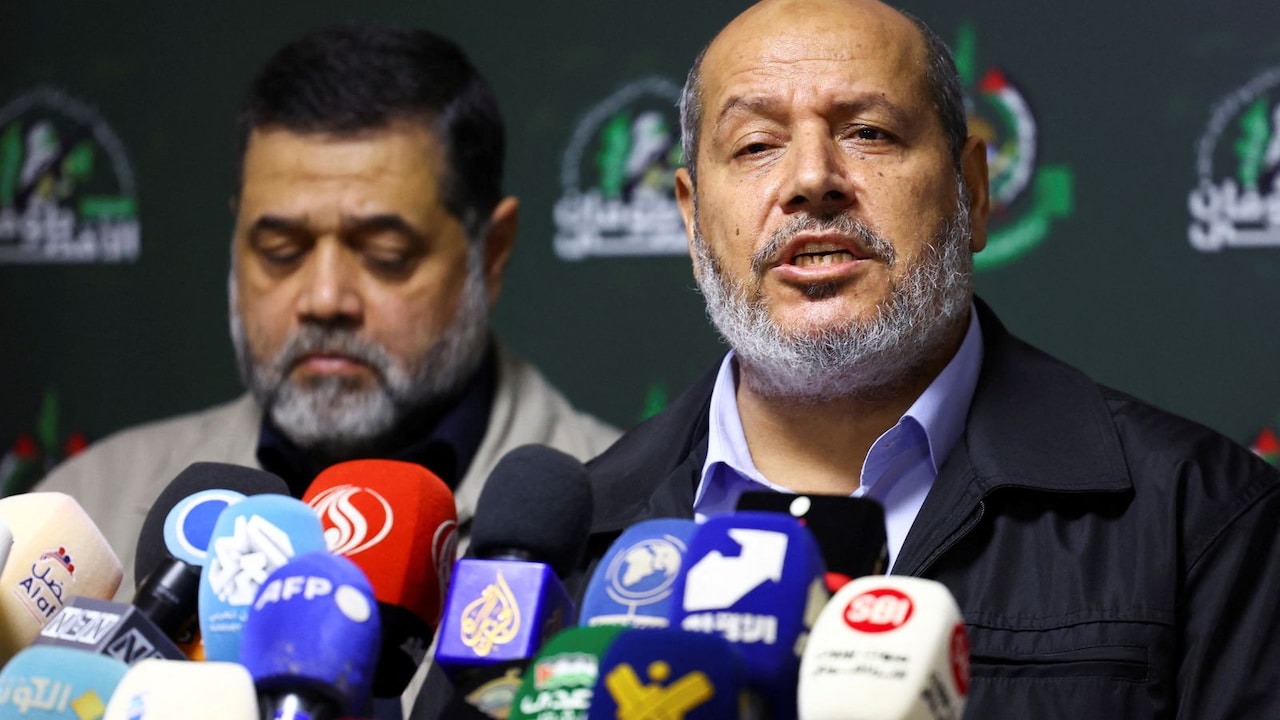
High-stakes diplomacy rarely follows a predictable script, especially when the key players operate behind decades of conflict, shifting alliances, and deep distrust. When US negotiator Jared Kushner met with Hamas leader Khalil al-Hayya in Egypt, it wasn't just another routine diplomatic stop. It marked a crucial collision point between Washington's renewed push for regional restructuring and the gritty, hardline realities of Palestinian militant leadership. Most international observers focus entirely on the optics of the meeting, missing the structural shifts happening beneath the surface.
If you want to understand why this matters right now, you have to look past the surface headlines. Khalil al-Hayya isn't a newcomer stepping into a temporary role. He took the helm as the overall chairman of the Hamas Political Bureau, stepping into a massive power vacuum after years of high-profile assassinations and intense military pressure. Surviving multiple targeted attacks and losing close family members to airstrikes over the decades, al-Hayya represents a hardened core of leadership that bridges military operations and external diplomatic maneuvering. For years, he operated as the public face of Hamas in exile, handling negotiations from bases in places like Qatar while maintaining tight links to the ground forces inside Gaza.
The recent face-to-face discussions involving Kushner, regional mediators from Egypt, Qatar, and Turkey, and international bodies like the US-created Board of Peace center on a demanding 15-point roadmap. The core of the proposal is simple on paper but explosive in practice: Hamas must disarm and step away from future governance, while Israeli forces withdraw and an international stabilization force steps in. Al-Hayya's camp has signaled willingness to hand over governing authority to a technocratic Palestinian committee, but they have fiercely argued that implementation depends entirely on matching, verifiable commitments from the Israeli government.
This creates an intense standoff. Israeli Prime Minister Benjamin Netanyahu has openly resisted elements of the US-backed framework, demanding complete and total disarmament before any withdrawal happens, creating a rare public friction point with Washington. Kushner's shuttle diplomacy between Egyptian mediators and Israeli leadership aims to break that deadlock by demanding concrete verification steps from both sides.
The stakes couldn't be higher. Over two million residents in Gaza remain caught in the physical and humanitarian fallout, waiting to see if high-level talks can transition into real reconstruction and permanent quiet. Al-Hayya's willingness to engage with US envoys points to a pragmatic survival instinct within Hamas, yet the gap between political concessions and ground-level compliance remains wide. Watch how the verification mechanisms unfold over the coming weeks, because that friction point will determine whether this roadmap holds or collapses like previous agreements.