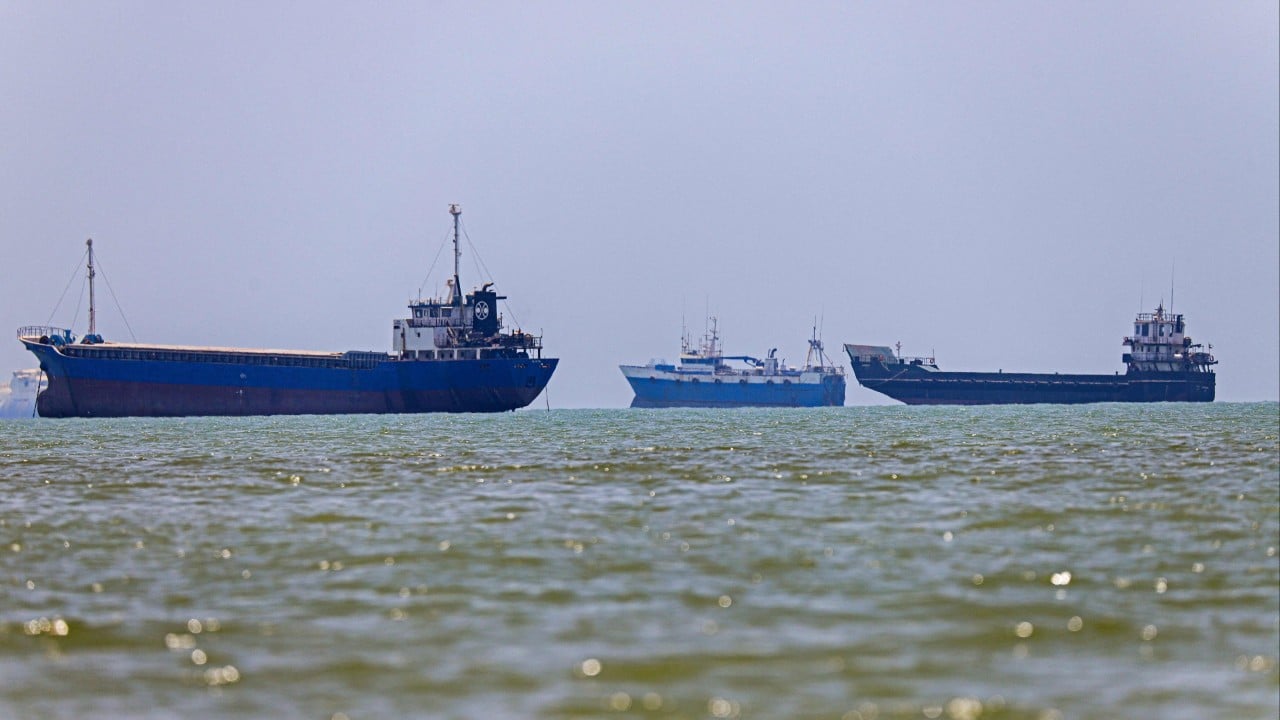
The shipping lanes of the Strait of Hormuz aren't just crowded right now; they are becoming an expensive geopolitical chess board. If you think the newly signed US-Iran interim peace deal completely solved the maritime crisis in the Persian Gulf, you're missing the real story.
Tehran just pulled a classic legal maneuver that completely bypasses its diplomatic promises.
The newly minted Persian Gulf Strait Authority (PGSA) officially announced that every single vessel transiting the Strait of Hormuz must now secure a mandatory, Iran-approved insurance policy. Right now, Tehran says this insurance is free. But they explicitly reserved the right to slap heavy fees on it the second a 60-day diplomatic window closes.
This is a backdoor toll on a waterway that carries a fifth of the world's petroleum supply. Shipowners are furious, Western allies are scrambling, and the international shipping markets are facing a massive precedent-shifting threat.
How the Mandatory Insurance Scheme Sidesteps International Law
The diplomatic agreement signed in Switzerland was supposed to bring immediate financial relief and clear passage. Under the interim memorandum of understanding, the US ended its maritime blockade, and Iran agreed to allow the "safe passage of commercial vessels with no charge" for 60 days while permanent nuclear and economic negotiations got underway.
Instead of charging a direct transit toll—which would flagrantly violate the 1982 United Nations Convention on the Law of the Sea—Iran invented an administrative workaround. They set up the PGSA and declared that because of lingering risks in the waterway, including floating mines, they must oversee maritime safety.
"At present, this insurance is provided free of charge to the vessel owner, with all expenses covered by the Islamic Republic of Iran. The PGSA reserves the right to introduce insurance fees in the future... Owners will then be required to purchase and renew coverage accordingly."
- Official PGSA Terms and Conditions
It is essentially a protection racket wrapped in bureaucratic corporate accounting codes. By calling it an "insurance fee" rather than a transit toll, Tehran claims it is adhering to international law. In reality, they are setting up a permanent fee structure that will outlive the 60-day peace treaty.
Parallel Shipping Lanes and the Oman Corridor
The physical reality inside the strait is just as chaotic as the legal battle. The PGSA issued a strict mandate requiring all ships to submit a passage permit request at least 48 hours in advance and to stick to a designated northern route passing directly along Iran's coast near Larak Island. Any deviation, the PGSA warned, will lead to revoked permits, heavy financial penalties, or direct legal action.
But Western naval forces, led by the US and the UK, aren't playing along. They just published their own set of coordinates, advising commercial vessels to use a southern corridor that runs through the territorial waters of Oman.
This setup has effectively created two parallel, competing shipping lanes in a chokepoint that is only 21 miles wide at its narrowest.
- The Northern Route: Controlled by Iran's PGSA. Requires a 48-hour pre-approval permit and mandatory Iranian insurance.
- The Southern Route: Protected by Western navies. Runs along the Omani coast, avoiding direct Iranian oversight but carrying serious physical risks.
The southern option isn't an easy fix. Pakistan's navy just reported a floating naval mine drifting near the coast of Oman. While an initial burst of oil tankers rushed out of the Persian Gulf immediately after the peace deal was signed, observable traffic has drastically thinned out. Tanker owners are freezing bookings because they don't want to choose between an Iranian legal trap on the north side or a physical minefield to the south.
What This Precedent Means for Global Trade
Allowing Iran to monetize the Strait of Hormuz sets a terrible precedent for global trade. International maritime bodies are deeply worried that if Tehran gets away with this, other nations controlling vital chokepoints will copy the playbook. Imagine Egypt charging a mandatory "environmental safety fee" for the Suez Canal on top of its normal tolls, or nations bordering the Malacca Strait inventing local insurance mandates.
Arsenio Dominguez, the Secretary-General of the International Maritime Organization (IMO), confirmed he received the PGSA document and is working with both Oman and Iran to find a solution that fits international law. He warned that accepting these hidden fees threatens the fundamental concept of free navigation.
Meanwhile, US Vice President JD Vance reiterated the official Washington stance that international waterways must remain entirely free of tolls. However, the administration faces pressure. Western allies, particularly the UK, are pushing Washington to take a harder stance and refuse to normalize these fees before the 60-day negotiation clock runs out.
Actionable Next Steps for Maritime Operators
If you manage logistics, own commercial tonnage, or trade energy commodities, relying on the generic text of the US-Iran peace deal is an absolute mistake.
First, adjust your legal risk assessments immediately. Ensure your legal counsel reviews the specific terms circulated by the PGSA to the IMO. Even if your vessels utilize the southern Omani corridor to avoid Iranian interaction, your underwriting teams must evaluate whether your current protection and indemnity (P&I) clubs cover the specific mine risks currently reported near Oman.
Second, factor the 48-hour PGSA permit window into your transit timelines for any Persian Gulf liftings. Tanker demand is exceptionally low right now because brokers are waiting for a standardized framework. Do not lock in spot fixtures without explicit clauses detailing who bears the financial brunt if Iran introduces its insurance fees mid-voyage or delays your vessel at the entrance of the strait.