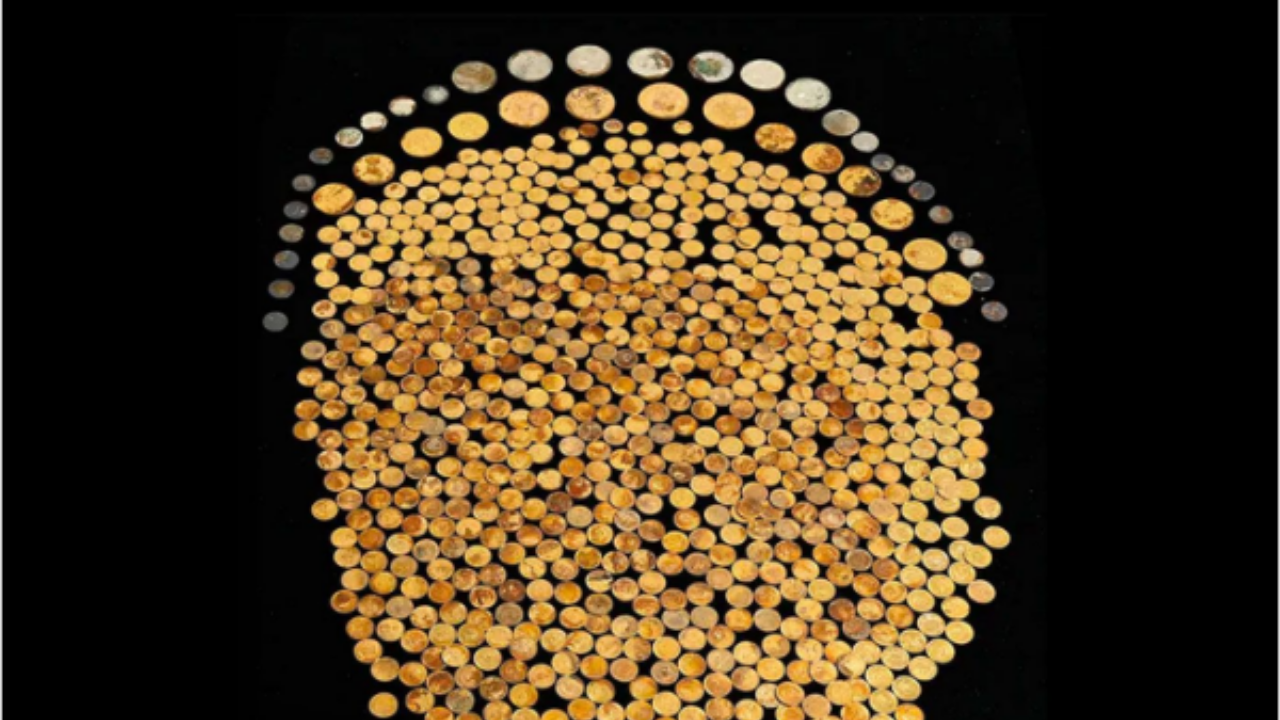
You walk across your field, look down, and see a piece of silver reflecting the sun. That is exactly how a routine day turned upside down for a Kentucky farmer in 2023. What started as picking up a single 1856 Seated Liberty half dollar snowballed into unearthing over 800 vintage coins in less than an hour. The haul fetched more than $3 million on the private market, capturing global headlines.
People read these splashy news stories and imagine striking it rich is just a matter of walking outside with a shovel. Honestly, the reality of finding, authenticating, and liquidating a multi-million-dollar stash of Civil War-era gold is far more complicated—and legally messy—than a quick trip to the backyard. In similar updates, read about: Why India Stance On The Indus Waters Treaty Is Winning International Support.
The Real Story Behind the Great Kentucky Hoard
Let us clear up what actually happened in that cornfield. The anonymous finder did not just unearth a random stash of pocket change; he stumbled upon what numismatists now call the Great Kentucky Hoard.
The collection contained over 700 gold dollars minted between 1850 and 1862, alongside $10 Liberty gold coins and $20 Liberty Double Eagles. But the crown jewel of the entire excavation wasn't just the sheer volume. It was a grouping of 18 ultra-rare 1863-P $20 Gold Liberty Double Eagles. USA Today has analyzed this fascinating issue in great detail.
During the Civil War, the US Treasury produced a mere 3,607 of these specific coins for circulation. Finding even one in uncirculated condition makes numismatists lose their minds. Pulling nearly an entire roll of them out of the dirt in pristine condition left experts like Jeff Garrett of Mid-America Rare Coin Galleries astonished. Each of those specific Double Eagles from the hoard later commanded upwards of $100,000 on the market.
Why Did Someone Bury a Fortune in 1863?
If you are wondering why hundreds of thousands of dollars in gold were sitting a foot underground, look at the timeline. The year 1863 was one of the most volatile periods of the American Civil War.
Kentucky officially claimed neutrality at the conflict's start in 1861, but that stance crumbled fast. The state turned into a brutal battleground. By the summer of 1863, Confederate General John Hunt Morgan led aggressive cavalry raids through Kentucky, Ohio, and Indiana.
According to historical notes from the Smithsonian Institution, wealthy landowners, merchants, and farmers faced a terrifying choice. Banks were unstable, and marching troops confiscated everything from livestock to cash. Burying gold and silver in fields was often the only way to safeguard generational wealth. Many of the people who hid those fortunes didn't survive the war, got displaced, or took the exact locations to their graves. That left millions in bullion waiting for random agricultural work or modern metal detecting enthusiasts to stumble upon them decades later.
What Happens When You Actually Find Buried Treasure
If you ever find yourself holding a 19th-century coin in your own backyard, do not post about it on social media immediately. The legal and logistical hurdles are brutal.
First, you need to lock down your anonymity. The Kentucky farmer smart enough to keep his identity hidden avoided a swarm of trespassers, legal disputes over property ownership rights, and potential safety hazards.
Second, you cannot just throw these historical artifacts on eBay or take them to a local pawn shop. Cleaning or mishandling ancient coins destroys their numismatic value instantly. The Kentucky hoard went straight to the Numismatic Guaranty Company (NGC) for professional authentication and grading. Third-party grading services evaluate the surface condition, verify authenticity, and encapsulate the pieces in tamper-evident holders.
Once certified, specialized distributors like GovMint handled the commercial sale to private collectors and high-net-worth investors. Without that institutional backing, selling raw, unauthenticated rare coins leaves you vulnerable to getting lowballed or accused of possessing stolen property.
Stop Expecting Easy Riches in Your Yard
Treasure hunting sounds romantic, but you have to look at the probabilities. Statistically, the odds of unearthing a multi-million-dollar Civil War hoard while planting corn or walking your dog are close to zero. Most fields just contain rusted farm equipment, old pull-tabs, and iron nails.
If you want to get into metal detecting or coin collecting, treat it as a hobby rather than a retirement strategy. Research local history, secure proper permission from landowners before stepping foot on private property, and brush up on local antiquities laws.
The farmer who found the Great Kentucky Hoard caught lightning in a bottle. For everyone else, luck favors those who do their homework, protect their assets legally, and know when to hand things over to the experts.