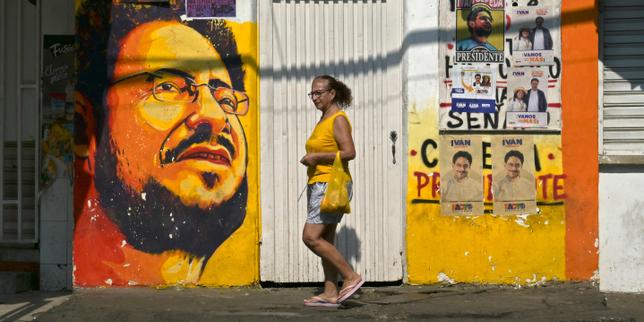
Colombia stands at a razor-sharp edge. Tomorrow, millions of voters head to the polls for the second round of the Colombian presidential election, and the atmosphere feels like a powder keg. Western media loves to paint these Latin American votes with a broad brush. They call it a simple battle between left and right. They talk about a standard ideological tug-of-work. But if you think this is just another regular election, you're missing the real story. This vote isn't just about political preferences anymore. It's a deeply personal, emotionally charged conflict over the very soul and safety of the nation.
On one side, you have Abelardo de la Espriella. He's a flashy, multimillionaire lawyer who has never held public office. He uses military salutes, waves pictures of tigers, and promises absolute force. On the other side stands Iván Cepeda, a veteran left-wing senator representing the Pacto Histórico, the coalition of outgoing president Gustavo Petro. Cepeda relies on social reforms and the support of young K-pop fans to drum up enthusiasm. The country is split right down the middle, and the tension is palpable in every café from Bogotá to Medellín.
The Mirage of a Simple Left Versus Right Choice
Most international observers look at the first-round numbers and see a close race. De la Espriella secured 43.74% of the vote, while Cepeda grabbed 40.90%. It looks like a classic neck-and-neck finish. But the reality on the ground is far more volatile.
This election serves as a raw referendum on Gustavo Petro's presidency. Petro made history as Colombia's first leftist leader. For the poorest communities, his term brought real change. He bumped up the minimum wage. He expanded social safety nets. He focused heavily on reducing the stark inequalities that have plagued the country for generations.
Yet, his security strategy backfired spectacularly in the eyes of many. Petro championed a policy known as "total peace." The goal was noble: negotiate with remaining guerrilla factions, ex-paramilitaries, and drug cartels to finally end sixty years of internal warfare. Instead, many voters feel the policy just gave criminal groups room to breathe.
Over the past fifteen months, violence has surged. Community leaders have been assassinated. Bombings have struck civilian areas. A presidential contender was even killed earlier in the cycle. This security collapse explains why a political outsider like De la Espriella suddenly looks like a savior to millions.
Security Demands Drive the Shift to the Right
Walk down the streets of Bogotá and talk to regular people. You'll quickly realize that abstract economic theories don't matter when people are scared to leave their homes. Retired military personnel and working-class citizens alike are demanding a heavy hand.
Abelardo de la Espriella understands this hunger for order perfectly. He has built his entire campaign around the concept of "firmness for the homeland." He channels the spirit of former right-wing president Álvaro Uribe, promising to crush criminal organizations using the full might of the military.
He has also set his sights on the Special Jurisdiction for Peace, the tribunal created by the historic 2016 peace accord with the FARC guerrilla group. The right wing argues this court is heavily biased against the military, punishing soldiers while letting former rebels walk free. De la Espriella wants to eliminate it entirely. To his supporters, this isn't authoritarianism. It's justice. They see a country sliding into chaos and want someone strong enough to stop the bleeding.
The Social Reform Shield Keeping the Left Alive
Dismissing Iván Cepeda's chances would be a massive mistake. Despite the security failures of the current government, the left holds a powerful grip on the popular imagination. Cepeda isn't just a political operator. He's a long-time human rights defender who speaks directly to the fears of the marginalized.
Cepeda's platform focuses on deep, structural changes that right-wing governments ignored for decades. He promises an agrarian revolution. His plan involves handing over one million hectares of land to campesiños who lost everything during the civil war. For millions of rural Colombians, land isn't just property. It's survival.
The left also benefits from a highly energized youth culture. While De la Espriella's rallies feature disciplined lines of retired soldiers singing the national anthem, Cepeda's events are vibrant, chaotic, and driven by young activists. This digital-savvy base uses online trends to mobilize voters who traditionally stay home on election day. Cepeda managed to pull in nearly 9.7 million votes in the first round, proving that the hunger for social justice remains incredibly strong.
What Happens to the Rest of the Electorate
The big question for tomorrow is where the centrist and moderate conservative votes will go. In the first round, Paloma Valencia of the traditional conservative Democratic Center party earned just under 7% of the vote. Most analysts believe her supporters already migrated to De la Espriella in the final days of May, meaning the far-right candidate might have already hit his mathematical ceiling.
Centrist candidates like Sergio Fajardo pulled in a little over 4% of the vote. Those voters don't easily align with De la Espriella's aggressive, pro-Trump rhetoric. If Cepeda can convince those moderate and centrist voters that De la Espriella poses a danger to Colombian democracy, the left could pull off a dramatic comeback.
The political machinery is working overtime to capture the undecided. Rumors, WhatsApp misinformation campaigns, and mutual accusations of fraud are flying across social media networks. President Petro himself openly questioned the preliminary first-round software, claiming it added hundreds of thousands of non-existent voters to the rolls. This rhetoric has raised the stakes dangerously high. If the final margin is thin, neither side seems ready to accept defeat quietly.
How to Follow the Final Stretch Track the Results Personally
Don't rely on delayed international news summaries tomorrow night. If you want to understand what's actually happening to the Colombian presidential election in real-time, follow these steps.
First, monitor the official updates from the National Civil Registry. They provide the raw, verified vote counts as they come in from the regional commissions.
Second, look at regional breakdowns rather than just national totals. Watch the margins in major urban centers like Bogotá, which tends to lean left, and compare them to the conservative strongholds in Antioquia. The election will be won or lost based on turnout in these key zones.
Finally, prepare for a long night. Given the immense tension and the official scrutiny processes established to verify every single ballot box, a definitive, accepted result might take days to emerge. Hold steady, look past the aggressive campaign theater, and watch the hard data.