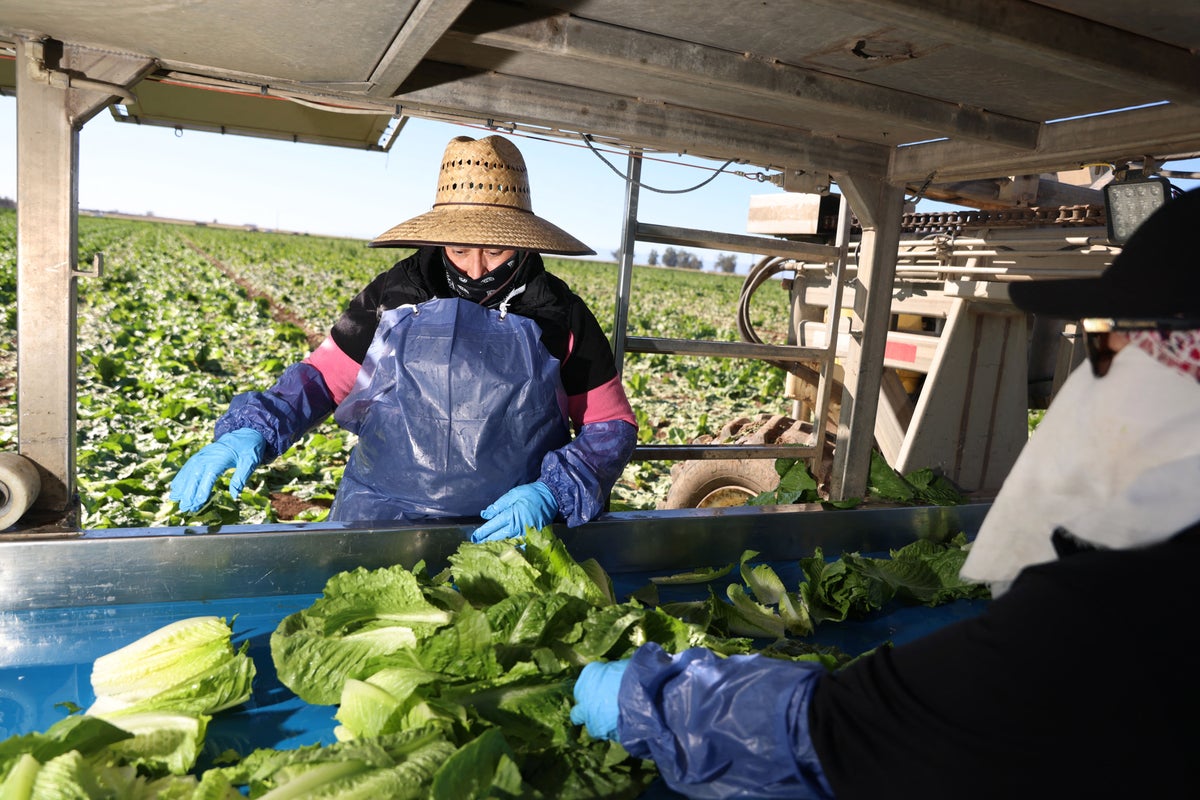
If you woke up thinking a simple bowl of shredded iceberg lettuce or a pinch of fresh cilantro couldn't ruin your entire month, federal health numbers say otherwise.
The United States is currently battling one of its worst recorded spikes of Cyclospora cayetanensis, a microscopic parasite that turns routine summer salads into weeks of debilitating gastrointestinal misery. Federal public health agencies have logged thousands of confirmed and suspected cases across dozens of states, with Michigan serving as the epicenter of a massive seasonal surge.
The Centers for Disease Control and Prevention (CDC) alongside state health departments have linked a significant portion of recent infections to shredded iceberg lettuce supplied by Taylor Farms de Mexico, which led to immediate product removals at Taco Bell locations across five Midwestern states. But this isn't just a fast-food problem. The parasite is popping up across multiple grocery chains and restaurant supply lines.
If you want to protect your gut or figure out why your stomach has been acting up for days, you need to know how this bug works, why rinsing your vegetables won't save you, and what to actually do about it.
Why Cyclospora Is Not Your Average Food Poisoning
Most people hear "foodborne illness" and instantly think of Salmonella or E. coli. You eat bad food, spend 24 to 48 hours glued to the bathroom, and eventually recover with fluids and rest.
Cyclospora does not follow that timeline.
It is a single-celled protozoan parasite that burrows directly into the lining of your small intestine. The incubation period alone confuses people. You don't get sick hours after lunch. Symptoms typically take about a week to show up, though they can hit anywhere between two days and two full weeks after ingestion.
By the time you feel sick, you've probably forgotten that bowl of chopped salad or raspberry parfait you ate seven days ago.
When the illness hits, doctors describe the hallmark symptom as watery and explosive diarrhea. It isn't just unpleasant—it's relentless. Unlike viral stomach bugs that clear out in a few days, Cyclospora infections regularly drag on for weeks or even months if left untreated. Patients frequently experience a agonizing relapsing pattern where they feel slightly better for a day, only for severe cramping, extreme fatigue, bloating, and explosive bowel movements to roar back full force.
Major symptoms to watch for include:
- Profuse, watery diarrhea that comes in sudden waves
- Severe abdominal cramps, bloating, and excess gas
- Loss of appetite and unexpected, rapid weight loss
- Low-grade fever, nausea, and persistent muscle aches
- Extreme exhaustion caused by malabsorption and dehydration
The Mexican Iceberg Lettuce Recall and Taco Bell Outbreak
How did a tropical parasite end up causing thousands of illnesses across Indiana, Kentucky, Michigan, Ohio, and West Virginia?
It comes down to global food supply networks and irrigation practices. Cyclospora spreads through human feces. When agricultural fields in regions where the parasite is endemic rely on contaminated water for irrigation or crop spraying, the parasite's microscopic oocysts (eggs) attach themselves firmly to produce surfaces.
In July 2026, federal health officials traced a high concentration of regional cases back to shredded iceberg lettuce grown in central Mexico and distributed by Taylor Farms. Taco Bell moved quickly to halt lettuce distribution from that specific supplier across affected states, while Taylor Farms launched a broader recall of products sent to grocery stores like Walmart and various commercial food service operations.
Michigan took the hardest hit during this surge, reporting over 3,000 cases—an astronomical leap for a state that typically sees fewer than 50 in a full year. Hospitalizations have climbed into the dozens across multiple states as severe dehydration takes a toll on patients.
However, public health experts caution that the Mexican lettuce recall doesn't account for every sick person. Because Cyclospora thrives in warm summer months, multiple independent food supply streams often harbor the bug at the same time.
Why Washing Your Produce Will Not Protect You
Here is the frustrating reality that catches most home cooks off guard: rinsing your lettuce under cold tap water is almost useless against Cyclospora.
The parasite produces a microscopic outer shell that allows it to survive harsh environmental conditions. It produces sticky organic compounds that allow it to anchor tightly into the microscopic folds, veins, and crevices of leafy greens and rough-skinned fruits. Running water might wash away visible dirt, but it rarely dislodges the parasite. Chemical sanitizers and chlorine washes used in commercial processing facilities are often equally ineffective at killing Cyclospora oocysts.
So, which foods carry the highest risk during an active surge?
- Pre-bagged salads and shredded greens: Shredding produce exposes internal plant tissue and mixes batch lots together. If a single contaminated head of lettuce goes through a commercial cutter, it spreads parasite eggs across thousands of packaged bags.
- Fresh herbs: Cilantro and basil are top culprits in historical outbreaks. Their tiny leaves and complex structural branching offer countless hiding spots for microscopic parasites.
- Soft berries: Raspberries and blackberries have delicate, hollow structures full of tiny crevices that make thorough cleaning practically impossible.
- Green onions and snow peas: Thin folds near stems and pods harbor agricultural dust and residual irrigation moisture.
If you want to eliminate risk entirely without throwing away fresh produce, you have three options: heat it, freeze it, or peel it. Heating food to an internal temperature of at least 158°F (70°C) destroys the parasite instantly. Peeling produce removes the outer layer where the parasite clings, while commercial freezing also kills off the organism.
Getting Diagnosed Is Harder Than You Think
If you suspect you have Cyclospora, simply dropping off a routine stool sample at your local urgent care center might leave you with a false sense of security.
Standard hospital lab tests for gastroenteritis search primarily for common bacterial culprits like Salmonella, Campylobacter, and Shigella. They rarely screen for Cyclospora unless your doctor specifically orders a parasitic examination or a comprehensive gastrointestinal PCR panel.
Because the parasite is shed intermittently in stool, a single negative sample doesn't always rule out infection. If symptoms persist, doctors often need to collect multiple samples over several days to catch the organism.
When you speak with your doctor, be explicit. Tell them you suspect a parasitic infection, especially if you have consumed raw produce or eaten at regional restaurants linked to recent warnings.
Over-the-counter anti-diarrheal medications like loperamide (Imodium) can actually make things worse. While they might briefly reduce bathroom trips, they slow down bowel motility, trapping the parasite and its toxins inside your intestinal tract longer.
Treatment Options That Actually Work
Unlike viral stomach bugs that simply require time and fluids, Cyclospora responds directly to targeted medical treatment.
The primary line of defense is a specific antibiotic combination: trimethoprim-sulfamethoxazole, commonly known by brand names like Bactrim or Septra. A standard course usually resolves symptoms within a few days, stopping the cycle of relapsing diarrhea and allowing your gut lining to heal.
If you have a severe sulfa allergy, treatment gets complicated. Alternative antibiotics like ciprofloxacin or nitazoxanide are sometimes prescribed, though studies show they are noticeably less effective than sulfa-based medications. Your healthcare provider will need to weigh risk factors and tailor a solution for your situation.
While taking antibiotics, aggressive hydration is essential. Water alone isn't enough when you're losing massive amounts of fluids and essential minerals. Sip oral rehydration salts or electrolyte solutions throughout the day to keep your kidneys functioning properly and avoid hospitalization.
Immediate Steps to Protect Your Home and Kitchen
You don't need to panic, but you do need to alter your grocery purchasing and food prep habits while health agencies work to clear contaminated produce from supply lines.
- Ditch bagged and pre-cut salads for now. Switch to whole heads of lettuce. Strip off and throw away the outer two or three leaves entirely before washing the remaining head thoroughly under cold running water.
- Cook your vegetables. Heat kills Cyclospora dead. Sauté your spinach, roast your vegetables, and cook herbs into warm sauces rather than eating them raw as garnishes.
- Avoid high-risk items at dining establishments. When eating out in affected states, skip raw side salads, fresh cilantro garnishes, and uncooked shredded lettuce.
- Sanitize kitchen surfaces aggressively. Wash cutting boards, knives, and countertops with hot, soapy water immediately after preparing raw produce.
- Demand specific medical testing if sick. If you experience watery diarrhea lasting longer than two days, schedule an appointment and explicitly ask your doctor for a Cyclospora PCR stool panel.


