A modern fighter pilot doesn't just fly an aircraft. They manage a flying computer worth over a hundred million dollars, process data feeds from multiple airborne nodes, and coordinate tactical strikes in real-time. That operational load means the physical gear worn on a pilot's head is no longer just a piece of protective plastic. It is the primary interface for survival. When the Pentagon pours hundreds of millions of dollars into keeping fighter pilot helmets combat ready, people often scoff at the price tag. They shouldn't.
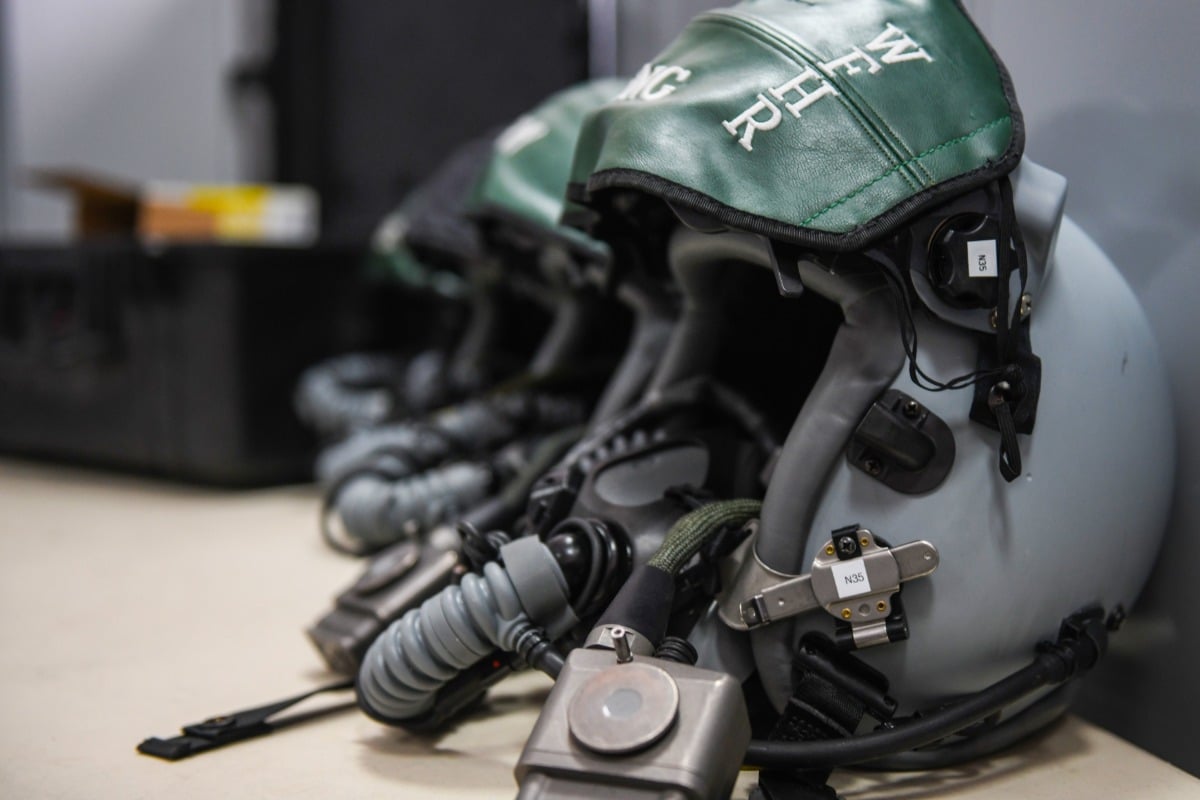
If you look past the initial sticker shock, you realize these display systems function as wearable cockpits. The F-35 Gen III Helmet Mounted Display System costs roughly $400,000 to $500,000 per unit. Maintenance, software upgrades, and custom fittings add up quickly, explaining why military budgets face massive sustainment costs for these components. But what do you actually get for that money? You get an apparatus that lets a pilot literally look right through the metal body of the jet.
The True Cost of 360-Degree Situational Awareness
Six exterior cameras stream real-time visual data straight to the visor. If a pilot looks down while flying at supersonic speeds, they don't see the floor of the cockpit. They see the ground below them, unobstructed by the airframe. Night vision isn't bolted onto the front as an afterthought either. It's integrated digitally into the display.
This technology eliminates traditional blind spots. Yet, high-end gear demands high-end upkeep. You cannot pull one of these helmets off a shelf and hand it to any random aviator.
Every single helmet requires a meticulous custom-fitting process lasting up to two days. Technicians scan the pilot's head shape, measure optical alignment down to the millimeter using a pupilometer, and calibrate the internal displays so the user sees a single, unified picture instead of a blurry double image.
Maintenance Cycles That Never Stop
Fit is everything. If a pilot gains a few pounds, changes their hairstyle, or experiences minor facial shifts, the optics can drift out of alignment. That distortion can cause severe spatial disorientation or headaches during high-G maneuvers.
Because of these tolerances, the military enforces strict maintenance schedules. Helmets undergo formal inspections every 105 days alongside regular 120-day fit checks. Specialized technicians test the electronics, clean the delicate sensors, and update internal firmware.
Critics argue that spending hundreds of millions on equipment upkeep highlights broader military budget bloat, especially when fleet mission-capable rates fluctuate. Ground crews face constant pressure to keep these critical items certified and operational. If a jet is ready to fly but the pilot's helmet fails diagnostic checks, that multi-million-dollar fighter stays parked.
What Happens Next in Aviation Tech
Defense contractors are already working on the next iteration of pilot displays. Future systems aim to integrate command capabilities for uncrewed drone wingmen directly into the helmet visor. Pilots will direct autonomous swarms with simple glances and voice commands while managing traditional combat duties.
The financial investment looks steep on paper, but it reflects the brutal reality of modern aerial warfare. You cannot send pilots into contested airspace with inferior optics. Maintaining these helmets means keeping the human element sharp enough to survive.
HOW US PILOTS FIT THEIR $400,000 HELMETS FOR PERFECT 360 VISION
This video provides an inside look at the rigorous two-day fitting process and advanced technology required to keep fighter pilot helmets operational.
http://googleusercontent.com/youtube_content/1