Five years after the chaotic evacuation at Kabul airport, the official narrative surrounding America's exit from Afghanistan is cracking open. The Pentagon's Afghanistan Withdrawal Special Review Panel dropped a bombshell announcement, claiming investigators uncovered classified documents deliberately stashed away in secure safes to keep them out of reach from prior inquiries.
Sean Parnell, who leads the panel, didn't mince words in a video statement released on the anniversary of the Abbey Gate bombing. According to the panel, these weren't just lost papers or routine administrative misfilings. They were highly sensitive records that investigators say someone actively tried to bury.
If you've followed the endless congressional hearings, reports, and finger-pointing over the 2021 collapse, you know transparency has always been in short supply. This latest twist proves that the full story of those final two weeks in Kabul is still waiting to be told.
What We Know About the Stashed Files
Details on the exact contents of these documents remain scarce. Parnell and defense officials haven't publicly disclosed the specifics, citing the ongoing nature of the review. However, the panel made it clear that after reading through the material, the motive behind hiding it became painfully obvious.
The files surfaced as part of an aggressive push ordered by Defense Secretary Pete Hegseth, who tasked the special panel with taking a fresh look at the operational failures. Unlike earlier legislative probes that critics argued were heavily filtered or over-classified, this panel claims to have reviewed roughly nine million documents and conducted extensive interviews with military personnel.
Finding classified files tucked away in safes changes the tone of the investigation entirely. It moves the conversation from bureaucratic incompetence to intentional concealment.
Why the 2021 Evacuation Still Haunts Washington
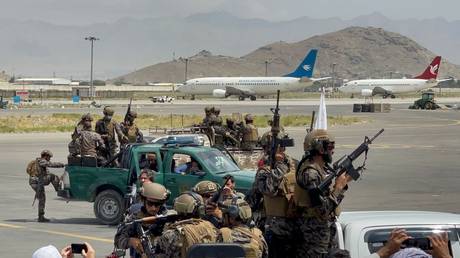
The ghosts of August 2021 refuse to stay buried. Thirteen U.S. service members and roughly 170 Afghan civilians died in a suicide bombing at the Abbey Gate entrance of the Hamid Karzai International Airport. Images of desperate crowds and desperate people clinging to the outside of departing military cargo planes shocked the world.
For years, political blame has bounced back and forth. House Republicans released extensive reports accusing the previous administration of ignoring intelligence warnings, mismanaging the timeline, and leaving personnel vulnerable. Meanwhile, officials from that era maintained that the sudden, lightning-fast collapse of the Western-backed Afghan government left zero room for an orderly exit.
Yet, the discovery of hidden files breathes new life into allegations of a cover-up. When records that should have been part of the historical and legal record are locked away where investigators won't look, it invites immediate suspicion. Veterans and the families of those killed at Abbey Gate deserve more than polished talking points. They deserve the unfiltered truth about who made the fatal calls.
Where the Investigation Goes Next
The special panel promises to follow the evidence wherever it leads, regardless of who it implicates. Alongside the document discovery, the Pentagon has started reviewing service records to upgrade valor awards for Marines who fought through the chaos at Kabul airport—recognizing actions that officials admit were previously downplayed or missing from official records.
Transparency is coming, albeit painfully late. Watch how the Pentagon handles the eventual release of these documents. The fallout from these hidden files is just getting started.