A stomach bug that leaves you running to the bathroom for weeks is not just a case of bad luck. Right now, a microscopic parasite is wreaking havoc across 31 US states, causing severe, watery, and often explosive diarrhea.
The culprit is Cyclospora cayetanensis, a single-celled pathogen that target-locks your small intestine. Meanwhile, you can find similar events here: How Your Second Pregnancy Rewires The Brain Differently Than Your First.
If you have been keeping an eye on the news, you might think the situation is under control. The official federal numbers look modest. But those numbers are lying to you.
The federal tracking system has a massive blind spot. The actual scale of this outbreak is far larger than what is being widely reported. If you want to protect your family, you need to understand why this parasite is spreading so quickly, why normal food safety rules do not work against it, and how to spot the signs before you spend a month in gastrointestinal misery. To see the bigger picture, we recommend the excellent report by WebMD.
The Ghost in the CDC Data
If you look at the official bulletins from the Centers for Disease Control and Prevention (CDC), the situation looks concerning but manageable. As of July 9, 2026, the agency confirmed 843 domestic cases across 31 states, with 86 hospitalizations.
But that is only a fraction of the real story.
Look at individual state data, and the discrepancy is jarring. Michigan alone reported 1,562 confirmed cases as of July 10, 2026. That is nearly double what the CDC is reporting for the entire country. New York state is tracking around 470 cases. Ohio has at least 177.
Why is there such a massive gap?
In 2025, the CDC made a quiet but devastating policy shift. They scaled back the Foodborne Diseases Active Surveillance Network (FoodNet). The agency made state reporting of Cyclospora optional, reducing the list of mandatory tracked pathogens to focus primarily on Salmonella and Shiga toxin-producing E. coli.
Because of this cutback, the federal government is essentially flying blind. There is a lag of about six weeks between when someone gets sick and when their case finally trickles into the CDC's national database.
This is not a slow-burning issue. It is an active, underreported surge.
Why Washing Your Lettuce Won't Save You
We have all been taught that washing our vegetables is the gold standard of food safety. We rinse our cilantro, scrub our fruit, and buy bags of salad labeled triple-washed.
With Cyclospora, those habits will not save you.
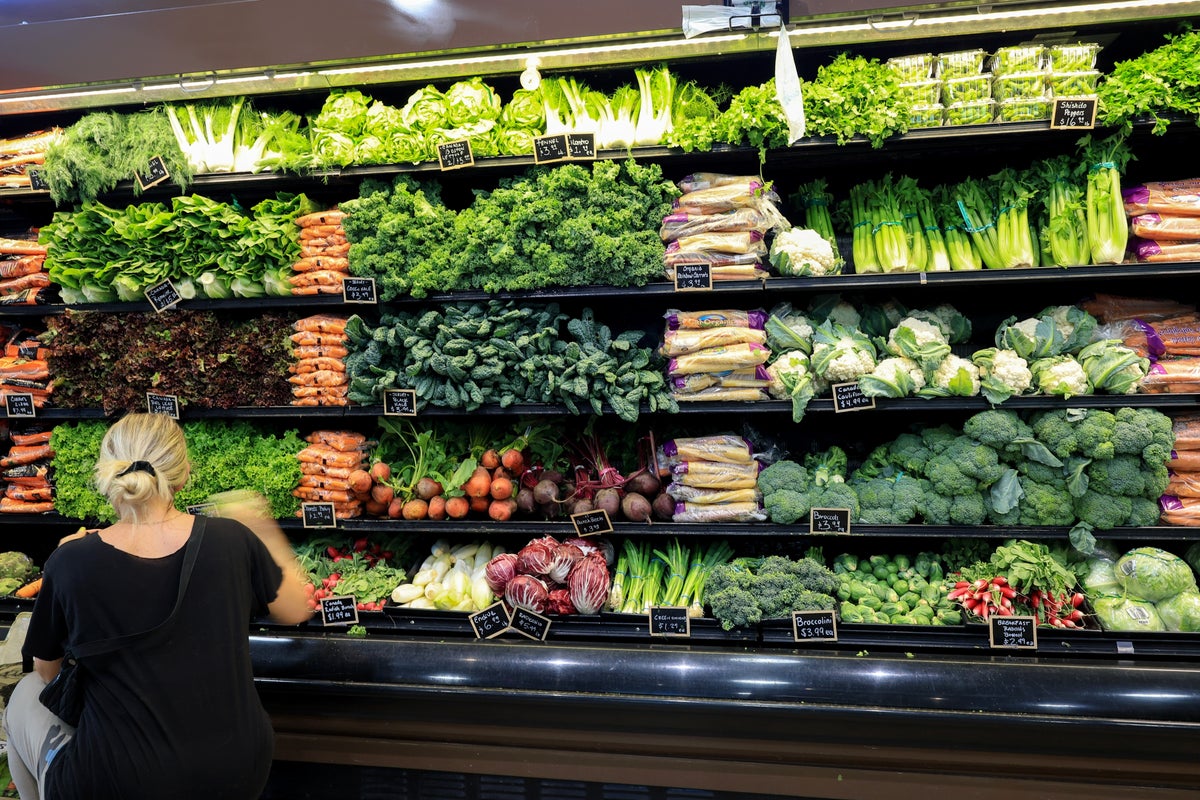
This parasite has a sticky, sticky outer shell. It clings to the irregular surfaces of fresh produce with stubborn persistence. Rinsing it under the tap does very little. In fact, health officials in Michigan have openly warned restaurants and commercial kitchens that washing leafy greens, green onions, and berries has not been medically proven to eliminate the parasite.
To make matters worse, the parasite is microscopic. You cannot smell it. You cannot taste it. You cannot see it on your plate.
How does it get there in the first place?
The parasite is shed through human feces. When agricultural fields lack adequate portable toilets and handwashing stations, workers are left with no choice. Rain and irrigation runoff carry the waste into the soil and water supply. The contaminated water is then sprayed directly onto crops. Once the parasite lands on a warm, humid farm field, it thrives.
The supply chain does the rest. Cilantro, raspberries, snow peas, and basil are packed up, shipped across state lines, and landed right on your dinner plate.
There is one silver lining. Unlike the stomach flu or norovirus, Cyclospora is not directly contagious from person to person. When the parasite is first shed in human stool, it is immature. It requires one to two weeks in the environment to become infectious. You cannot catch it by shaking hands with an infected coworker. You have to eat the contaminated food.
This Is Not a 24 Hour Bug
Most people assume food poisoning is a quick ordeal. You throw up for a night, drink some Gatorade, and move on with your life.
Cyclospora does not play by those rules.
Symptoms usually hit about a week after exposure. However, they can show up anywhere from two days to more than two weeks later.
When it strikes, it is relentless. The hallmark symptom is frequent, watery, and highly explosive bowel movements. It is physically exhausting.
Along with the severe diarrhea, victims commonly experience:
- Severe stomach cramps and painful bloating
- Intense nausea and occasional vomiting
- A complete loss of appetite and rapid weight loss
- Muscle aches, low-grade fever, and crushing fatigue
The most frustrating part of this infection is its relapsing nature. You might feel better for a couple of days and think the worst is behind you. Then, out of nowhere, the symptoms return with full force.
Without proper medical intervention, this vicious cycle can drag on for a month or even longer. It leads to severe dehydration, muscle wasting, and weeks of missed work.
The Test Your Doctor Will Forget to Order
If you go to an urgent care clinic with severe diarrhea, the doctor will likely tell you it is viral. They might run a standard stool test.
That is where many patients fall through the cracks.
Standard gastrointestinal tests do not look for Cyclospora. The parasite is notoriously difficult to detect under a standard microscope because it is shed in low, inconsistent numbers.
If you suspect you have been exposed, you have to be your own advocate. You must explicitly ask your doctor to order a specific molecular PCR test or a specialized ova and parasite (O&P) exam that targets Cyclospora. Even then, you may need to submit multiple stool samples over several days to get an accurate diagnosis.
Do not let them tell you to just wait it out.
Standard antibiotics like penicillin or ciprofloxacin do not touch this parasite. To kill Cyclospora, you need a specific, targeted antibiotic: trimethoprim-sulfamethoxazole, commonly known as Bactrim or Septra.
If you have a sulfa allergy, your treatment plan gets more complicated. Your doctor will have to prescribe alternative therapies like ciprofloxacin, though they are generally less effective and require a longer course of treatment.
What You Can Actually Do Right Now
The FDA and state health departments are actively investigating multiple clusters of infections. They are looking closely at Mexican-style restaurants, commercial catering events, and major grocery chains. Because they have not named a single, specific grower or brand yet, the burden of protection falls on you.
You do not need to panic, but you do need to adapt your kitchen habits.
Cook Your Produce
The easiest way to kill the parasite is heat. Cyclospora cannot survive temperatures of 158°F (70°C) or higher. During this summer peak, skip the raw berries and fresh cilantro garnishes. Cook your vegetables, bake your fruit into cobblers, and sauté your greens.
Peel What You Can
If you must eat raw produce, choose items you can peel yourself, such as bananas, avocados, and melons. This bypasses the contaminated outer skin entirely.
Avoid High-Risk Items
Historically, summer outbreaks are tied to imported basil, cilantro, raspberries, and pre-packaged salad kits. Limit your consumption of these specific raw items until the current outbreak cools down.
Protect Yourself While Traveling
If you are traveling to tropical or subtropical regions where this parasite is endemic, exercise extreme caution. Stick to bottled water, avoid ice, and only eat food that has been served piping hot.
If you have been struggling with unusual, relapsing digestive issues for more than a few days, stop waiting for it to pass. Book an appointment with your healthcare provider, mention the ongoing 31-state Cyclospora outbreak, and demand the specific test. Don't let a microscopic parasite hijack your summer.