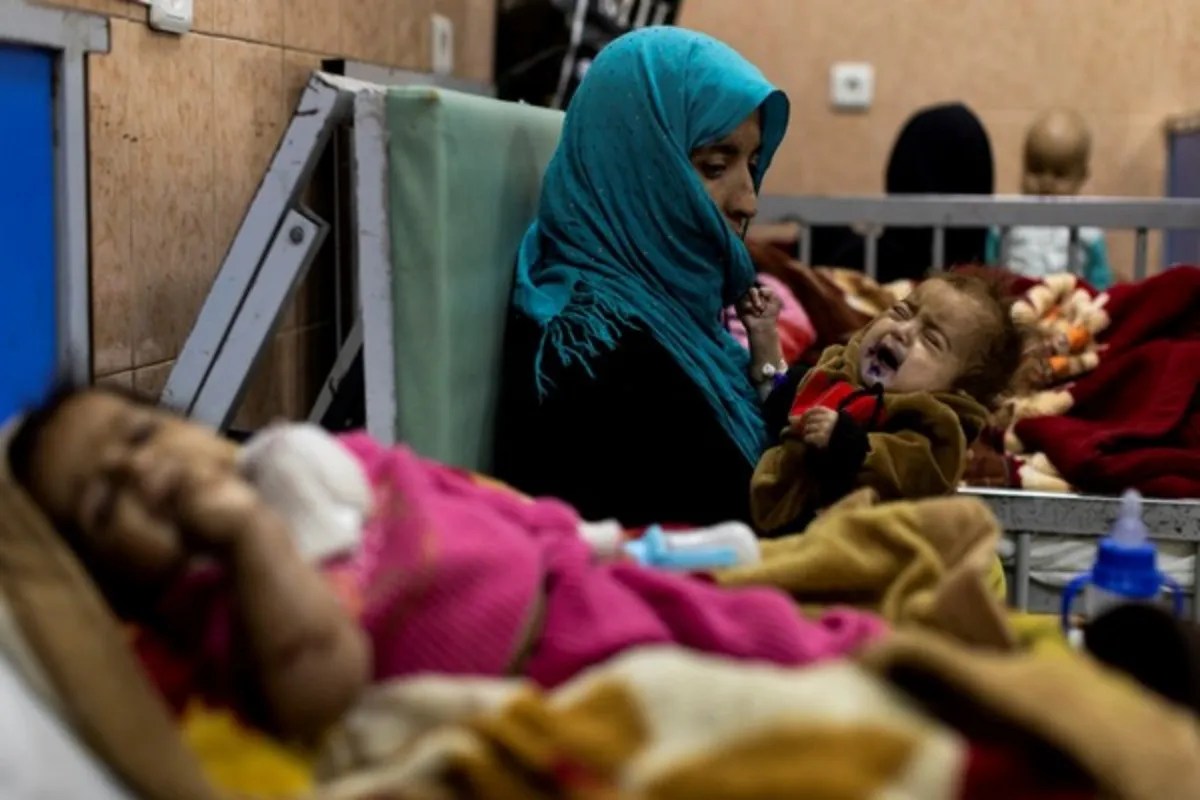
You can't fix a structural economic breakdown simply by handing out vitamin packets. That's the hard truth staring policy makers in the face whenever they examine the staggering statistics coming out of Pakistan's countryside. People love to blame bad eating habits or a lack of nutritional awareness for child stunting, but that explanation misses the actual target. The malnutrition crisis in Pakistan isn't a kitchen problem. It's a poverty problem driven by broken rural economics and deeply flawed supply lines.
When over forty percent of children under five suffer from chronic malnutrition, you aren't looking at isolated family choices. You are looking at a systemic failure that costs the nation upwards of seventeen billion dollars annually through lost human capital, reduced cognitive development, and stunted economic potential. Experts gathered at recent forums like Islamabad's 'Act for Nutrition' conference didn't mince words. They classified this issue as a full-blown human capital emergency. Yet, solutions continue to miss the mark because leaders treat it like a charity crisis instead of a structural economic flaw.
The Economics of Selling Your Own Food
Let's look at how rural reality actually operates on the ground. Imagine a household in a rural village raising chickens. Standard assumptions suggest that owning poultry guarantees eggs for the children's breakfast. But poverty forces a different calculation entirely. Selling those eggs becomes a survival mechanism. The cash generated from the sale goes toward buying cheaper, highly processed, calorie-dense foods that can feed the entire family for a longer stretch.
This isn't ignorance. It's desperate survival math. When families face severe cash crunches, nutritional value takes a backseat to sheer caloric volume and immediate budget balancing. You can lecture people about balanced diets all day long, but if keeping the livestock yields cash rather than meals for the kids, the economic pressure wins every single time.
Where the Value Chain Breaks Down
The disconnect between rural agricultural producers and urban consumer markets creates a massive wealth drain. Farmers toil away growing and raising food, yet the actual financial margins get swallowed up long before the produce hits city shelves. Weak value chains mean that smallholder farmers capture a fraction of the end-product value.
Without fair pricing, secure storage, and direct market access, rural producers remain trapped in cycles of debt and low income. Low income translates directly to poor household food security. The crisis actually begins long before a child takes their first breath. Maternal undernutrition during pregnancy, combined with backbreaking physical labor, lack of clean water, and absent health services, sets the stage for developmental failure before birth.
Shifting the Policy Narrative
Treating this crisis with temporary food handouts or short-term medical clinics is like slapping a bandage on a broken bone. If you want to reverse these numbers, economic policy must change.
Governments and international organizations need to focus on fixing agricultural supply chains so that rural workers actually retain the profits of their labor. Empowering small farmers with modern logistics, fair market linkages, and direct pricing models will inject cash straight into households where it matters most. Until economic reforms address the root causes of rural poverty and unequal wealth distribution in agricultural sectors, children will continue paying the highest price for a broken system. Stop expecting charity to fix what broken economics built.