Violence in southwestern Pakistan has broken through a long-standing barrier. For two decades, Baloch nationalist insurgents fought the state primarily in Balochistan's southern and central regions. Meanwhile, the province's northern, Pashtun-majority districts stayed relatively quiet. That dynamic changed entirely.
A sharp spike in attacks across areas like Pishin and Ziarat has transformed northern Balochistan into a dangerous new frontline. Data compiled by monitoring organizations like the Pakistan Institute for Conflict and Security Studies (PICSS) shows Balochistan has overtaken neighboring Khyber Pakhtunkhwa as Pakistan's most volatile province.
Understanding this shift requires looking at how multiple armed factions are expanding their reach and testing state capacity where it is already stretched thin.
The Northern Surge and the TTP Factor
Northern Balochistan is fundamentally different from the rest of the province. While the south features rugged terrain dominated by Baloch nationalist groups seeking independence or autonomy, the northern districts share deep linguistic, tribal, and geographic ties with the Pashtun belt of Khyber Pakhtunkhwa and the Afghan border.
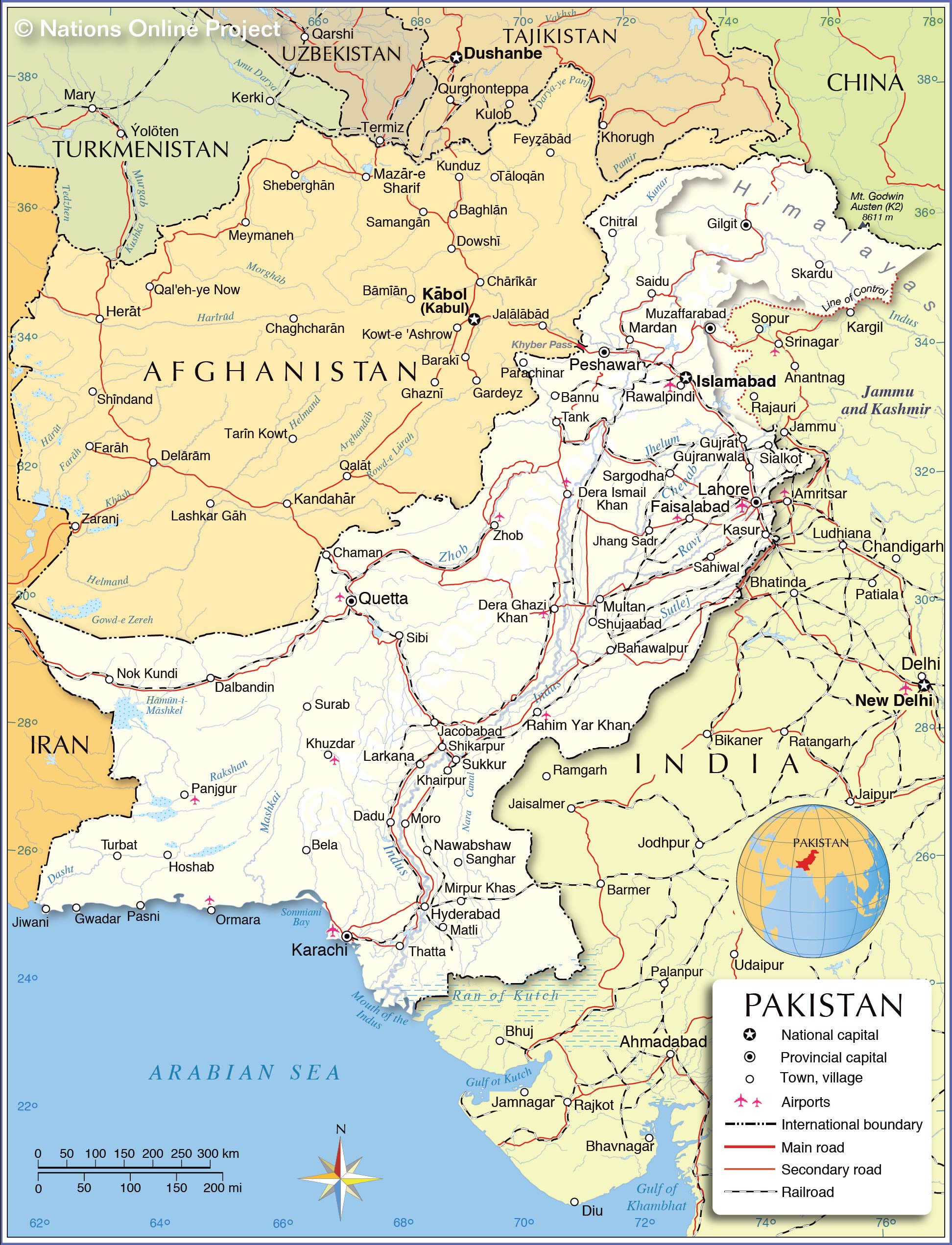
The Tehreek-e-Taliban Pakistan (TTP), often called the Pakistan Taliban, has increasingly shifted its operational focus toward these northern territories. On September 1, security forces fought off a heavy assault on a customs facility at Ziarat Cross in the Pishin district, located roughly 100 kilometers northeast of the provincial capital, Quetta. That clash left multiple armed fighters and several security and customs personnel dead.
Days later, operations in Shaban on Quetta's outskirts neutralized dozens more fighters. Security analysts point out that the TTP is trying to carve out permanent logistics lanes. They want to link their traditional northwest strongholds with new sanctuaries further south.
Choking Vital Economic Corridors
It is not just military outposts taking the hit. Economic infrastructure is buckling under pressure.
Consider the N-40 and N-25 highways. These routes serve as economic lifelines, connecting the border town of Taftan and Quetta down to Pakistan's financial hub, Karachi. Transport associations note that truckers have faced relentless threats, forcing them to park their rigs out of fear. Over 100 goods transport trucks have been torched on these corridors, leading to massive financial losses and the deaths of multiple drivers.
When highways become unusable, the ripple effects hit ordinary citizens immediately. Food prices spike, supply chains fracture, and local businesses stall.
Independent researchers tracking the region note that armed groups are deliberately hitting transportation links that hold both military and economic significance. By targeting roads previously thought secure, these factions stretch military resources thin. They force the state to guard every mile of asphalt.
Shifting Alliances and State Response
The security architecture in Balochistan faces a compounding crisis because it is fighting on two distinct fronts. In the south, the Baloch Liberation Army (BLA) continues high-profile ambushes and coordinated assaults. In the north, TTP activity escalates daily.
The convergence of these distinct rebellions creates a nightmare scenario for Islamabad. The state's response has relied heavily on kinetic operations—cordon-and-search sweeps, airstrikes across the Afghan border, and heightened checkpoints. Yet, critics and local researchers argue that heavy-handed tactics alone fail to address the core problem.
Tighter security measures often backfire economically. Checkpoints delay perishable goods, curfews disrupt local commerce, and residents feel trapped between militant violence and aggressive state crackdowns. If local communities perceive themselves as bearing both the economic cost of militarization and the physical danger of ongoing attacks, alienation deepens.
What Comes Next for the Region
The expansion of conflict into Balochistan's Pashtun areas proves that Pakistan's internal security strategy is failing to contain the spread of insurgent networks. Without addressing the governance deficit, securing major trade routes, and stabilizing the porous border regions, the violence will only compound.
The state must shift from reactive military sweeps to comprehensive economic protection for logistics corridors while rebuilding trust with local populations caught in the crossfire. Until then, northern Balochistan remains a volatile flashpoint where no highway is safe and no frontier is secure.