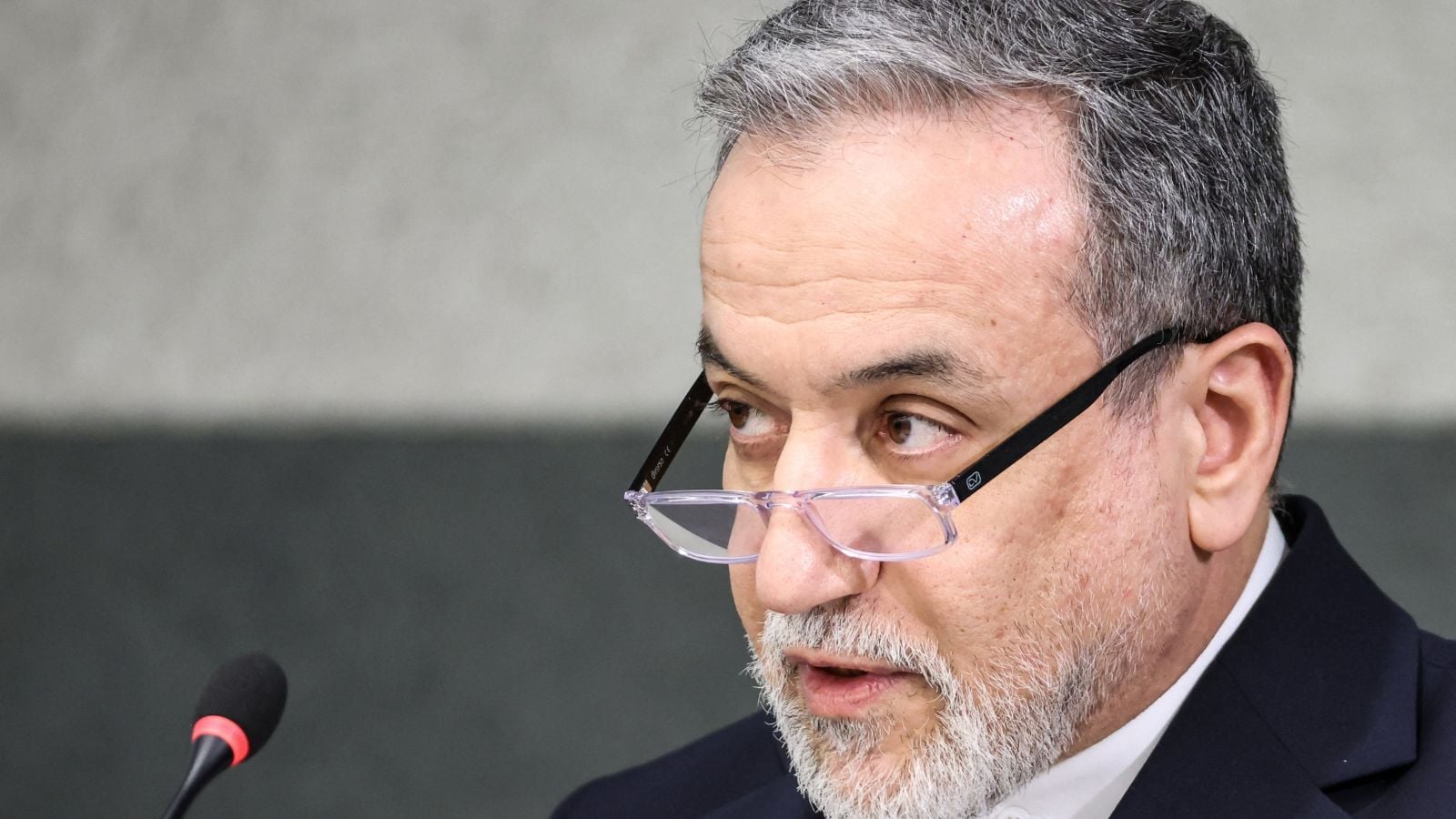
Geopolitical surprises don't get much bigger than Islamabad stepping into the ring as a primary diplomatic mediator between Washington and Tehran. When Prime Minister Shehbaz Sharif extended invitations to top Iranian leaders alongside US representatives for high-stakes negotiations, cynics scoffed. They shouldn't have. With the fallout from the intense US-Israel-Iran conflict threatening global economic stability—particularly concerning the vital transit lanes of the Strait of Hormuz—Pakistan's diplomatic push has forced a hostile Washington and an equally suspicious Tehran into the same geographic orbit.
The Anatomy of Islamabad's Diplomatic Gambit
Why Pakistan? That's the question security analysts keep asking. For starters, Islamabad maintains a delicate, complex balancing act in regional politics. Army Chief General Asim Munir and Prime Minister Sharif managed to secure buy-in from both sides by positioning the capital as a neutral, heavily secured ground for a make-or-break summit. Don't miss our previous article on this related article.
When a massive Iranian delegation—led by parliament speaker Mohammad Bagher Ghalibaf—touched down at Nur Khan Air Base, it signaled that Tehran was willing to test the waters. Yet, deep-rooted distrust remains the elephant in the room. Iranian officials made it clear upon arrival that while they accepted the invitation to talk, their historical experience with American broken promises leaves very little room for naive optimism.
On the other side, the American delegation, featuring Vice President JD Vance and special envoy Steve Witkoff, arrived with rigid preconditions. Washington's primary focus centered heavily on dismantling nuclear ambitions and securing immediate navigation rights through the blockaded oil corridor. If you want more about the background of this, Al Jazeera provides an in-depth breakdown.
What the Headlines Miss About the Regional Calculus
Most mainstream coverage treats these summits like a Hollywood script where enemies magically shake hands and solve regional wars over coffee. Real life is messier.
- The Navigation Crisis: The closure of the Strait of Hormuz chokes off roughly one-fifth of global crude supplies. Trump's insistence on opening the strait with or without Iranian cooperation means the military threat hangs heavily over every single negotiation table inside Islamabad's heavily guarded red zone.
- The Regional Proxy Factor: Tehran entered these talks expecting concessions regarding ongoing regional flashpoints, including strikes in Lebanon. When those broader security demands aren't immediately met, the fragility of the entire framework gets exposed.
Pakistan isn't working in a vacuum either. Coordination with regional heavyweights like Turkey, Saudi Arabia, Egypt, and even backchannel discussions involving Beijing show that a multi-polar safety net is being cast around these talks. China's shadow as a potential guarantor of any lasting arrangement adds an extra layer of strategic weight that traditional Western diplomats often underestimate.
Navigating the Road Ahead
If you are tracking global markets or international security, don't look at these negotiations as a guarantee of lasting peace. Look at them as a high-stakes stress test. The gap between American demands for non-proliferation and Iranian demands for unfreezed assets and lifted sanctions remains wide.
Watch how both sides handle the fallout when initial deadlines slip. Keep an eye on energy shipping insurance rates and regional military posture updates rather than political rhetoric. Diplomacy at this level is rarely linear; it's a series of calculated pauses before the next major strategic pivot.
US, Iranian, Pakistani Leaders Arrive For Talks At Swiss Resort | Iran Claims Strait Of Hormuz Shut
This video provides a direct look at the international delegations arriving for critical diplomatic talks and highlights the ongoing friction surrounding vital energy corridors.
http://googleusercontent.com/youtube_content/1