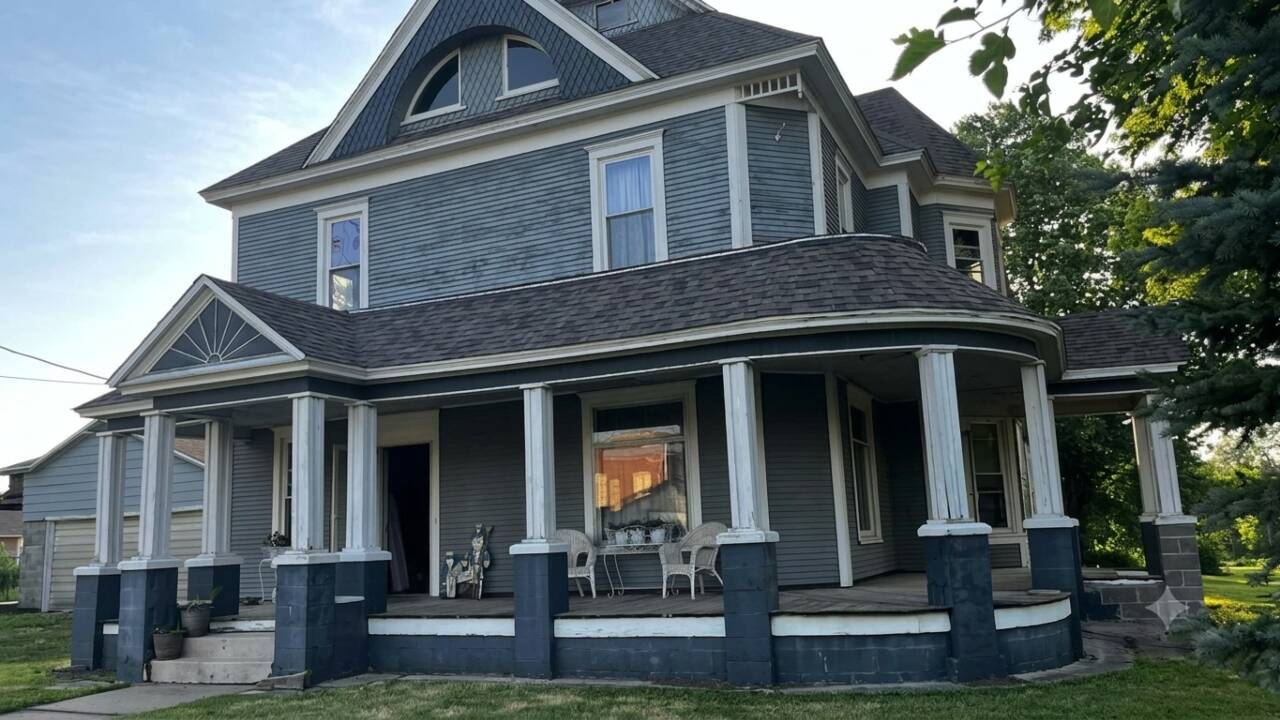
Most people spend their retirement years chasing comfort, ease, and lower property taxes in a sunny tax-friendly state. Rebecca Roucloux Avery did the exact opposite. At 67, she walked away from a brand-new home in Austin, Texas—a city most people bleed money just to move into—and traded it for a crumbling, 132-year-old Victorian fixer upper in a small Illinois town.
It sounds completely irrational until you look at the numbers and realize what living spaces are actually for. She picked up a 4,000-square-foot brick monster with a mansard roof for $97,500. But the initial purchase price was just the entry fee. Four months and only 1,000 square feet into the restoration, she had already burned through $85,000 in repair bills.
If you are eyeing old historic homes or thinking about packing up your modern life for a century-old passion project, you need to know the unfiltered reality of what buying a historic home actually entails.
The Real Cost of Cheap Historic Property
People see a bargain online and lose their minds. A 4,000-square-foot Victorian selling for under $100,000 feels like highway robbery in today's housing market. But cheap historic homes are cheap for a reason. They come packaged with decades of deferred maintenance, structural neglect, and hidden disasters.
Avery found her house through a mix of Facebook networking and direct outreach after spotting a different local property that caught her eye. The owner of the 1894 Victorian had bought it at an auction years prior for a mere $10,000 while it sat rotting with a leaking roof, no working kitchen, no air conditioning, and fire damage in the basement.
By the time Avery and her realtor negotiated the price down from $160,000 to $97,500, she thought she was beating the system. Then the bills rolled in.
- Foundation stabilization: $45,000
- Roof replacement and rotted decking: $40,000
- Electrical overhauls: Countless hours removing dangerous knob-and-tube wiring
Before you even think about picking out paint colors or stripping wallpaper, you have to keep the roof over your head and the building from sinking into the dirt. Those two line items alone swallowed nearly as much cash as the entire purchase price of the house.
Expect the Unexpected Surprises
Every old house has secrets, and none of them are pleasant. When you start tearing open century-old walls, you are inviting chaos into your living room.
Avery learned this lesson the hard way. During the roof repairs, workers sealed off an old chimney, which accidentally trapped a colony of live bats inside. Picture sitting peacefully on your couch watching television only for wild bats to suddenly start dive-bombing your living space.
Then came the water. Heavy rain brought a flooded basement, requiring a sump pump and twelve agonizing hours of bailing water while in tears. Weird architectural relics from the late 19th century also threw wrench after wrench into their floor plans. At one point, the third floor featured an open balcony looking straight down over a massive garden tub in a bathroom below. They had to frame it out, sheetrock over the void, and convert the odd mezzanine space into a standard closet.
Historic preservation isn't a weekend DIY show on television. It's a gritty endurance test.
Sweat Equity is Mandatory
If you don't have a massive contractor budget, your own labor becomes your currency. Avery and her partner split the workload to keep costs from spiraling entirely out of control. Her partner handled the dangerous technical components, like ripping out obsolete electrical systems. Avery tackled the endless cosmetic and surface prep.
She spent over 40 hours working on a single bedroom alone—stripping old layers of wallpaper, skim-coating uneven plaster walls, and sanding surfaces down to bare wood. When you take on a 4,000-square-foot house, you quickly realize that your physical body has limits. At 67, climbing steep historical staircases multiple times a day is a workout you didn't ask for.
Why Do It Anyway
At 4,000 square feet, the Victorian house is twice the size of what Avery actually needs. It's drafty, expensive to heat, and demands constant physical upkeep. So why stay?
Because modern master-planned communities can't replicate a sense of genuine human connection. Within months of moving in, neighbors started regularly stopping by to ask about the progress. She has welcomed roughly two dozen people inside just to tour the skeleton of the ongoing project. Locals express deep gratitude that someone is actively saving a prominent piece of their town’s local history rather than letting it turn into a vacant lot.
Moving across the country for family proximity turned into a complete lifestyle restructuring. You trade the sterile perfection of modern construction for quirks, character, and a community that cares. Just make sure your savings account is ready to bleed right along with your knuckles.