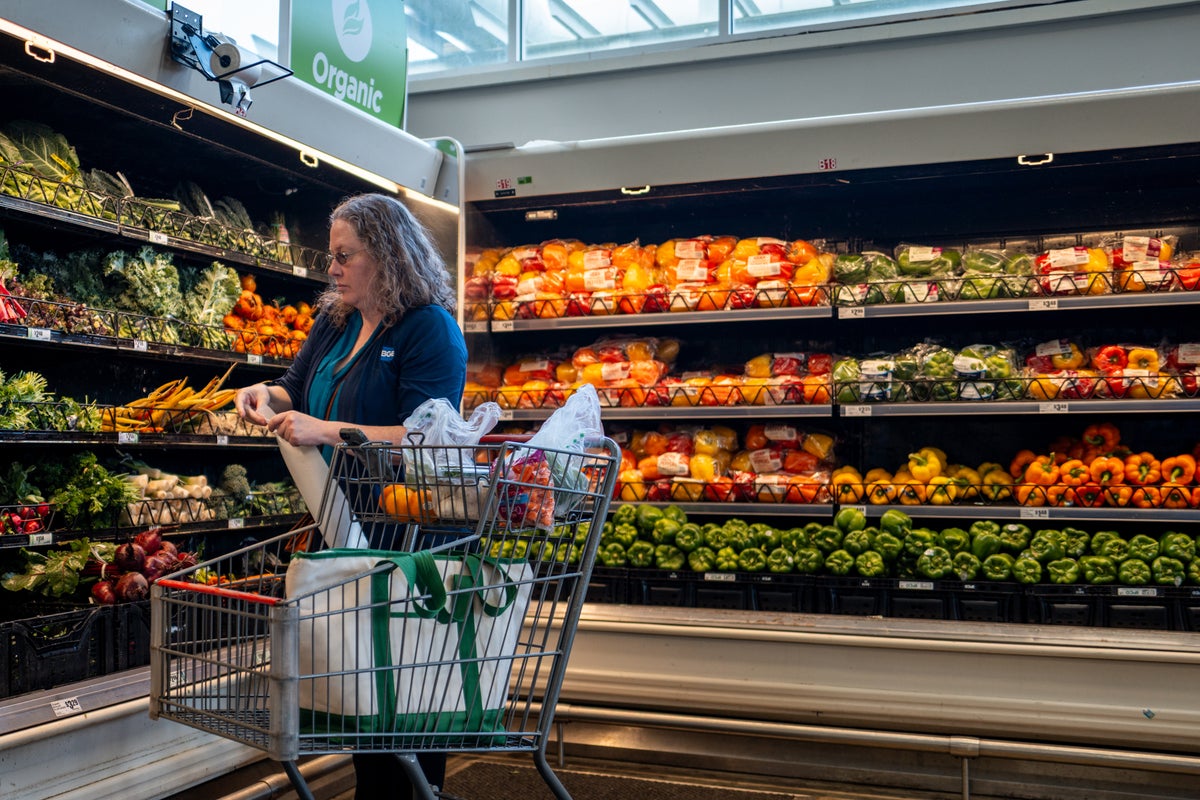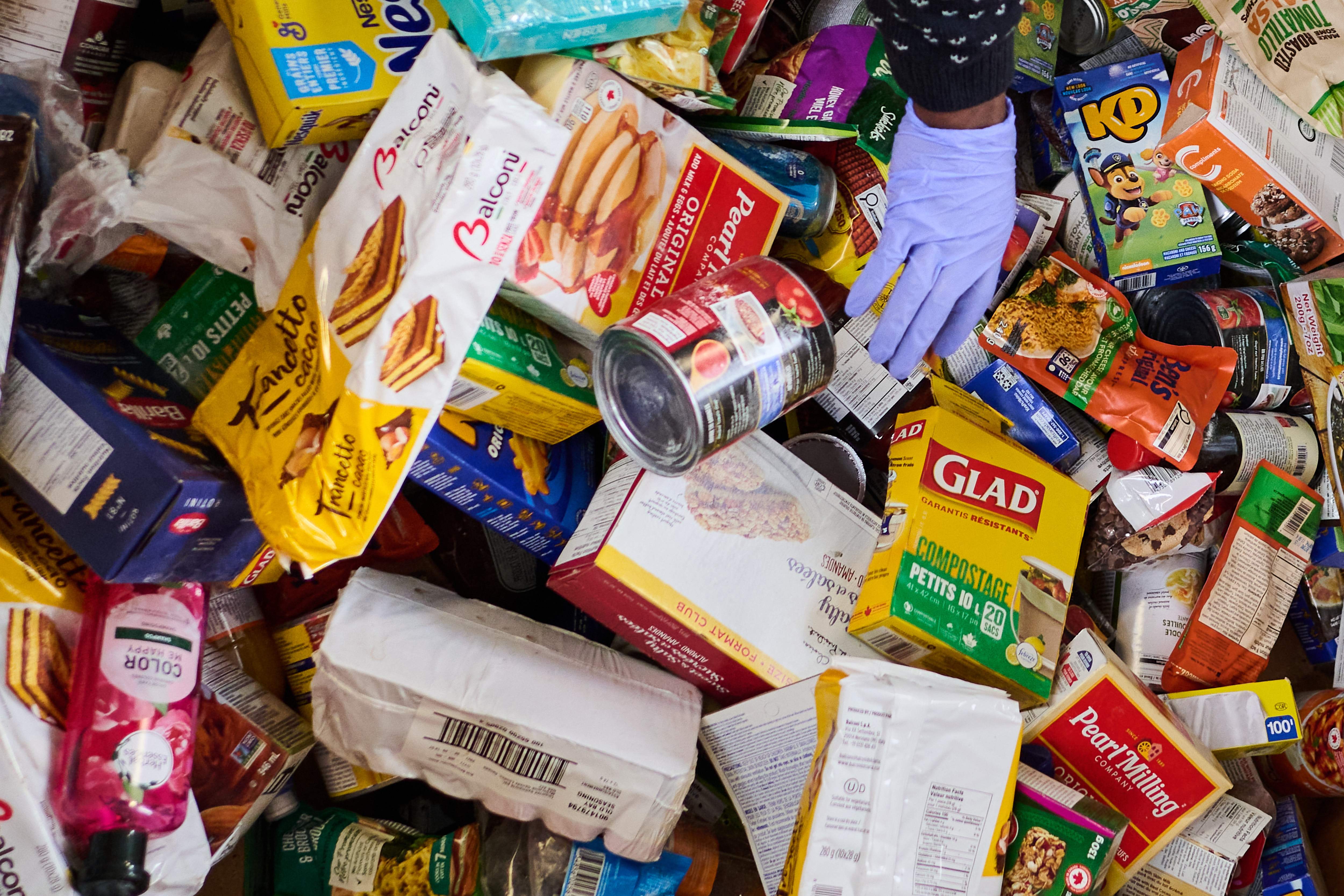
You shouldn't have to choose between keeping a roof over your head and feeding your family. Yet, across southwestern Ontario, that exact impossible trade-off has become a daily reality for a massive portion of the population.
Recent data released by regional health units reveals a harsh truth. One in four households across southwestern Ontario faced severe household food insecurity in 2024. That is not a marginal issue. It is a full-blown public health crisis hiding in plain sight.
The Reality Behind the Numbers
When health officials from regions like Windsor-Essex, Middlesex-London, Southwestern Public Health, Huron Perth, and Grey Bruce look at the numbers, they see a systemic failure. The average regional food insecurity rate sits at a staggering 25.3 percent. In specific urban pockets like London, that number climbs even higher, hitting roughly 30 percent.
People aren't struggling because they don't know how to budget. They are struggling because basic living costs have completely decoupled from local wages and social supports.
Housing costs eat up the lion's share of monthly budgets. When rent takes up seventy or eighty percent of a household's income, groceries become the flexible expense. You can't turn off your rent, but you can skip meals. You can buy cheaper, less nutritious food. You can ration what is in the pantry until it runs out entirely.
Why Food Insecurity is an Income Problem, Not a Spending Problem
There is a persistent myth that poverty and hunger stem from poor financial literacy or poor shopping habits. Experts are tired of repeating themselves on this point.
Food insecurity is an income crisis.
Look at what happens to individuals relying on social assistance programs like Ontario Works. Public health tracking shows that a single adult on Ontario Works faces a monthly budget deficit ranging from $301 to $859 after paying rent. That means even if they spend zero dollars on clothing, transportation, utilities, or personal care, rent alone wipes them out. There is literally nothing left for food.
Modest-income earners face a similar crunch. Inflation has driven the cost of fresh produce, dairy, and proteins through the roof. Minimum wage jobs simply haven't kept pace. When your paycheck vanishes the second it lands in your account, eating healthy isn't a choice anymore. It's a luxury.
The Toll on Health and Schools
You cannot separate what someone eats from how they function. The human body and mind break down under chronic nutritional stress.
Public health data links food insecurity directly to a higher risk of chronic diseases. We are seeing spikes in diabetes, heart conditions, and poor oral health among low-income populations. Mental health takes a massive hit, too. Constant, grinding stress about your next meal breeds anxiety and depression.
The toll on children is heartbreaking. When kids grow up in food-insecure homes, their development suffers. Hunger impacts concentration, mood, memory, and motor skills. Try learning fractions or focusing on a history test when your stomach hurts from a lack of food. It changes a child's entire trajectory.
Emergency Food Programs are Not the Cure
Food banks are working around the clock. Lines are longer than ever, and donations are dropping as regular families feel the pinch themselves.
But we need to be honest about what food banks can and cannot do. Food banks are emergency triage. They are a bandage on a gash that requires stitches. They keep people alive for another week, but they do not solve food insecurity. Handing out a can of soup doesn't fix a structural income deficit.
What Actually Needs to Happen
Local health units are pushing for structural changes because small tweaks won't move the needle.
The Association of Local Public Health Agencies has called on the provincial government to substantially raise social assistance rates, specifically targeting Ontario Works. Income supports need to reflect the actual cost of living in 2026.
Beyond that, we need aggressive housing policies. Rent control and affordable housing construction directly lower the pressure on family budgets. If rent drops to a sustainable level, people suddenly find room in their budgets for groceries.
If you want to help, stop treating hunger as a charity problem alone. Support local advocacy groups, push your municipal and provincial representatives for income-based solutions, and recognize that a community is only as healthy as its most vulnerable members.
Fix the income. Fix the housing. Everything else follows.