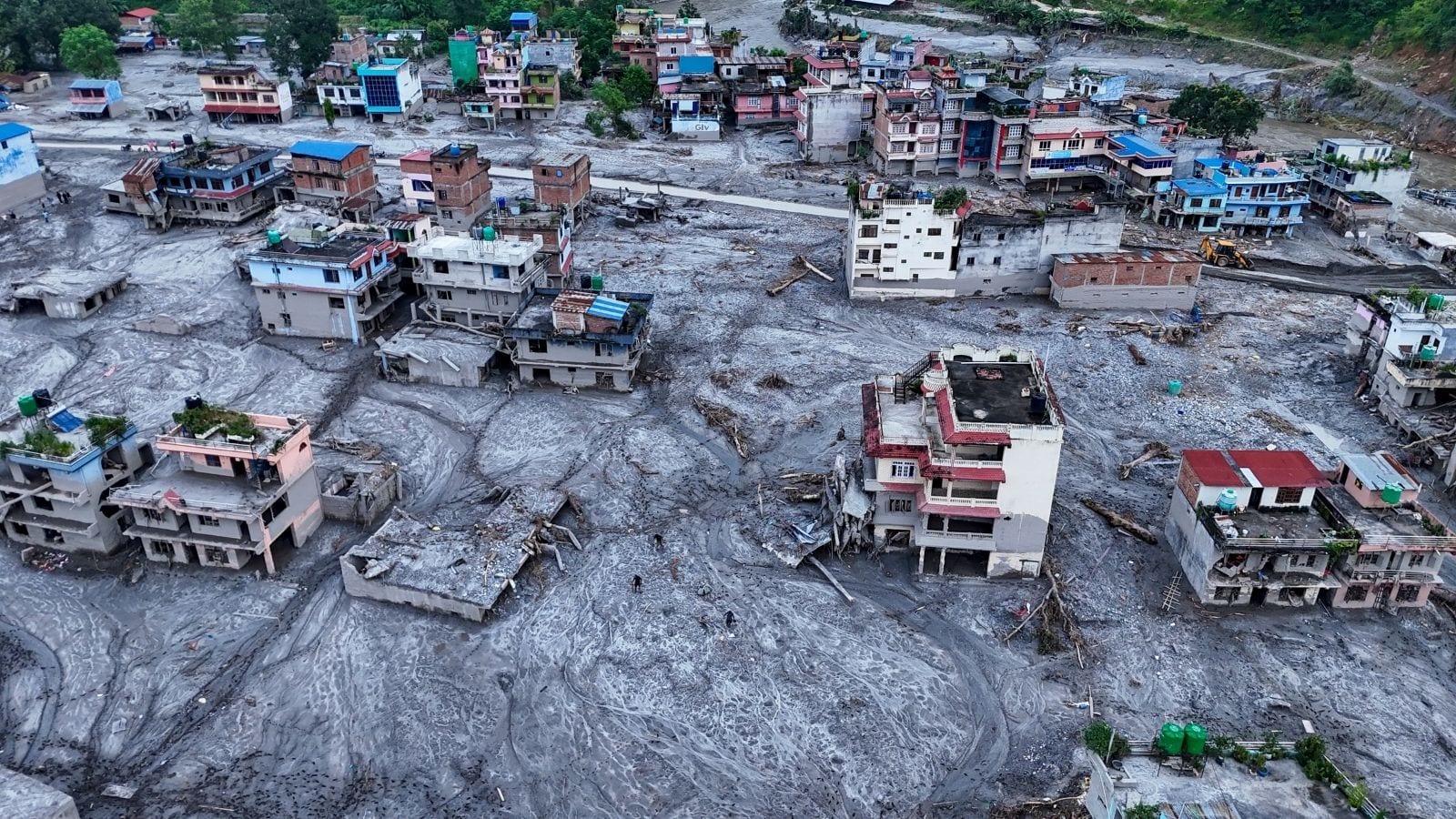
When the ground stops shaking, the real nightmare often begins. Months after devastating earthquakes struck Venezuela, leaving structural ruins and shattered communities in their wake, some families are still staring at empty chairs and unanswered questions.
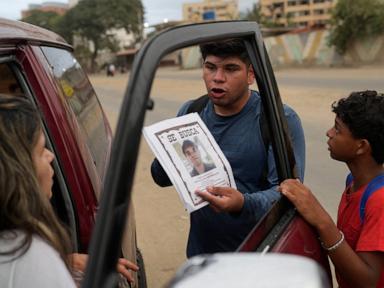
Take the case of 18-year-old Andrés Molina. In the coastal state of La Guaira, his relatives—including family members like Antonella Molina and Pedro—refuse to accept the silence. Since the disasters struck, official channels have offered precious little closure, forcing families to take matters into their own hands. They’re putting up flyers, chasing down neighborhood rumor sightings, and doing the heavy lifting that official emergency response agencies left behind.
The Agony of Waiting From Afar
Disaster doesn’t respect international borders. For many Venezuelans living abroad, the horror of June's earthquakes meant watching structural collapses unfold through phone screens thousands of miles away.
Consider the experience of Kelly Granado Montano, a restaurant owner living in Los Angeles. Her elderly parents, Marina and Jesús, were caught when their 10-story building collapsed in La Guaira. For weeks, Granado Montano managed a grueling long-distance search, fundraising and pleading on social media just to get heavy machinery directed toward their specific site.
Official help was sparse. Volunteers and family members on the ground had to shoulder the financial and physical burden of moving debris. It wasn't until months later, after community-driven efforts and donated equipment finally uncovered the truth, that her family's fate was confirmed.
Why Grassroots Recovery Fills the Void
When government infrastructure fails or resources run thin during major natural disasters, the weight falls entirely on local shoulders. We see a recurring pattern in seismic emergencies:
- Information Gaps: Official databases often lag behind reality, leaving families dependent on word-of-mouth reports and social media networks.
- Resource Constraints: Heavy excavation tools, drones, and specialized rescue teams are rarely deployed evenly across all affected neighborhoods.
- Diaspora Mobilization: Communities abroad turn local businesses into relief hubs, sending supplies and funding private recovery operations back home.
Families like the Molinas aren't looking for political statements. They just want answers about their missing relatives. When institutions stall, grassroots persistence remains the only engine driving the search forward.
If you are following international disaster responses or looking to support grassroots humanitarian efforts in Venezuela, direct your support toward verified local volunteer groups and community-led relief funds on the ground. Closure shouldn't be a luxury reserved for those with resources. It's a fundamental right for every grieving family.