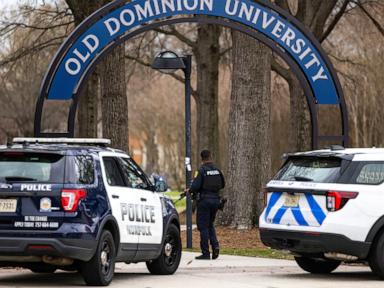
When a tragedy strikes a campus, the immediate reaction is always the same. People demand to know how the warning signs were missed.
A newly released investigative report reveals a terrifying reality about the March campus shooting at Old Dominion University. The school had zero idea that the gunman, Mohamed Bailor Jalloh, possessed a federal terrorism-related conviction. Jalloh spent eight years behind bars for trying to aid the Islamic State before re-enrolling at the public university in Norfolk.
Nobody warned the administration. Not the federal probation officer assigned to his case, and not law enforcement agencies that tracked his past.
The Blind Spots in University Admissions
State law in Virginia ties the hands of universities. Institutions cannot legally ask applicants about their criminal history during the initial admission or readmission process. Schools must rely entirely on self-disclosure.
Let's be honest. Someone with a federal terrorism conviction isn't going to check a voluntary box admitting their past on a college application form. Trusting violent offenders to self-report is a broken policy.
Jalloh originally attended Old Dominion starting back in 2007 before taking a leave, getting arrested, and serving time. When he finished a drug treatment program and secured early release from federal prison, he easily slipped back into university life in May of the previous year. The system treated him like any other returning student.
Where the Communication Pipeline Broke Down
The independent investigation, conducted by the law firm Cooley, lays bare a massive failure of inter-agency communication.
Federal probation officers work closely with individuals transitioning out of federal custody. They know where these individuals live, work, and study. Yet, the probation officer supervising Jalloh never notified campus officials about the severe safety risk he presented.
If Old Dominion administrators had known the truth, they would have barred him from campus entirely. Instead, he walked right back into classrooms.
In March, Jalloh walked into an ROTC class, asked if it was military instruction, and opened fire. Two students suffered injuries, and Army veteran and instructor Lt. Col. Brandon Shah lost his life.
Extraordinary Heroism Amid Chaos
The report doesn't just focus on administrative failures. It highlights raw, split-second bravery.
When Jalloh pulled the trigger, Lt. Col. Shah didn't hesitate. He immediately grappled with the gunman. That decisive, selfless action bought vital seconds. Cadets in the room jumped into the fray, helping to disarm the attacker and allowing others to flee to safety. Shah died of his wounds, but his choice saved multiple young lives.
Campus police responded with swift execution, but the damage was already done.
Fixing the Institutional Protocol
Old Dominion President Brian O. Hemphill promised a full and immediate rollout of the safety recommendations issued in the Cooley report. But policy changes at a single university won't fix a statewide legislative gap.
Lawmakers must reexamine restrictions that blind universities to violent criminal histories. Privacy protections matter, but student safety has to override the right to conceal a violent past from an institution of higher education. Law enforcement agencies also need mandatory protocols to notify campus safety departments whenever high-risk individuals enroll on educational grounds.
Transparency is the baseline of prevention. Until federal agencies and state statutes align, campuses remain vulnerable to invisible threats.
Former UVA student pleads guilty in 2022 mass shooting that left 3 dead, 2 wounded
This video provides additional context on how prior institutional blind spots and legal proceedings unfolded during a similar major Virginia campus shooting tragedy.
http://googleusercontent.com/youtube_content/1