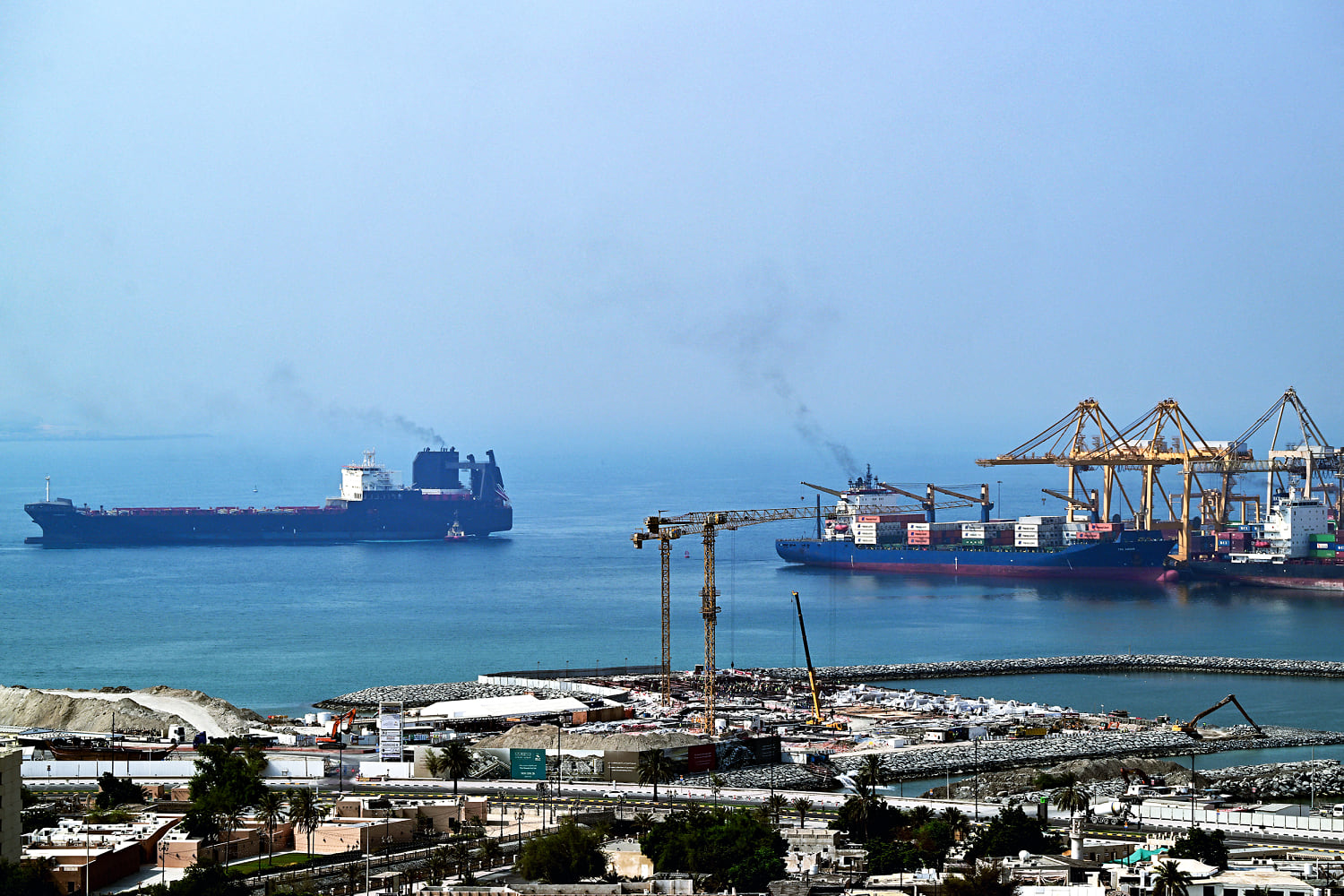
If you thought the global energy shock was over, the past few weeks offered a blunt reality check. Oil has shot back up past $95 a barrel, driven by an escalating cycle of military strikes, stalled diplomacy, and fresh threats to global shipping routes.
Traders who bet on a peaceful summer in the energy markets are scrambling. With the U.S. widening airstrikes against Iranian targets for 11 straight days and Washington actively downplaying prospects for a quick diplomatic deal, supply concerns are back with a vengeance. Throw in new threat vectors across both the Strait of Hormuz and the Red Sea, and you have a recipe for sustained price volatility.
Here is what is actually going on behind the headlines, why the market is reacting so violently, and how this impacts your financial planning.
The Friction in the Persian Gulf and Red Sea Explained
The energy market isn't just reacting to cross-border military strikes. It's reacting to the geographic vulnerability of global trade. About a fifth of the world's daily petroleum consumption flows through the Strait of Hormuz, a narrow waterway between Iran and Oman. When tension rises there, every major oil trader on earth gets nervous.
Things got worse when threats expanded to a second critical choke point. The Iran-backed Houthi movement recently signaled a naval blockade targeting trade routes around Saudi Arabia and the Red Sea. That leaves energy exporters with almost no fallback options.
When both the Strait of Hormuz and the Bab el-Mandeb Strait face simultaneous disruptions, rerouting crude becomes nearly impossible. Shipping lines have to take the long way around Africa, which adds weeks to transit times, drives up maritime insurance premiums, and burns millions of extra gallons of fuel just in transport. That additional friction gets priced into every barrel of Brent crude you see on the news.
Why Washington Downplaying Diplomacy Matters
For weeks, energy analysts clung to the hope that negotiations mediated by regional partners like Qatar and Pakistan would cool off military actions. Those hopes evaporated when U.S. leadership signaled that peace talks are essentially off the table for the near term.
When the U.S. administration revoked Iran's temporary oil export waivers and signaled a shift toward sustained pressure, the safety margin in oil markets disappeared. Market participants hate uncertainty, but they hate confirmed conflict even more.
Wall Street banks, including Goldman Sachs, have warned that if hostilities continue to squeeze regional supply infrastructure, Brent crude could easily test $120 a barrel before the end of the year. While $120 isn't the base case scenario for every analyst, the simple fact that major institutions are running those numbers tells you how fragile the supply-demand balance has become.
How Energy Inflation Ripples Through the Economy
A spike in crude isn't just a problem for airline executives or gas station owners. It acts as an immediate, regressive tax on consumers and businesses alike.
Wholesale Diesel and Freight Charges
When crude rises, refined products follow immediately. Wholesale diesel prices in Europe and North America are surging, which directly pushes up trucking and logistics costs. Every item sitting on a grocery store shelf got there on a truck, so higher diesel prices convert to food inflation within weeks.
Bond Markets and Interest Rates
Bond yields have spiked alongside oil. Why? Because central bankers can't easily cut interest rates when energy prices are pushing headline inflation higher. The yield on 10-year U.S. Treasuries has stayed elevated as traders price in the likelihood that interest rates will stay higher for longer to combat energy-driven price hikes.
Consumer Gas Prices at the Pump
Retail pump prices always react faster to rising crude than they do to falling crude. Drivers are already seeing double-digit cent jumps per gallon at the pump, eroding discretionary income that might otherwise go toward retail spending, entertainment, or savings.
Common Misconceptions About the Current Oil Rally
Many commentators assume that because the U.S. produces a massive amount of domestic crude, North America is somehow immune to Middle Eastern disruptions. That's simply not how global commodity markets function.
Oil is a globally traded fungible commodity. If European or Asian refiners can't source Middle Eastern crude due to Hormuz or Red Sea blockades, they bid up light sweet crude produced in North America and West Africa. Prices rise everywhere, regardless of where the oil was pumped out of the ground.
Another misconception is that strategic petroleum reserves can easily fix the shortage. While emergency releases can cushion short-term panic for a few weeks, they can't replace a long-term deficit caused by blocked shipping lanes or damaged port infrastructure. Reserves are a temporary bridge, not a permanent fix.
Concrete Steps to Protect Your Wallet and Portfolio
Instead of panicking over daily oil charts, you can take practical steps to insulate your personal finances and investments from sustained energy volatility.
- Audit your transport expenses immediately. If your daily commute or business operations rely heavily on fuel, look into options for route optimization, carpooling, or remote work where possible. Small operational tweaks cushion the hit at the pump over a full quarter.
- Review your equity allocation. High energy prices drag on heavy consumers of fuel, like airlines, logistics providers, and traditional retail. Conversely, upstream energy producers and defense contractors often act as natural hedges during geopolitical shocks.
- Keep cash reserves in yield-bearing accounts. High bond yields mean short-term money market accounts and Treasuries continue to pay respectable rates. Holding liquid cash in high-yield vehicles gives you flexibility while central banks navigate sticky inflation.
- Avoid panic-buying long-term futures or leveraged energy ETFs. Tactical trading during geopolitical crises is notoriously risky. Prices swing wildly on single news updates or official statements. Stick to disciplined asset allocation rather than day-trading crude headlines.
Energy shocks are disruptive, but they follow familiar patterns. By understanding how shipping choke points, diplomatic statements, and refined fuel markets interact, you can make clear-headed decisions for your business and personal capital.