You think your goodness can fix anyone. You invest hours listening to a complaining coworker, pour cash into a relative's endless financial black hole, or shield a toxic friend from the blowback of their terrible life choices. You expect appreciation. Instead, you get a knife in your back the second they get what they want.
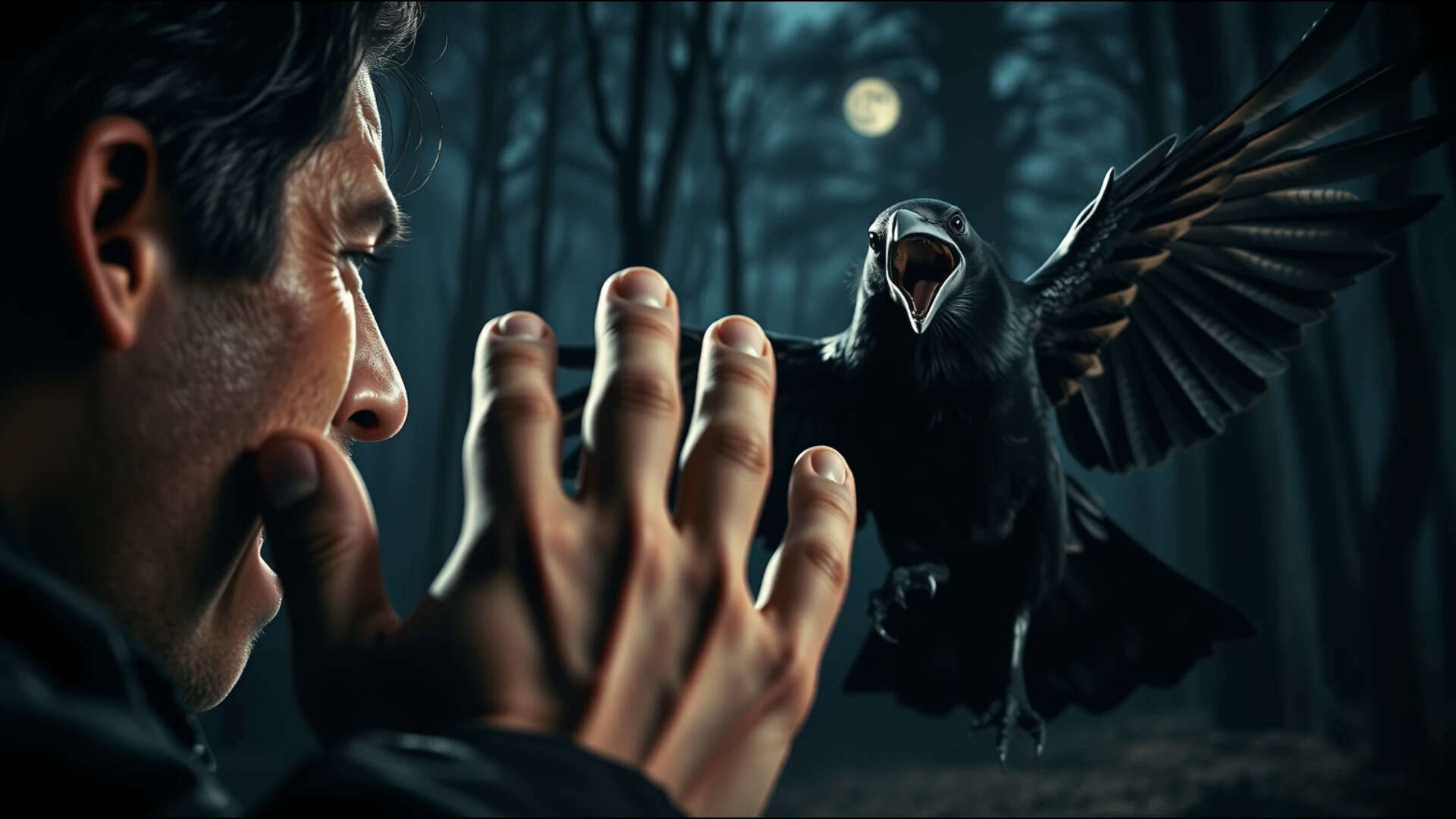
Spaniards have a brutal, legendary phrase for exactly this scenario. They say, cría cuervos y te sacarán los ojos. Literally translated, it means raise crows and they will pluck out your eyes. Building on this topic, you can find more in: Why The Tiny House Movement Is Looking Less Like A Dream And More Like A Trap.
This isn't just a quaint piece of old European folklore. It's an aggressive, timeless psychological warning about the danger of blind trust, unearned generosity, and the harsh truth of human ingratitude. Let's break down why this ancient warning hits so hard today and how you can stop setting yourself up for emotional bankruptcy.
The Pitch Black Reality of Human Ingratitude
We are conditioned to believe that kindness creates a reciprocal loop. The psychological world calls this the norm of reciprocity. When you do something nice, the other person feels an inherent evolutionary pressure to return the favor. Experts at Apartment Therapy have shared their thoughts on this matter.
Except when they don't.
Some people don't experience that pressure. Instead, they view your generosity as an easy weakness to exploit. The Spanish proverb uses a crow for a reason. Crows are incredibly smart, fiercely opportunistic, and highly focused on survival. If you take a wild, scavenger chick into your home, feed it, and protect it, you haven't changed its genetic makeup. Its natural instinct remains. When it grows strong and hungry, it won't see your face as a symbol of love. It will see your shiny, moving eyes as a food source.
The biggest mistake you can make is assuming that your patience can rewrite someone else's character. Sacrificing your peace won't make a selfish person suddenly develop an empathetic conscience. They will simply drain your resources and fly away.
Where Betrayal Hurts the Most
Betrayal never comes from your enemies. By definition, it requires proximity. It requires someone you have personally built up, supported, or defended against others.
Think about the classic modern examples. Consider the mentor who spends years training an eager assistant, sharing confidential strategies and client contacts. The moment that assistant feels powerful enough, they vanish overnight, stealing those exact clients to launch a rival firm.
Think about the family dynamic where one sibling constantly bails out another, covering bills and making excuses for reckless behavior. The moment the enabler draws a boundary and says no, the dependent sibling morphs into a bitter enemy, spreading venomous lies to the rest of the family.
The pain of these situations doesn't stem from the loss of time or money. It stems from the profound sense of injustice. You didn't just lose something. You were actively harmed by the entity you protected. The attack feels completely unnatural, yet it happens every single day in corporate offices, friend groups, and living rooms.
The Fine Line Between Generosity and Self Destruction
Am I saying you should become a cold, cynical misanthrope who never helps anyone? Absolutely not. Generosity is the glue that keeps human society functional. But blind generosity without discernment is just slow-motion social suicide.
You need to learn the difference between supporting someone who is struggling and enabling a predator. True support empowers people to stand on their own feet. Enabling simply builds a dependent monster that will eventually resent you for the very help you provide.
People who constantly take without giving back eventually grow to despise their benefactors. Why? Because your presence serves as a permanent, living reminder of their weakness and dependency. To escape that uncomfortable feeling of inferiority, they choose to rewrite the narrative. They convince themselves that you were controlling them, or that you owed them all along. The moment they feel strong enough to survive without you, they attack your reputation to justify their own exit.
How to Spot a Crow Before It Plucks Your Eyes Out
You can easily identify these personality types early if you pay close attention to how they interact with the world around them. Stop ignoring the obvious red flags just because you want to believe the best in people.
First, observe how they treat people who can do absolutely nothing for them. Watch their behavior with servers, retail workers, or lower-level employees. If they switch from charming with you to dismissive and cruel with others, you are looking at a calculating opportunist. They are only treating you well because you currently have something they need.
Second, listen to their personal history. If every story they tell involves them being an innocent victim of a horrible boss, an unstable ex, or a jealous friend, run. People who take zero accountability for their past conflicts will eventually cast you as the villain in their next story.
Third, test their reaction to a minor boundary. Say no to a small request. A healthy person will accept a boundaries with respect. An entitled opportunist will lash out with guilt trips, passive-aggressive remarks, or sudden coldness. Their anger proves that they didn't value your kindness. They only valued your compliance.
Steps to Take Right Now to Protect Yourself
If you realize you are currently nurturing a crow in your professional or personal life, you need to change your strategy immediately. Do not announce your retreat. Do not start a massive, dramatic confrontation. Predators thrive on drama and information.
Start by quietly cutting off the supply of unearned resources. Stop volunteering for extra emotional labor. Stop offering financial bailouts. Stop offering free strategic advice. Scale back your communication to a purely transactional level.
Expect them to get angry or try to guilt you. When they realize the easy handouts are gone, their true nature will show itself. Let them squawk. Keep your boundaries completely ironclad and focus your precious energy on people who have demonstrated real loyalty and mutual respect over time.
Save your empathy for those who actually possess a conscience. Stop giving away your vision to people who only want to take your sight.