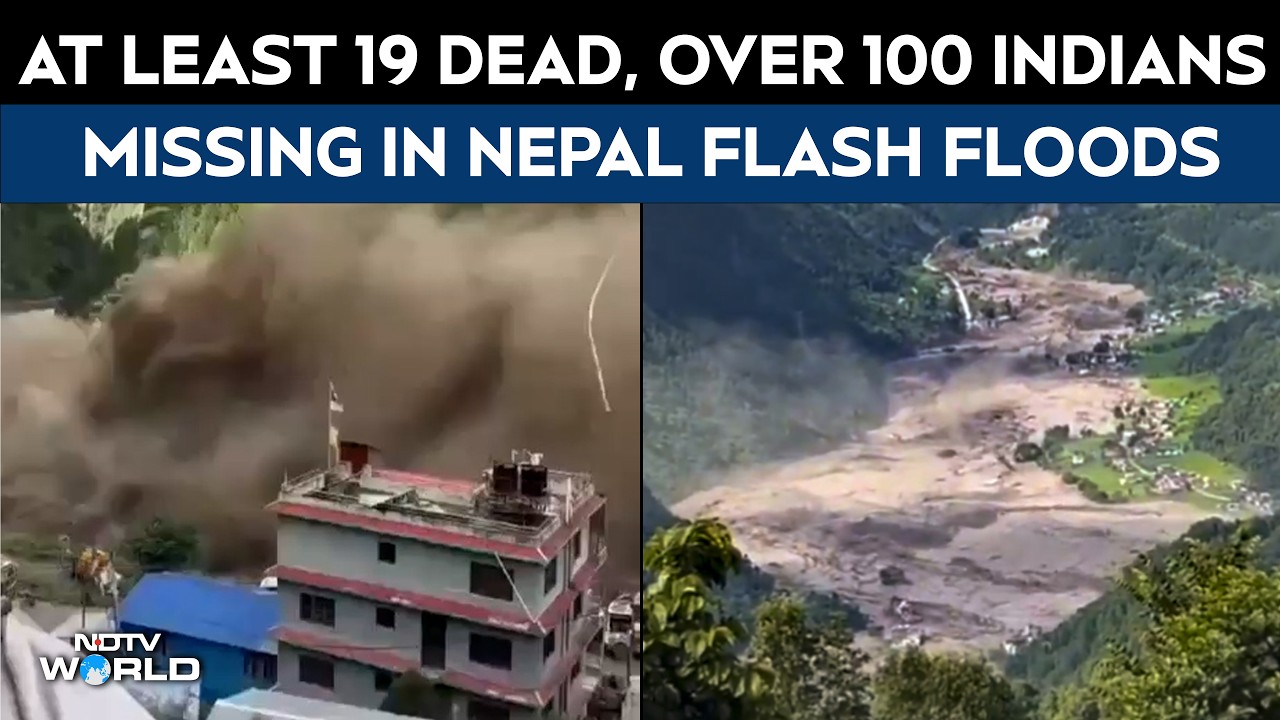
A massive wall of water tore down the Bhote Koshi river valley on a Wednesday morning, slamming into northern Nepal with terrifying speed. Entire villages vanished. Infrastructure projects and border trade routes were reduced to twisted debris. Heavy casualties are feared as rescue teams struggle to reach cut-off zones in Rasuwa, an area north of Kathmandu bordering Tibet.
If you look closely at how these Himalayan disasters play out, a frustrating pattern emerges. This isn't just about bad weather. It is a deadly mix of fragile geography, cross-border data gaps, and a climate crisis reshaping the roof of the world in real time.
The Anatomy of a Himalayan Flash Flood
Unlike standard monsoon flooding that builds up over days, giving communities time to pack bags and move to higher ground, a flash flood in the high mountains strikes without warning.
The disaster in Rasuwa started upstream. Experts point to an ice-rock avalanche or a sudden collapse near glacial systems on the Tibetan side that choked the Lhende Khola and the main river channel before bursting open. When that natural dam failed, millions of gallons of water surged downward through narrow gorges.
- Water levels spiked within minutes, leaving zero evacuation window for villagers or workers.
- Major trade transit points like Timure and Syafrubesi bore the brunt of the kinetic force.
- Hydropower and transmission facilities operated by the Nepal Electricity Authority suffered extensive damage.
Truck drivers, local police posts, and hundreds of tourists found themselves trapped. Communication lines went dead instantly. When cell towers wash away, the first hour of a rescue operation turns into a blind guess.
Why Early Warnings Fail in Border Regions
You might wonder why modern forecasting systems didn't sound the alarm hours before. The hard truth is political and geographical boundaries make early warning exceptionally difficult.
The triggers often originate miles away across the international border in Tibet, where real-time meteorological sharing can be slow or restricted. Nepal's Flood Forecasting Division noted that heavy rainfall within Rasuwa district itself wasn't the primary driver. The water came from across the frontier. By the time satellite imagery picked up anomalous changes or rainfall spikes over the Tibetan plateau, the torrent was already barrelling down toward settlements.
Furthermore, terrain constraints ground rescue efforts immediately. Helicopters cannot easily navigate narrow mountain corridors filled with heavy mist, raging currents, and unstable air currents. Ground crews face blocked roads and washed-out bridges, turning a quick response into a grueling multi-day ordeal.
The Human Cost and the Looming Threat Downstream
The destruction doesn't stay confined to the high peaks. As the Bhote Koshi feeds into the Trishuli and Narayani river systems, the danger ripples across multiple districts downstream, putting regions toward the Indian border on high alert.
Local authorities and disaster management agencies face an overwhelming task. Emergency teams, medical groups, and security personnel have deployed to set up staging grounds, but matching the scale of devastation requires better cross-border infrastructure tracking.
This marks the second consecutive year that severe glacial-related flooding has struck this specific corridor, proving that last year's disasters were not anomalies. As global temperatures continue to climb, glacial lakes expand behind unstable debris dams, increasing the probability of sudden outbursts.
If you live, travel, or work near Himalayan river basins, understanding these risks is essential. Respect river-bank warnings, stay clear of narrow gorges during peak melting months, and push local operators for robust emergency evacuation protocols. The mountains are changing, and our safety measures have to catch up fast.