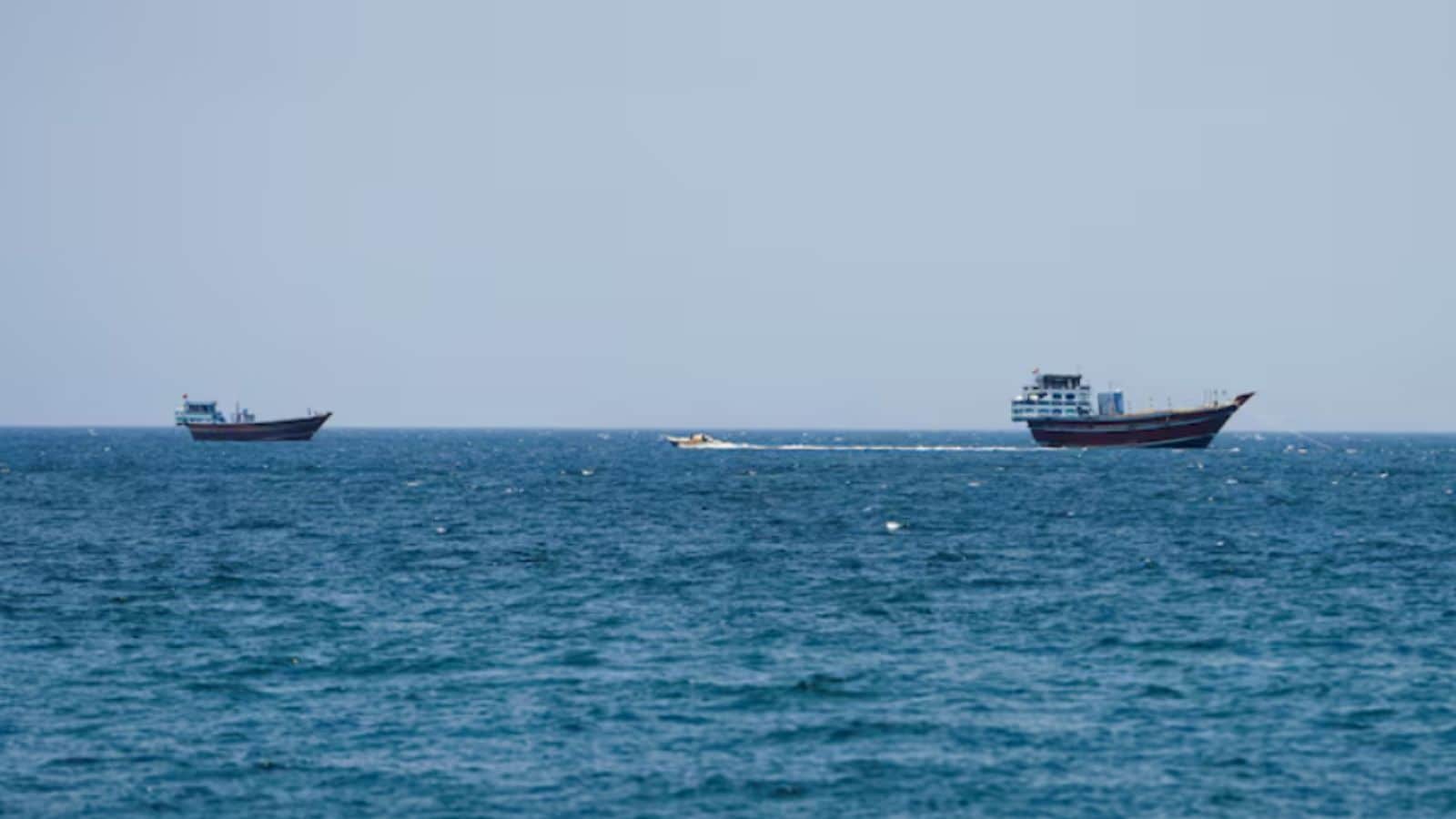
About twenty percent of the world's oil supply moves through a tiny corridor of water that is currently the most contentious piece of geography on earth. When tankers stop moving there, global energy markets panic.
Oman just threw a lifeline to regional diplomacy. A new Gulf-backed proposal aims to let Iran collect voluntary fees for ships navigating the Strait of Hormuz. It sounds like a strange compromise. Honestly, it might be the only realistic way to stop oil tankers from getting caught in the crossfire of the ongoing conflict.
Let's look at what is actually happening behind the scenes and why Washington is ready to push back hard.
The Breaking Point in Global Energy Transit
For months, the vital maritime chokepoint has faced severe disruptions. Following military escalations between regional powers and the United States, Tehran effectively choked off the passage to foreign vessels. Energy shipments plummeted. Shippers scrambled for alternative routes that didn't exist, and insurance premiums skyrocketed.
The United States launched aggressive bombing campaigns to break Iran's physical grip on the waterway. That strategy hit a wall. Military commanders advised leadership that air campaigns alone wouldn't reopen the strait permanently.
Iran wants control. Tehran views supervision of the narrow passage as a matter of sovereignty. Earlier proposals floated eye-watering mandatory charges reaching up to two million dollars per tanker, creating massive friction with consumer nations.
How the Omani Compromise Changes the Math
Oman stepped into the diplomatic vacuum with a clever blueprint. Instead of giving Iran absolute, unilateral authority over the corridor, the plan creates a joint management structure. Oman and Iran control opposite shores of the narrow passage. Sharing administrative duties makes geographic sense.
More importantly, the fees won't be mandatory.
The model copies a framework already used thousands of miles away in Asia. In the Strait of Malacca, countries like Indonesia, Malaysia, and Singapore ask passing commercial vessels to pay voluntary financial contributions. These funds go straight toward critical maritime services:
- Navigation safety updates
- Environmental protection and spill cleanup
- Search and rescue operations
If applied to Hormuz, Iran could frame these collections as service charges rather than extortion tolls. Estimates suggest regional maritime activity could generate tens of billions annually under a structured system. That revenue potential explains why Tehran finds the concept appealing, even if they deny currently begging for new talks.
Washington's Resistance and Legal Hurdles
The White House hates the idea. American officials are demanding an immediate return to the pre-war status quo, where commercial vessels crossed the water completely free of charge.
Washington argues that letting Iran collect cash—voluntary or not—sets a dangerous precedent. Legal experts in the US claim that charging fees for international transit violates established maritime laws protecting open navigation.
President Donald Trump recently paused a heavy bombing campaign after strategic evaluations, expressing cautious optimism about ongoing backchannel talks. Yet, the threat of renewed airstrikes looms large if negotiations break down over this exact issue.
What This Means for Global Markets
If you trade commodities or track fuel prices, you need to watch how this voluntary payment structure evolves. A forced military solution has failed to guarantee safe passage. Diplomacy built around economic incentives might actually work.
Shippers would rather pay a modest, voluntary administrative contribution than risk having their vessels targeted or delayed for weeks. Saudi Arabia and other Gulf neighbors realize that economic stability depends on compromise, not endless aerial bombardment.
The next few weeks will decide whether pragmatic diplomacy wins out over rigid legal definitions of open seas. Keep your eyes on regional foreign ministry updates rather than social media noise. Real solutions are messy, quiet, and happening behind closed doors in Muscat and Tehran.